

Δοκιμαστής ενανθράκωσης: CO₂ μέτρησης ποτών
ΕΝΑ δοκιμαστής ενανθράκωσης είναι ένα ουσιαστικό όργανο για τη μέτρηση της Περιεχόμενο CO₂ στα ποτά, εξασφαλίζοντας συνοχή του προϊόντος, φρεσκάδα και ποιότητα γεύσης. Σε ποτά όπως τα αναψυκτικά, το ανθρακούχο νερό, η μπύρα και τα ποτά που έχουν υποστεί ζύμωση, η σωστή ενανθράκωση επηρεάζει στόμα, υφή και διάρκεια ζωής στο ράφι. Η χρήση ενός ελεγκτή ενανθράκωσης επιτρέπει στους κατασκευαστές ποτών και στις ομάδες ελέγχου ποιότητας να διατηρούν τα πρότυπα παραγωγής, να ελαχιστοποιούν τις ασυνέπειες παρτίδων και να ικανοποιούν τις προσδοκίες των καταναλωτών.
ASTM F1115 και επίπεδα ενανθράκωσης μπύρας
Ο ASTM F1115 πρότυπο παρέχει μια ευρέως αναγνωρισμένη μέθοδο για Μέτρηση του ανθρακικού σε σφραγισμένα δοχεία ποτών, συμπεριλαμβανομένης της μπύρας, των αναψυκτικών και του ανθρακούχου νερού. Το πρότυπο αυτό εξασφαλίζει τον συνεπή και ακριβή προσδιορισμό επίπεδα ενανθράκωσης μπύρας και τη συνολική περιεκτικότητα σε CO₂, η οποία είναι ζωτικής σημασίας για τη διατήρηση της ποιότητας, της γεύσης και της διάρκειας ζωής του προϊόντος.
Βασικές πτυχές του ASTM F1115:
Σκοπός της δοκιμής:
Για την ποσοτικοποίηση των CO₂ όγκος σε δοχείο ποτού.
Για την παρακολούθηση απώλεια ενανθράκωσης κατά την αποθήκευση ή την αποστολή.
Για να εξασφαλιστεί ότι τα ποτά ανταποκρίνονται στις προσδοκίες των καταναλωτών για γεύση, αίσθηση στόματος και αφρισμός.
Διαδικασίες δοκιμής:
Διαδικασία Α: Εργαστηριακή μέθοδος που χρησιμοποιεί ακριβή εξοπλισμό παρακολούθησης της πίεσης και της θερμοκρασίας, ιδανική για Ε&Α και ανάπτυξη προϊόντων.
Διαδικασία Β: Απλοποιημένη μέθοδος με χρήση χειροκίνητων ή αυτοματοποιημένων αναλυτών ενανθράκωσης, κατάλληλη για παραγωγή και ποιοτικός έλεγχος.
Μέτρηση και υπολογισμοί:
Εγγραφές εσωτερική πίεση και θερμοκρασία ποτών.
Υπολογίζει τον όγκο CO₂ χρησιμοποιώντας δεδομένα διαλυτότητας και πίνακες ASTM F1115.
Καθορίζει εάν το ποτό πληροί τις επιθυμητές προδιαγραφές ανθρακικού.
Σημασία για τη μπύρα και τα ανθρακούχα ποτά:
Εξασφαλίζει το σταθερά επίπεδα ενανθράκωσης, αποτρέποντας την παραγωγή επίπεδων ή υπερβολικά ανθρακούχων προϊόντων.
Παρέχει δεδομένα για την ανάπτυξη προϊόντων, βοηθώντας τους παρασκευαστές ποτών να βελτιστοποιήσουν τις συνταγές και τη συσκευασία.
Υποστηρίζει κανονιστική συμμόρφωση και τα εσωτερικά πρότυπα ποιότητας.
Επισκόπηση της διαδικασίας δοκιμής
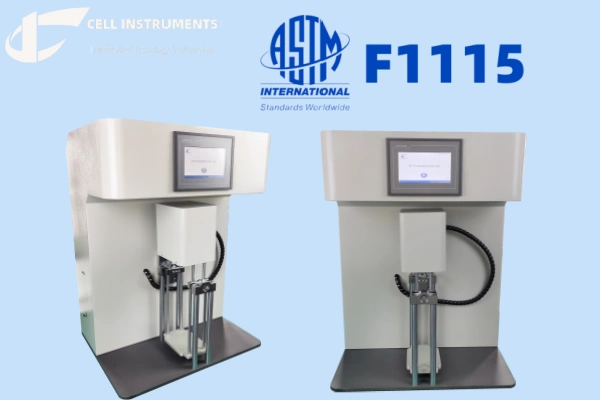
Ο Cell Instruments CLRT-01 βελτιώνει τη μέτρηση του CO₂ μέσω μιας αυτοματοποιημένης και ακριβούς ροής εργασίας:
Αυτόματο τρύπημα καπακιού - Η συσκευή διαπερνά το καπάκι της φιάλης με ελεγχόμενη ταχύτητα, διατηρώντας την εσωτερική πίεση.
Σταθεροποίηση πίεσης - Οι βαλβίδες εξαερισμού ρυθμίζουν την εσωτερική πίεση για να δημιουργήσουν μια βασική γραμμή μέτρησης.
Ανάδευση για ομοιόμορφη κατανομή CO₂ - Η σερβοκίνητη περιστροφή εξασφαλίζει την ομοιόμορφη ανάμειξη του ανθρακικού σε όλο το ποτό.
Καταγραφή δεδομένων σε πραγματικό χρόνο - Οι αισθητήρες υψηλής ανάλυσης καταγράφουν συνεχώς την πίεση (MPa) και τη θερμοκρασία (℃).
Υπολογισμός όγκου CO₂ - Ο ενσωματωμένος αλγόριθμος υπολογίζει αυτόματα τον όγκο ενανθράκωσης και εμφανίζει άμεσα τα αποτελέσματα.
Αυτή η ροή εργασιών εξαλείφει το ανθρώπινο λάθος, μειώνει το χρόνο δοκιμών και εγγυάται επαναλαμβανόμενες, αξιόπιστες μετρήσεις κατάλληλο τόσο για εργαστηριακά όσο και για παραγωγικά περιβάλλοντα.
Υλικό αίτησης
Ο ελεγκτής ενανθράκωσης είναι συμβατός με ένα ευρύ φάσμα ανθρακούχων ποτών:
Αναψυκτικά: Cola, σόδα με λεμόνι και λάιμ, αναψυκτικά με φρούτα
Μπύρα: Εμφιαλωμένη, βαρελίσια, μπύρες, μπίρες, μπύρες craft
Ανθρακούχο νερό: Αρωματισμένο ή σκέτο
Ποτά που έχουν υποστεί ζύμωση & ενεργειακά ποτά: Kombucha, μηλίτης, λειτουργικά ποτά
Ε&Α και παραγωγή: Εργαστήρια διασφάλισης ποιότητας, ερευνητικά κέντρα, εγκαταστάσεις παραγωγής μεγάλου όγκου
Οι δοκιμές εξασφαλίζουν σταθερά επίπεδα CO₂, ακεραιότητα γεύσης και ασφάλεια του προϊόντος για όλους τους τύπους ποτών.
Οφέλη από τη χρήση ενός ελεγκτή ενανθράκωσης
Συνέπεια: Διατηρεί ομοιόμορφη ενανθράκωση σε όλες τις παρτίδες
Αποδοτικότητα: Η αυτοματοποιημένη ροή εργασιών εξοικονομεί εργασία και χρόνο
Ακρίβεια: Οι αισθητήρες υψηλής ανάλυσης παρέχουν ακριβείς μετρήσεις
Ευστροφία: Υποστηρίζει πολλαπλούς τύπους ποτών και μορφές δοχείων
Συμμόρφωση: Πληροί τα πρότυπα ASTM F1115 και τα εσωτερικά πρότυπα ποιότητας
Ο CLRT-01 ελεγκτής ενανθράκωσης δίνει τη δυνατότητα στους κατασκευαστές ποτών να διατηρούν την ποιότητα, να βελτιώνουν τη λειτουργική αποδοτικότητα και να παραδίδουν τέλεια ανθρακούχα ποτά κάθε φορά.
 EL
EL  EN
EN  ES
ES  DE
DE  FR
FR  IT
IT  AR
AR  KO
KO  JA
JA  RU
RU  PT
PT  VI
VI  ID
ID  BG
BG  CS
CS  DA
DA  ET
ET  FI
FI  HE
HE  HU
HU  LT
LT  LV
LV  NL
NL  PL
PL  RO
RO  SK
SK  SV
SV  SL
SL  UK
UK  TR
TR