
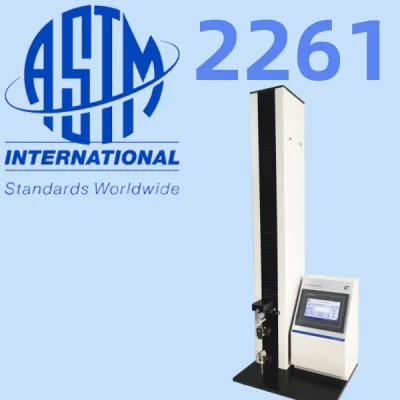
Δύναμη σχισίματος της γλώσσας: Διασφάλιση της ανθεκτικότητας του υφάσματος
Δύναμη σχισίματος της γλώσσας είναι μια κρίσιμη ιδιότητα που καθορίζει πόσο καλά ένα ύφασμα μπορεί να αντισταθεί στο σχίσιμο όταν υποβάλλεται σε εξωτερικές δυνάμεις. Το Δοκιμή ASTM D2261 χρησιμοποιεί το μονό σχίσιμο (γλώσσα) διαδικασία, κατά την οποία ένα δοκίμιο κόβεται σε σχήμα δύο ποδιών και εφαρμόζεται δύναμη για τη διάδοση μιας ρήξης. Στη συνέχεια καταγράφεται η δύναμη που απαιτείται για τη συνέχιση του σχισίματος, παρέχοντας πολύτιμα δεδομένα σχετικά με την αντοχή του υφάσματος και την καταλληλότητα για συγκεκριμένες εφαρμογές.
Αυτό το πρότυπο είναι απαραίτητο για τους κατασκευαστές για την αξιολόγηση της αντοχής σε σχίσιμο ενός ευρέος φάσματος υφασμάτων, συμπεριλαμβανομένων των υφαντών υφασμάτων, των πλεκτών υφασμάτων και των υλικών που έχουν υποστεί επεξεργασία με ρητίνη. Εφαρμόζεται επίσης τόσο σε υγρές όσο και σε ξηρές συνθήκες δοκιμής, επιτρέποντας την ολοκληρωμένη ανάλυση σε πραγματικές συνθήκες.
Η διαδικασία δοκιμής ASTM D2261
Ο ASTM D2261 πρότυπο περιγράφει μια μέθοδο που περιλαμβάνει διάφορα βασικά βήματα:
Προετοιμασία δείγματος: Ένα ορθογώνιο δείγμα υφάσματος κόβεται για να σχηματίσει σχήμα δύο ποδιών. Το ένα πόδι του δείγματος συγκρατείται στην άνω σιαγόνα και το άλλο στην κάτω σιαγόνα ενός Μηχανή δοκιμών εφελκυσμού τύπου CRE.
Εκτέλεση δοκιμής: Ο διαχωρισμός των σιαγόνων της μηχανής αυξάνεται με ελεγχόμενο ρυθμό, ασκώντας δύναμη για τη διάδοση του σχίσματος. Η δύναμη καταγράφεται συνεχώς καθ' όλη τη διάρκεια της δοκιμής.
Μέτρηση Δύναμης: Το δύναμη μιας κορυφής ή το μέσος όρος των πέντε υψηλότερων μέγιστων δυνάμεων κατά τη διάρκεια της διαδικασίας σχισίματος καταγράφονται για τον υπολογισμό της αντοχής του υφάσματος στο σχίσιμο της γλώσσας.
Ανάλυση Δεδομένων: Οι τιμές που λαμβάνονται αναλύονται και προσδιορίζεται η ελάχιστη δύναμη που απαιτείται για τη διάδοση του σχίσματος. Αυτά τα σημεία δεδομένων αντικατοπτρίζουν την αντοχή του υφάσματος στο σχίσιμο υπό τυπική χρήση.
Γιατί η αντοχή της γλώσσας στο σχίσιμο είναι κρίσιμη
Δοκιμές αντοχή της γλώσσας στο σχίσιμο είναι απαραίτητη για διάφορους λόγους:
- Αξιολόγηση αντοχής: Παρέχει πληροφορίες σχετικά με το πόσο καλά το ύφασμα θα λειτουργεί υπό πίεση, πράγμα ιδιαίτερα σημαντικό για τα υφάσματα που χρησιμοποιούνται σε κρίσιμες για την ασφάλεια εφαρμογές, όπως οι αερόσακοι και ο εξοπλισμός ασφαλείας.
- Ποιοτικός έλεγχος: Οι κατασκευαστές χρησιμοποιούν αυτό το τεστ για να εξασφαλίσουν σταθερή απόδοση του υφάσματος και να ικανοποιήσουν τις προσδοκίες των πελατών για αντοχή και αξιοπιστία.
- Κόστους Αποδοτικότητας: Με τον έγκαιρο εντοπισμό των ασθενέστερων υφασμάτων, οι κατασκευαστές μπορούν να αποφύγουν δαπανηρά ελαττώματα και επιστροφές, διασφαλίζοντας ότι στην παραγωγή χρησιμοποιούνται μόνο τα υψηλότερης ποιότητας υλικά.
Ο ρόλος των μηχανημάτων δοκιμών τύπου CRE στο ASTM D2261
Μηχανές δοκιμών εφελκυσμού τύπου CRE είναι ο προτιμώμενος εξοπλισμός για τις δοκιμές ASTM D2261. Αυτά τα μηχανήματα προσφέρουν υψηλή ακρίβεια και επαναληψιμότητα, καθιστώντας τα ιδανικά για τη δοκιμή της αντοχής σε σχίσιμο του υφάσματος. Επιτρέπουν ελεγχόμενες συνθήκες δοκιμής, εξασφαλίζοντας συνεπή και αξιόπιστα αποτελέσματα. Τα συστήματα συλλογής δεδομένων του μηχανήματος - όπως αυτόματες συσκευές καταγραφής διαγραμμάτων ή συστήματα βασισμένα σε μικροεπεξεργαστές-βοηθούν στην ακριβή καταγραφή της δύναμης κατά τη διάρκεια της διαδικασίας σχισίματος, παρέχοντας πολύτιμες πληροφορίες για τον ποιοτικό έλεγχο.
Συστάσεις για δοκιμές υφάσματος με Cell Instruments
Στο Κυτταρικά όργανα, ειδικευόμαστε στην παροχή προηγμένων μηχανές δοκιμών εφελκυσμού σχεδιασμένο για να ανταποκρίνεται στις ανάγκες των ASTM D2261 δοκιμές. Το μας μηχανές εφελκυσμού προσφέρουν την ακρίβεια και την ευελιξία που απαιτούνται για τη διεξαγωγή ακριβών δοκιμών αντοχής σε σχίσιμο γλώσσας σε μια ποικιλία υφασμάτων, εξασφαλίζοντας τη συμμόρφωση με τα πρότυπα του κλάδου. Είτε δοκιμάζετε υφασμένα, πλεκτά ή επεξεργασμένα με ρητίνη υφάσματα, τα μηχανήματά μας είναι προσαρμοσμένα ώστε να παρέχουν συνεπή και αξιόπιστα αποτελέσματα που συμβάλλουν στη βελτιστοποίηση των διαδικασιών ελέγχου ποιότητας.
Σύναψη
Ο ASTM D2261 πρότυπο είναι ένα ουσιαστικό εργαλείο για την αξιολόγηση της αντοχή της γλώσσας στο σχίσιμο των υφασμάτων, παρέχοντας πολύτιμα δεδομένα σχετικά με την αντοχή και την απόδοση των υφασμάτων. Για τους κατασκευαστές κλωστοϋφαντουργικών προϊόντων, η δοκιμή αυτή είναι ζωτικής σημασίας για να διασφαλιστεί ότι τα προϊόντα τους πληρούν τα απαιτούμενα πρότυπα για την αντοχή στο σχίσιμο, ιδίως σε εφαρμογές όπου η ακεραιότητα του υφάσματος είναι κρίσιμη. Με τον κατάλληλο εξοπλισμό δοκιμών, όπως αυτοί που προσφέρει η Κυτταρικά όργανα, οι κατασκευαστές μπορούν να διατηρήσουν υψηλή ποιότητα και να διασφαλίσουν ότι τα υφάσματά τους λειτουργούν αξιόπιστα σε πραγματικές συνθήκες.
Συχνές ερωτήσεις
Q1: Τι είναι το ASTM D2261;
Α1: ASTM D2261 είναι η τυποποιημένη μέθοδος δοκιμής που χρησιμοποιείται για τη μέτρηση της αντοχή της γλώσσας στο σχίσιμο υφασμάτων. Η δοκιμή χρησιμοποιεί το μονό σχίσιμο (γλώσσα) διαδικασία, κατά την οποία ένα δείγμα υφάσματος υποβάλλεται σε δύναμη έως ότου διαδοθεί ένα σχίσιμο. Η δύναμη που απαιτείται για τη συνέχιση του σχισίματος καταγράφεται και αναλύεται για να εκτιμηθεί η αντοχή του υφάσματος στο σχίσιμο.
Q2: Γιατί είναι σημαντική η αντοχή της γλώσσας στο σχίσιμο στα κλωστοϋφαντουργικά προϊόντα;
Α2: Δύναμη σχισίματος της γλώσσας είναι κρίσιμος παράγοντας για τον προσδιορισμό του πόσο καλά ένα ύφασμα μπορεί να αντέξει τις δυνάμεις σχισίματος, κάτι που είναι ιδιαίτερα σημαντικό για τα υλικά που χρησιμοποιούνται σε κρίσιμες για την ασφάλεια εφαρμογές, όπως οι αερόσακοι και ο προστατευτικός ρουχισμός. Βοηθά στη διασφάλιση της ανθεκτικότητας και της αξιοπιστίας των υφασμάτων, καθιστώντας την απαραίτητη δοκιμή για τους κατασκευαστές προκειμένου να διατηρήσουν την ποιότητα των προϊόντων.
Q3: Πώς διεξάγεται η δοκιμή ASTM D2261;
Α3: Στο ASTM D2261 δοκιμή, ένα δείγμα υφάσματος κόβεται σε σχήμα δύο ποδιών και τοποθετείται σε ένα Μηχανή δοκιμών εφελκυσμού τύπου CRE. Το μηχάνημα εφαρμόζει δύναμη για να διαδώσει ένα σχίσιμο και μετράται η δύναμη που απαιτείται για τη συνέχιση του σχίσματος. Η δοκιμή μπορεί να διεξαχθεί τόσο σε υγρά όσο και σε στεγνά δείγματα, παρέχοντας πολύτιμα δεδομένα σχετικά με την απόδοση του υφάσματος υπό διαφορετικές συνθήκες.
Q4: Ποιος εξοπλισμός χρησιμοποιείται στη δοκιμή ASTM D2261;
Α4: Το Μηχανή δοκιμών εφελκυσμού τύπου CRE είναι ο προτιμώμενος εξοπλισμός για ASTM D2261. Αυτό το μηχάνημα παρέχει ακριβή έλεγχο της δύναμης που εφαρμόζεται στο δείγμα υφάσματος, εξασφαλίζοντας ακριβή και επαναλαμβανόμενα αποτελέσματα. Περιλαμβάνει επίσης συστήματα συλλογής δεδομένων, όπως αυτόματες συσκευές καταγραφής διαγραμμάτων ή συστήματα βασισμένα σε μικροεπεξεργαστές, για την καταγραφή της δύναμης κατά τη διάρκεια της διαδικασίας σχισίματος.
Q5: Πώς υπολογίζω την αντοχή σε σχίσιμο κατά ASTM D2261;
Α5: Η αντοχή σε σχίσιμο υπολογίζεται με δύο μεθόδους:
- Δύναμη μονής αιχμής: Η μεγαλύτερη δύναμη που απαιτείται για την έναρξη και τη συνέχιση του σχίσματος.
- Μέσος όρος των πέντε υψηλότερων κορυφών: Η μέση δύναμη από τα πέντε υψηλότερα σημεία κατά τη διάρκεια της διαδικασίας σχισίματος.
- Αυτοί οι υπολογισμοί βοηθούν στον προσδιορισμό της απόδοσης και της ανθεκτικότητας του υφάσματος υπό πίεση.
Q6: Πώς υποστηρίζει το Cell Instruments τις δοκιμές ASTM D2261;
A6: Κυτταρικά όργανα προσφέρει υψηλής ακρίβειας μηχανές δοκιμών εφελκυσμού σχεδιασμένο για να ανταποκρίνεται στις απαιτήσεις των ASTM D2261. Τα μηχανήματά μας είναι εξοπλισμένα με προηγμένα συστήματα συλλογής δεδομένων, εξασφαλίζοντας ακριβή και αξιόπιστα αποτελέσματα για αντοχή της γλώσσας στο σχίσιμο δοκιμές. Είτε πρόκειται για δοκιμές υφασμένων, πλεκτών ή επεξεργασμένων με ρητίνη υφασμάτων, τα μηχανήματά μας παρέχουν την ακρίβεια που απαιτείται για τον ποιοτικό έλεγχο και τις δοκιμές υλικών.
 EL
EL  EN
EN  ES
ES  DE
DE  FR
FR  IT
IT  AR
AR  KO
KO  JA
JA  RU
RU  PT
PT  VI
VI  ID
ID  BG
BG  CS
CS  DA
DA  ET
ET  FI
FI  HE
HE  HU
HU  LT
LT  LV
LV  NL
NL  PL
PL  RO
RO  SK
SK  SV
SV  SL
SL  UK
UK  TR
TR  BE
BE  BS
BS  HI
HI  HR
HR  KK
KK  ML
ML  MY
MY  NN
NN  SR
SR  TA
TA  UZ
UZ  SQ
SQ