

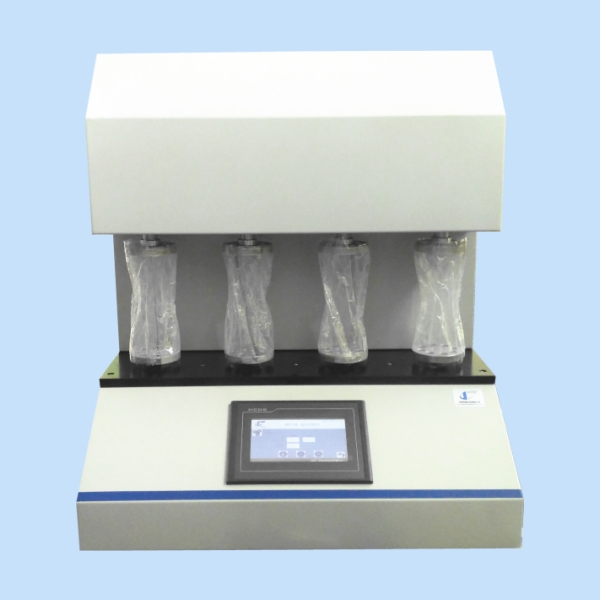
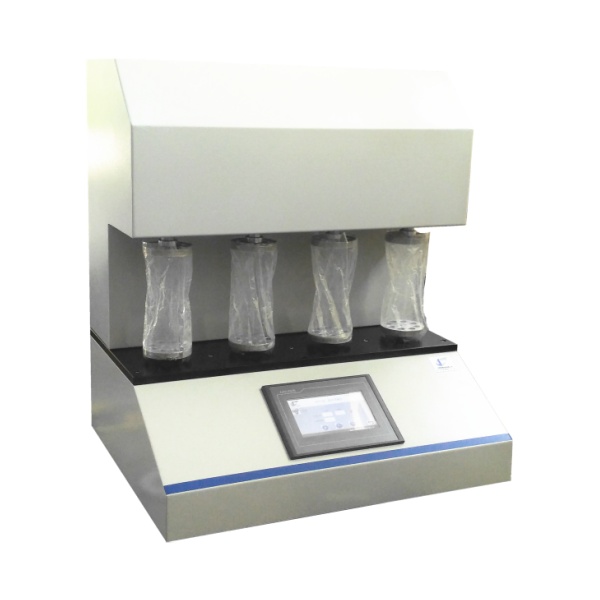
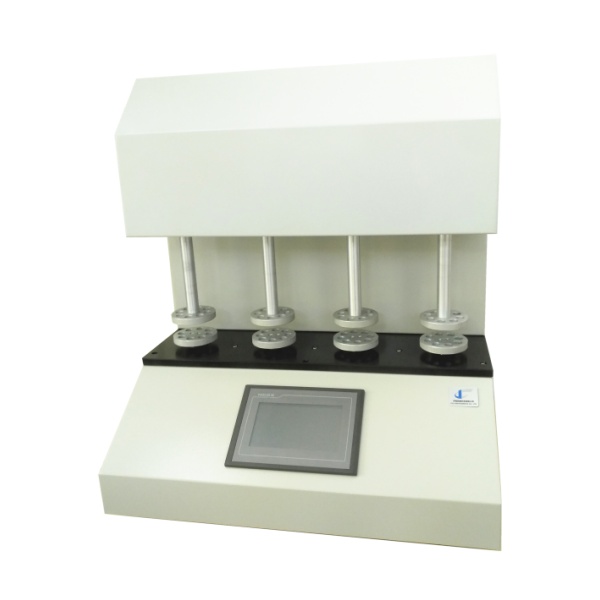
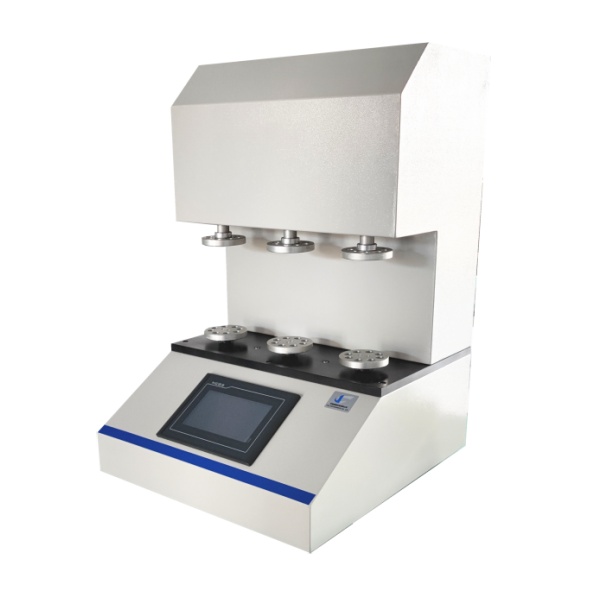
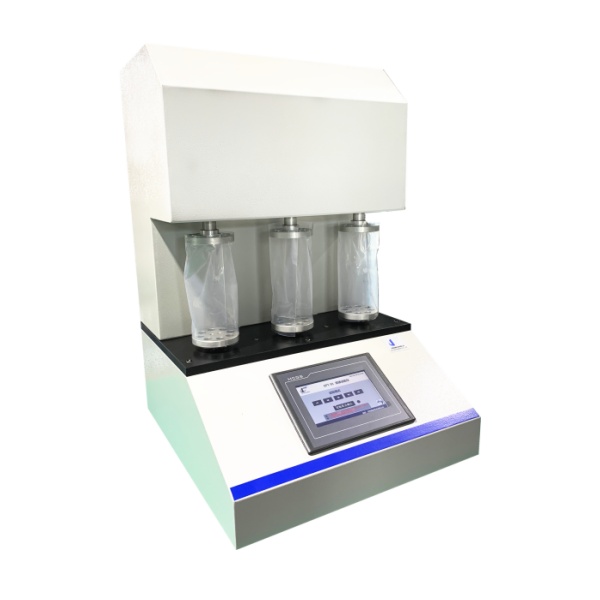
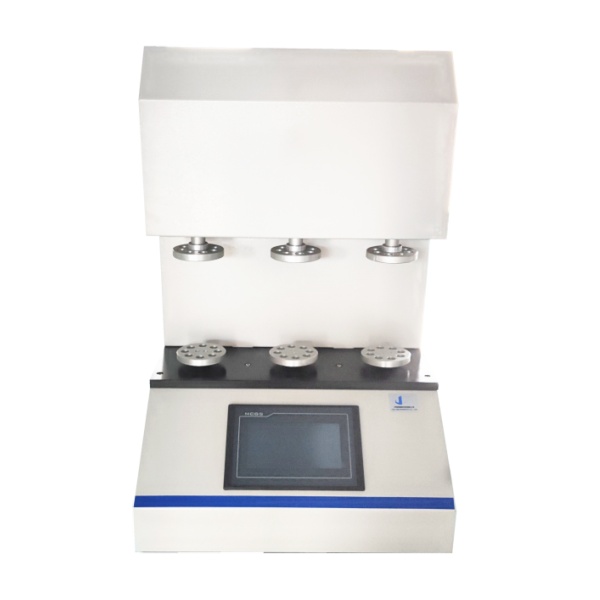
GFT Gelbo Flex Tester
- Standard: ASTM F392
- Gyártó: Cell Instruments
- Alkalmazások: Csomagolóanyagok, orvosi eszközök anyagai, gyógyszerészeti vizsgálatok, ragasztók, textíliák, papír- és kartontartályok stb.
- Testreszabás: Különleges tesztelési követelményekhez és automatizálási átalakításokhoz érhető el
A Gelbo Flex Tester bevezetése
A Gelbo Flex Tester egy olyan speciális eszköz, amelyet az alábbiak értékelésére terveztek hajlítási tartósság és a rugalmas anyagok, például a barrierfóliák, laminátumok és bevont szövetek mechanikai integritása. A valós csavarodás és nyomó deformáció szimulálásával ez a tesztelő kritikus betekintést nyújt a csomagolóanyagok és a bevonatos anyagok ellenállóképességébe. lyukképződés, repedés, és a gát tulajdonságainak romlása. Az olyan szabványok, mint ASTM F392 és ISO 7854 meghatározza a pontosságot, megismételhetőséget és nemzetközi összehasonlíthatóságot biztosító vizsgálati módszereket.
A Gelbo Flex Tester, néha úgy is nevezik, hogy rumplihajlító tesztelő vagy flex teszter, úgy működik, hogy a próbadarabokat egyidejűleg csavaró és nyomó mozgásoknak teszi ki. Ez a kombinált hatás reprodukálja a rugalmas csomagolóanyagok töltés, lezárás, szállítás és tárolás során fellépő mechanikai igénybevételét.
A vizsgálati módszer, közismert nevén a Gelbo vizsgálati módszer, értékeli az anyag azon képességét, hogy ciklikus deformáció esetén is képes-e megőrizni integritását. Azok az anyagok, amelyek nem felelnek meg ezen a teszten, gyakran mikroszkopikus lyukakat vagy repedéseket képeznek, amelyek veszélyeztetik a csomagolás oxigén-, nedvesség- vagy gázátbocsátó képességét.
A Gelbo Flex és a kapcsolódó szabványok alapelvei
Két elsődleges nemzetközi szabvány szabályozza a hajlítás tartósságának értékelését: ASTM F392 és ISO 7854.
ASTM F392, a címe Szabványos gyakorlat a flexibilis záróanyagok kondicionálására a rugalmas tartósság érdekében, meghatározza a rugalmas csomagolóanyagok hajlítás okozta lyukakkal és a barrier hibákkal szembeni ellenállóképességének értékelésére szolgáló vizsgálati feltételeket. Ebben a módszerben a próbadarabokat ismételt hajlításnak vetik alá a következő értékek mellett 45 ciklus percenként, amely magában foglal egy 440°-os csavarás kombinálva egy 65 mm vízszintes mozgás. A vizsgálatot szabványos körülmények között végzik 23 ± 2°C és 50 ± 5% relatív páratartalom. A kívánt kondicionálási szinttől függően a vizsgálati ciklusok a következők lehetnek 20-2700, amelyek megfelelnek a következő szinteknek A-tól E-ig.
ISO 7854, Gumi- vagy műanyaggal bevont szövetek - A hajlítással szembeni ellenállás meghatározása, a hajlítóvizsgálat három módszerét határozza meg. C módszer, az úgynevezett gyűrődési/hajlítási módszer, nagyon hasonlít a Gelbo-elvhez. Itt egy hengeres mintadarabot a következőknek tesznek ki oszcilláló csavarás és axiális összenyomás, a valós életben előforduló hajlítási igénybevétel szimulálása bevonatos szövetek, orvosi anyagok és műszaki textíliák esetében.
Ezek a szabványok együttesen a Gelbo flex eljárást a globális viszonyítási pontként határozzák meg a következőkre vonatkozóan hajlítási tartóssági vizsgálat.
Hogyan működik a Gelbo Flex Tester
A Gelbo Flex Tester (például a GFT Flex tartóssági tesztelő a Cell Instruments) nagy pontossággal működik az ASTM és ISO hajlító mozgások reprodukálása érdekében.
- Minta előkészítés: A standard minták 200 × 280 mm, vágás mind gépi, mind keresztirányban.
- Szerelés: A mintákat a vizsgálógép tüskéire szorítják vagy ragasztják, hengeres alakot alkotva az egyidejű csavarás és összenyomás érdekében.
- Hajlítási ciklus: A tesztelő végrehajt egy 440°-os csavarás az első 90 mm-es löket alatt, majd egy 65 mm lineáris tömörítés, következetesen 45 ciklus percenként.
- Mód kiválasztása: A felhasználók választhatnak a következők közül öt programozható vizsgálati mód (A-E) a különböző anyagtípusoknak vagy vizsgálati céloknak megfelelően.
- Eredményértékelés: Kondicionálás után a mintadarabokat tűlyukak, repedések vagy a barrier degradációja szempontjából vizsgálják meg OTR (oxigén átviteli sebesség), WVTR (vízgőz-átbocsátási sebesség), vagy GTR tesztek.
Ez az ellenőrzött folyamat lehetővé teszi a laboratóriumok és a minőségellenőrző csoportok számára, hogy számszerűsítsék egy anyag hajlítási ellenállás és megjósolni a valós mechanikai igénybevétel alatti teljesítményét.
Főbb jellemzők és fő paraméterek
A GFT Gelbo Flex Tester sorozat a Cell Instruments fejlett technológiát kínál, amelyet nagy pontosságra és könnyű használatra terveztek:
- PLC vezérlés és érintőképernyős interfész - Biztosítja a pontos mozgásvezérlést, a felhasználóbarát működést és az adatok megismételhetőségét.
- Több tesztállomás - Elérhető három vagy négy állomás párhuzamos tesztelés és összehasonlító elemzés céljából.
- Programozható vizsgálati feltételek - Támogatja az ASTM F392 A-E üzemmódokat a sokoldalú teszteléshez a gyors szűréstől (20 ciklus) a tartóssági értékelésig (2700 ciklus).
- Tartós mechanikus kialakítás - Hosszú távú stabilitás és az alábbiaknak való megfelelés érdekében tervezték ASTM F392 és ISO 7854 szabványoknak.
- Fokozott adatmegbízhatóság - Támogatja a teszt utáni értékelést akadály integritása, lyukak kialakulása és a mechanikai szilárdság változása.
| GFT Gelbo Flex tartóssági tesztelő | ||
| Paraméter | GFT-02 modell | GFT-01 modell |
| Flex szög | 440° (90 mm) vagy 400° (80 mm) | |
| Kapacitás | 3,5 N.m | 2,5 Nm |
| Vízszintes ütés | 155 mm vagy 80 mm | |
| Állomások | 3 | 4 |
| Minta mérete | 280 mm x 200 mm | |
| Hatalom | 110-220V | |
A Gelbo Flex tesztelés alkalmazásai
Gelbo flex tesztelés alapvető fontosságú azokban az iparágakban, ahol a rugalmas anyagoknak meg kell őrizniük a barrier integritását és esztétikai minőségét az ismételt kezelés vagy mechanikai igénybevétel után is. A legfontosabb alkalmazási területek a következők:
- Rugalmas csomagolás élelmiszerek, gyógyszerek és orvostechnikai eszközök esetében
- Bevont szövetek és fóliák ipari, textilipari és kültéri felhasználásra
- Ragasztólaminok és kompozit szerkezetek
- Minőségellenőrzés a oldalon. K+F laboratóriumok és tanúsító ügynökségek
A gyenge pontok korai felismerésével a gyártók javíthatják az anyagösszetételt, a bevonattechnológiát és a laminálási folyamatokat.
GYIK
V: A Cell Instruments Gelbo Flex Tester a precíziós tervezés és az innovatív tervezési jellemzők egyedülálló keverékével büszkélkedhet. Az intuitív felhasználói felülettől a fejlett automatizálási képességekig minden szempontot aprólékosan kidolgoztak a teljesítmény és a felhasználói élmény optimalizálása érdekében. Ezen túlmenően az anyagok és iparágak széles skálájával való kompatibilitása sokoldalú megoldásként különbözteti meg a rugalmas tesztelési igényekhez.
V: Az anyagok szigorú rugalmassági tesztelésének alávetésével a rugalmassági tartósság-tesztelő segít azonosítani a gyenge pontokat és a lehetséges meghibásodási pontokat a fejlesztési folyamat korai szakaszában. Ez a proaktív megközelítés lehetővé teszi a gyártók számára, hogy még azelőtt kezeljék a problémákat, hogy azok súlyosbodnának, ami rugalmasabb, megbízhatóbb és végső soron jobb minőségű termékeket eredményez.
V: Abszolút! A Gelbo Flex Tester a mintaméretek és -formák széles skálájához készült, rugalmasságot és sokoldalúságot kínálva a tesztelés során. Akár kicsi, kényes fóliákkal, akár nagyobb, terjedelmesebb anyagokkal dolgozik, tesztelőnk könnyedén alkalmazkodik az Ön speciális vizsgálati követelményeihez.
V: A flexibilis tartóssági teszternél a precizitás a legfontosabb. Az aprólékos kalibráció és a robusztus felépítés révén biztosítjuk, hogy minden teszt következetes, megbízható eredményeket hozzon. Ezen túlmenően tesztelőnket úgy tervezték, hogy minimalizálja a teszteredményeket befolyásoló külső tényezőket, tovább javítva a pontosságot és az ismételhetőséget.
V: A Cell Instrumentsnél az ügyfelek elégedettségét és támogatását helyezzük előtérbe. Elkötelezett technikai támogatási csapatunk készséggel áll rendelkezésére, hogy segítséget nyújtson a felhasználóknak az esetlegesen felmerülő kérdések, aggályok vagy technikai kihívások esetén. Akár segítségre van szüksége a beállításhoz, kalibráláshoz vagy hibaelhárításhoz, szakértőink azonnali és hatékony támogatást nyújtanak a tesztelési folyamatok zökkenőmentes lebonyolításához.
Referencia
ASTM F392 Szabványos gyakorlat a flexibilis záróanyagok kondicionálására a rugalmas tartósság érdekében
 HU
HU  EN
EN  ES
ES  DE
DE  FR
FR  IT
IT  AR
AR  KO
KO  JA
JA  RU
RU  PT
PT  VI
VI  ID
ID  BG
BG  CS
CS  DA
DA  EL
EL  ET
ET  FI
FI  HE
HE  LT
LT  LV
LV  NL
NL  PL
PL  RO
RO  SK
SK  SV
SV  SL
SL  UK
UK  TR
TR