

index puncture resistance of geosynthetics
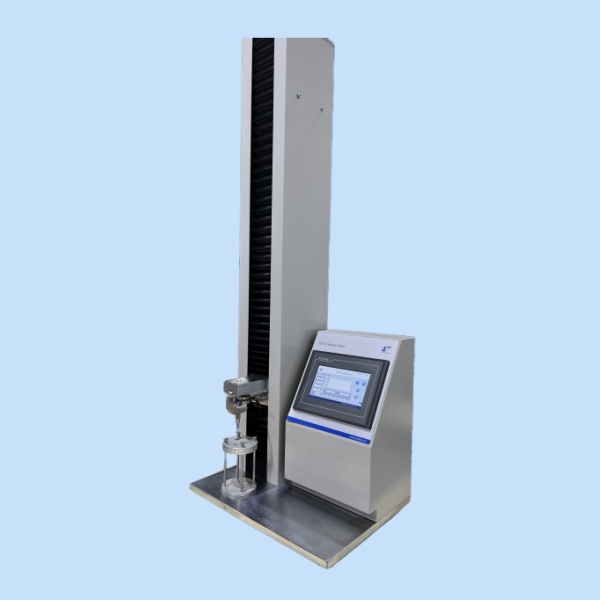
Itu index puncture resistance of geosynthetics is a critical property that determines the material’s ability to withstand localized pressure or penetration by sharp objects. In civil engineering, environmental protection, and geotechnical applications, geosynthetics such as geomembranes, geotextiles, and composite liners must maintain integrity under various stress conditions. Evaluating puncture resistance helps ensure product performance, durability, and safety in real-world conditions.
To achieve consistent and comparable results, the ASTM D4833 Standard Test Method for Index Puncture Resistance of Geomembranes and Related Products provides a standardized procedure for assessing puncture strength under controlled laboratory conditions.
Importance of Index Puncture Resistance of Geosynthetics
Geosynthetics play a vital role in applications such as landfill liners, road stabilization, erosion control, and fluid containment. These materials are frequently exposed to pressure from soil particles, construction equipment, or embedded stones. A high index puncture resistance of geosynthetics ensures that the membrane or fabric can resist puncturing forces, preventing leakage, contamination, or structural failure.
This property also serves as a quality control index, allowing manufacturers and quality inspectors to compare different products and monitor consistency in production. Since field conditions can vary greatly, index testing provides a reliable baseline for material selection and design verification.
ASTM D4833 - Puncture Resistance Test of Geosynthetics
Itu puncture resistance test of geosynthetics outlined in ASTM D4833 is an index test designed to measure the maximum force required to puncture a geosynthetic sample. The procedure involves clamping a circular specimen between two rigid plates, leaving a central area unsupported. A solid steel rod, attached to a tensile testing machine, presses into the center of the specimen until rupture occurs.
Itu maximum force recorded during this process represents the puncture resistance value. According to the standard, the test speed should be maintained at 300 ± 10 mm/min to ensure uniformity. For composite geomembranes, where two layers may behave differently, a double peak can appear in the force-displacement curve—the initial rupture value should be reported even if a secondary peak is higher.
Factors Affecting Geosynthetics Puncture Strength Test Results
Itu geosynthetics puncture strength test results can be influenced by several factors, including:
- Material structure and thickness: Thicker geomembranes typically exhibit higher puncture resistance.
- Temperature and humidity: Environmental conditions can alter material flexibility and test consistency.
- Specimen clamping and alignment: Proper sample placement ensures accurate and reproducible measurements.
- Testing machine precision: The sensitivity and calibration of the load cell directly affect data reliability.
Because of these factors, laboratories and manufacturers should use high-precision tensile testers that meet ASTM D4833 specifications.
Reliable Testing with Cell Instruments’ Tensile Tester
For accurate geosynthetics puncture test results, Cell Instruments provides a range of tensile testers specifically designed for material strength and puncture evaluations. Their advanced systems feature:
- High load accuracy for consistent puncture resistance measurement.
- Flexible fixture configurations for testing geomembranes, geotextiles, and composite layers.
- Automatic data acquisition and analysis to ensure compliance with ASTM D4833 and other international standards.
Dengan menggunakan Cell Instruments tensile tester, laboratories and manufacturers can obtain repeatable, traceable, and standard-compliant data, supporting product certification and quality assurance.
Tanya Jawab Umum
1. What is the purpose of the index puncture resistance test of geosynthetics?
The test determines the maximum force required to puncture a geosynthetic material, helping assess its durability and mechanical strength under localized pressure.
2. Which standard governs the puncture resistance test of geosynthetics?
Itu ASTM D4833 Standard Test Method defines the procedures, apparatus, and testing conditions for determining index puncture resistance.
3. What types of materials can be tested under ASTM D4833?
It applies to geomembranes, geotextiles, composite liners, and related geosynthetic products used in civil and environmental engineering applications.
4. Why use a tensile tester for the geosynthetics puncture strength test?
A penguji tarik provides controlled loading conditions, accurate force measurement, and consistent test speeds, ensuring compliance with ASTM D4833 and reproducible results.
5. How does Cell Instruments support puncture resistance testing?
Instrumen Sel offers advanced tensile testing systems designed to perform ASTM D4833 tests with high precision, automated data capture, and configurable fixtures for different geosynthetic types.
Contact Us Get Geosynthetics Index Puncture Resistance Solution
Itu index puncture resistance of geosynthetics is a vital parameter in ensuring the mechanical integrity and service performance of geomembranes and related materials. Following ASTM D4833 enables standardized, reproducible results that help manufacturers and engineers make informed decisions.
 ID
ID  EN
EN  ES
ES  DE
DE  FR
FR  IT
IT  AR
AR  KO
KO  JA
JA  RU
RU  PT
PT  VI
VI  BE
BE  BG
BG  BS
BS  CS
CS  DA
DA  EL
EL  ET
ET  FI
FI  HE
HE  HI
HI  HR
HR  HU
HU  KK
KK  LT
LT  LV
LV  ML
ML  MY
MY  NN
NN  NL
NL  PL
PL  RO
RO  SK
SK  SR
SR  SV
SV  TA
TA  SL
SL  UK
UK  UZ
UZ  TR
TR  SQ
SQ