

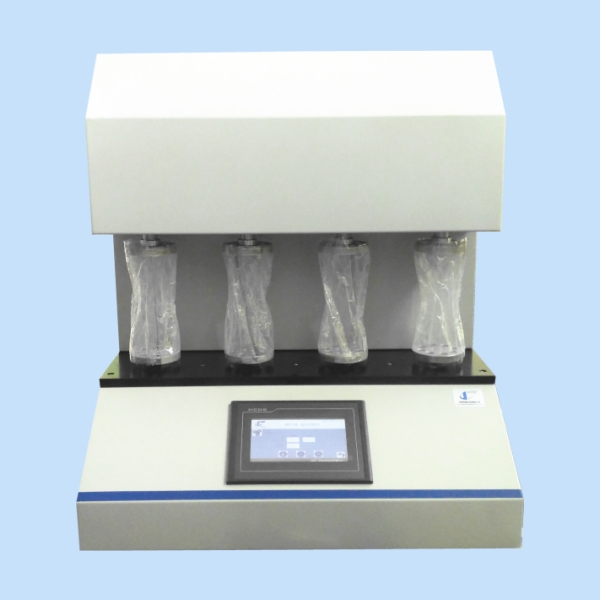
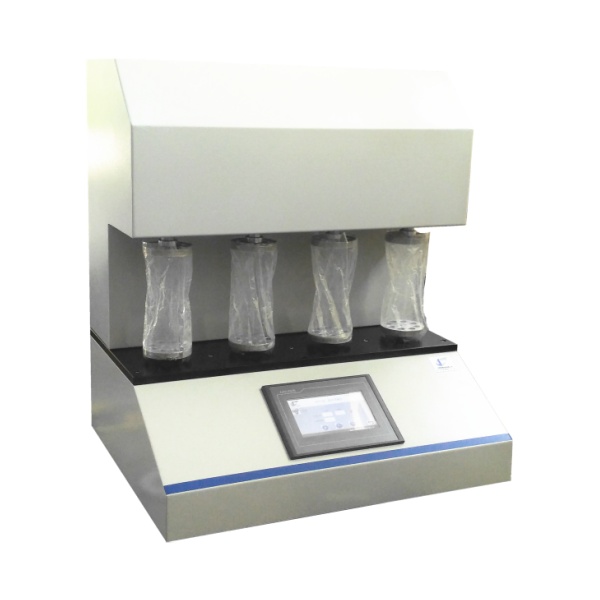
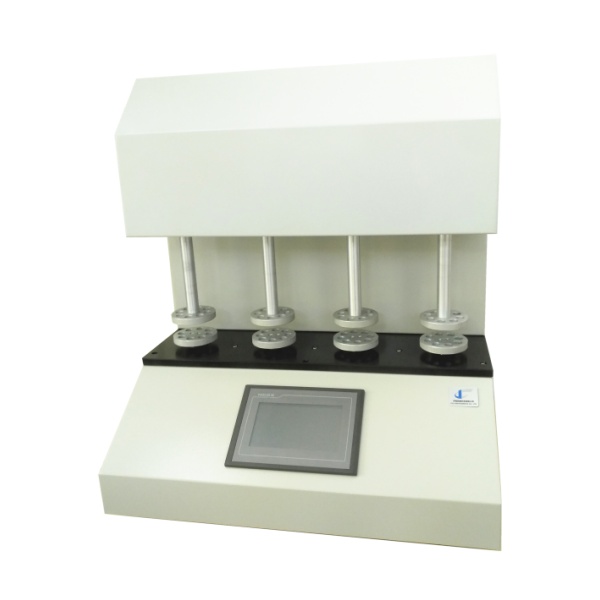
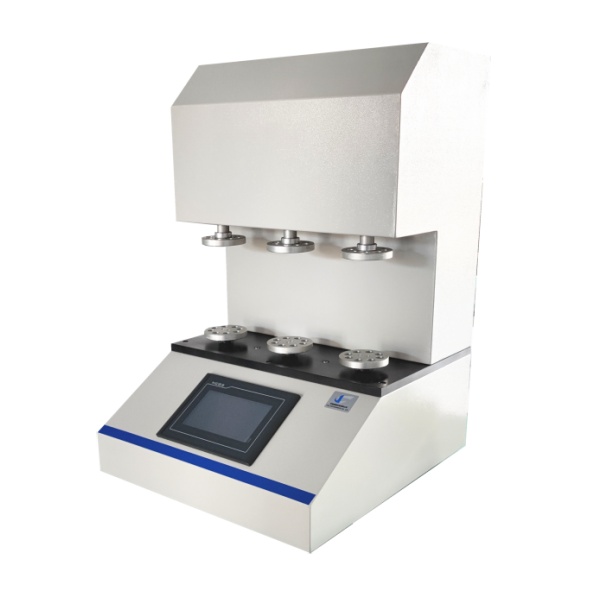
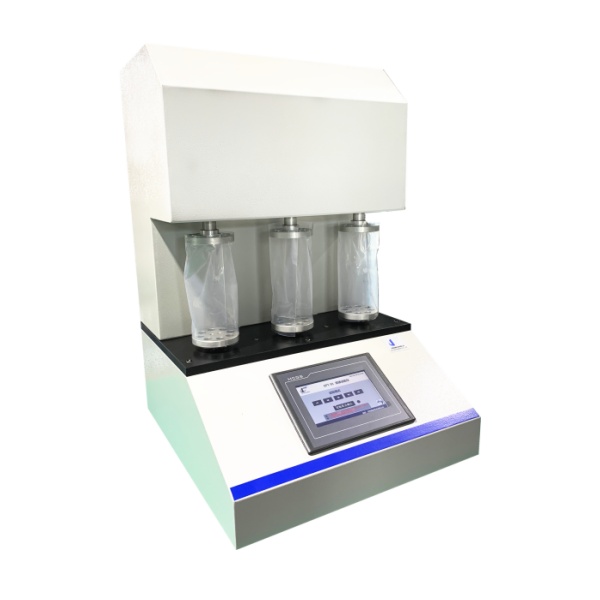
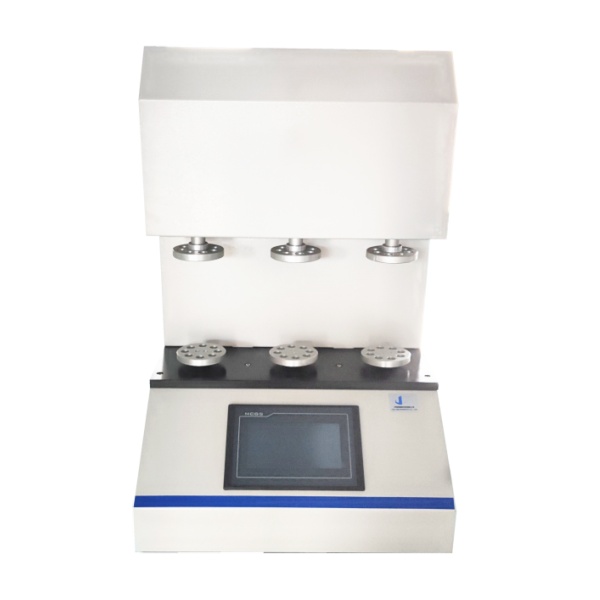
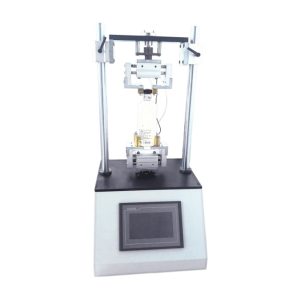
Tester di flessibilità Gelbo GFT
- Standard: ASTM F392
- Produttore: Strumenti cellulari
- Applicazioni: Materiali di imballaggio, materiali per dispositivi medici, test farmaceutici, adesivi, tessuti, contenitori di carta e cartone e molto altro.
- Personalizzazione: Disponibile per requisiti di test speciali e trasformazioni di automazione
Introduzione del tester Gelbo Flex
IL Tester di flessibilità Gelbo è uno strumento specializzato progettato per valutare la durata della flessione e l'integrità meccanica di materiali flessibili come film barriera, laminati e tessuti spalmati. Simulando la torsione e la deformazione da compressione del mondo reale, questo tester fornisce informazioni fondamentali sulla resistenza degli imballaggi e dei materiali rivestiti a formazione di un foro stenopeico, fessurazione, E degrado delle proprietà della barriera. Standard come ASTM F392 E ISO 7854 definire i metodi di analisi che garantiscano accuratezza, ripetibilità e comparabilità internazionale.
IL Tester di flessibilità Gelbo, a volte indicato come un tester di flessione a rombo O tester di flessionefunziona sottoponendo i campioni di prova a movimenti simultanei di torsione e compressione. Questa azione combinata riproduce le sollecitazioni meccaniche che i materiali di imballaggio flessibili subiscono durante il riempimento, la sigillatura, il trasporto e lo stoccaggio.
Il metodo di prova, comunemente noto come Metodo di prova Gelbovaluta la capacità di un materiale di mantenere l'integrità in caso di deformazione ciclica. I materiali che non superano questo test spesso sviluppano microscopici fori di spillo o crepe che compromettono le prestazioni di barriera dell'imballaggio contro la trasmissione di ossigeno, umidità o gas.
Principio del Gelbo Flex e norme correlate
Due standard internazionali primari regolano la valutazione della durabilità della flessione: ASTM F392 E ISO 7854.
ASTM F392, intitolato Pratica standard per il condizionamento dei materiali barriera flessibili per la durata della flessioneIl metodo di prova specifica le condizioni per valutare la resistenza dei materiali di imballaggio flessibili ai fori di spillo indotti dalla flessione e alle rotture della barriera. In questo metodo, i campioni vengono sottoposti a ripetute flessioni a 45 cicli al minuto, che coinvolge un Torsione a 440° combinato con un Movimento orizzontale di 65 mm. Il test è condotto in condizioni standard di 23 ± 2°C E 50 ± 5% umidità relativa. A seconda del livello di condizionamento desiderato, i cicli di prova possono variare da Da 20 a 2700, corrispondenti ai livelli Da A a E.
ISO 7854, Tessuti rivestiti di gomma o plastica - Determinazione della resistenza ai danni da flessionedefinisce tre metodi di test di flessione. Metodo C, noto come il metodo di accartocciamento/flessioneIl principio di Gelbo è molto simile. In questo caso, un provino cilindrico viene sottoposto a torsione oscillante e compressione assialesimulando le sollecitazioni di flessione reali per i tessuti spalmati, i materiali medicali e i tessuti tecnici.
Insieme, questi standard stabiliscono che la procedura Gelbo flex è il punto di riferimento mondiale per test di durata della flessione.
Come funziona il tester Gelbo Flex
IL Tester di flessibilità Gelbo (ad esempio, il Tester di durata GFT Flex da Strumenti cellulari) opera con elevata precisione per replicare i movimenti di flessione ASTM e ISO.
- Preparazione del campione: I campioni standard sono 200 × 280 mm, taglio in direzione sia meccanica che trasversale.
- Montaggio: I campioni vengono fissati o fatti aderire ai mandrini del tester, formando una forma cilindrica per la torsione e la compressione simultanee.
- Ciclo di flessione: Il tester esegue un Torsione a 440° durante i primi 90 mm di corsa, seguiti da una 65 mm di compressione lineare, ad un livello consistente di 45 cicli al minuto.
- Selezione della modalità: Gli utenti possono scegliere tra cinque modalità di test programmabili (A-E) per adattarsi ai diversi tipi di materiale o agli obiettivi del test.
- Valutazione dei risultati: Dopo il condizionamento, i campioni vengono ispezionati per verificare l'eventuale presenza di fori di spillo, crepe o degrado della barriera. OTR (tasso di trasmissione dell'ossigeno), WVTR (tasso di trasmissione del vapore acqueo), o GTR test.
Questo processo controllato consente ai laboratori e ai team di controllo della qualità di quantificare la qualità di un materiale. resistenza alla flessione e prevederne le prestazioni in caso di sollecitazioni meccaniche reali.
Caratteristiche principali e parametri principali
IL Tester di flessibilità Gelbo GFT serie da Strumenti cellulari offre una tecnologia avanzata progettata per garantire alta precisione e facilità d'uso:
- Controllo PLC e interfaccia touchscreen - Assicura un controllo del movimento accurato, un funzionamento semplice e la ripetibilità dei dati.
- Stazioni di prova multiple - Disponibile con tre o quattro stazioni per test paralleli e analisi comparative.
- Condizioni di test programmabili - Supporta le modalità A-E della norma ASTM F392 per test versatili che vanno dallo screening rapido (20 cicli) alla valutazione della resistenza (2700 cicli).
- Design meccanico resistente - Progettato per garantire stabilità a lungo termine e conformità con ASTM F392 E ISO 7854 standard.
- Maggiore affidabilità dei dati - Supporta la valutazione post-test di integrità della barrieraformazione di fori di spillo e variazioni della resistenza meccanica.
| Tester di durata GFT Gelbo Flex | ||
| Parametro | Modello GFT-02 | Modello GFT-01 |
| Angolo di flessione | 440° (90 mm) o 400° (80 mm) | |
| Capacità | 3,5 N.m | 2,5 Nm |
| Tratto orizzontale | 155 mm o 80 mm | |
| Stazioni | 3 | 4 |
| Dimensione del campione | Dimensioni: 280 mm x 200 mm | |
| Energia | 110~220V | |
Applicazioni del test Gelbo Flex
Test di flessione Gelbo è essenziale nei settori in cui i materiali flessibili devono mantenere l'integrità della barriera e la qualità estetica dopo ripetute manipolazioni o sollecitazioni meccaniche. Le principali aree di applicazione includono:
- Imballaggio flessibile per alimenti, prodotti farmaceutici e dispositivi medici
- Tessuti e pellicole rivestite per usi industriali, tessili e per esterni
- Laminati adesivi E strutture composite
- Controllo di qualità in Laboratori di R&S E agenzie di certificazione
Identificando tempestivamente i punti deboli, i produttori possono migliorare la formulazione dei materiali, la tecnologia di rivestimento e i processi di laminazione.
Domande frequenti
R: Il Gelbo Flex Tester di Cell Instruments vanta un mix unico di ingegneria di precisione e caratteristiche di design innovative. Dall'interfaccia utente intuitiva alle capacità di automazione avanzate, ogni aspetto è meticolosamente realizzato per ottimizzare le prestazioni e l'esperienza utente. Inoltre, la sua compatibilità con un'ampia gamma di materiali e settori lo distingue come una soluzione versatile per le esigenze di test di flessibilità.
R: Sottoponendo i materiali a rigorosi test di flessione, il tester di durata della flessione aiuta a identificare i punti deboli e i potenziali punti di guasto all'inizio del processo di sviluppo. Questo approccio proattivo consente ai produttori di affrontare i problemi prima che degenerino, ottenendo prodotti più resilienti, affidabili e, in definitiva, di qualità superiore.
R: Assolutamente! Il Gelbo Flex Tester è progettato per adattarsi a un'ampia gamma di dimensioni e forme di campioni, offrendo flessibilità e versatilità nei test. Sia che tu stia lavorando con pellicole piccole e delicate o materiali più grandi e ingombranti, il nostro tester può adattarsi per soddisfare facilmente i tuoi requisiti di test specifici.
R: La precisione è fondamentale per il tester di durata flessibile. Grazie a una calibrazione meticolosa e a una costruzione robusta, garantiamo che ogni test produca risultati coerenti e affidabili. Inoltre, il nostro tester è progettato per ridurre al minimo i fattori esterni che potrebbero influenzare i risultati del test, migliorando ulteriormente l'accuratezza e la ripetibilità.
A: In Cell Instruments, diamo priorità alla soddisfazione e al supporto del cliente. Il nostro team di supporto tecnico dedicato è disponibile per assistere gli utenti con qualsiasi domanda, preoccupazione o sfida tecnica che potrebbero incontrare. Che tu abbia bisogno di assistenza con la configurazione, la calibrazione o la risoluzione dei problemi, i nostri esperti sono qui per fornire un supporto rapido ed efficace per garantire che i tuoi processi di test funzionino senza problemi.
Riferimento
ASTM F392 Pratica standard per il condizionamento dei materiali barriera flessibili per la durata della flessione
 IT
IT  EN
EN  ES
ES  DE
DE  FR
FR  AR
AR  KO
KO  JA
JA  RU
RU  PT
PT  VI
VI  ID
ID  BG
BG  CS
CS  DA
DA  EL
EL  ET
ET  FI
FI  HE
HE  HU
HU  LT
LT  LV
LV  NL
NL  PL
PL  RO
RO  SK
SK  SV
SV  SL
SL  UK
UK  TR
TR