

Peel and Shear Testing Method
테스트 방법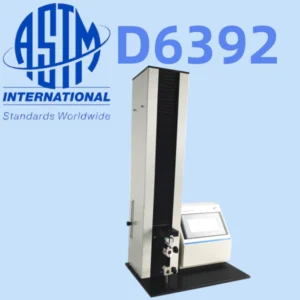
ASTM D6392 is a widely recognized standard used for testing the integrity of geomembrane seams produced by thermo-fusion methods. This test method is crucial for determining the quality of nonreinforced geomembrane seams, especially in applications like waste containment, water reservoirs, and other geotechnical projects. The standard includes both 껍질 벗기기 그리고 전단 테스트 to assess the seam’s strength and durability.
Geomembrane seams, which are essential for ensuring impermeability in barrier systems, must be tested for 껍질 강도 그리고 전단 강도 to avoid failures such as leaks or seam separation during installation or over time. The 박리 및 전단 테스트 방법 provides the necessary data to ensure reliable seam quality and improve quality assurance in geomembrane production.
The Role of Geomembrane Seams Test in Quality Assurance
그만큼 지오멤브레인 이음새 테스트 is specifically designed to evaluate the performance of seams created using different thermal seaming techniques, such as 뜨거운 공기, 핫 웨지, 그리고 압출 methods. These methods ensure that the geomembrane layers are effectively fused, preventing leakage of liquids or gases. Testing geomembrane seams using ASTM D6392 helps ensure that the seams are strong, resilient, and fit for use in demanding environments.
Peel Force Test for Geomembrane Seams
그만큼 peel force test is a destructive test method that measures the force required to peel apart the layers of a geomembrane seam. In ASTM D6392, the 90° T-peel test is typically used. This test applies a force to the geomembrane seam, and the specimen is gripped securely to measure the strength at which the bonded seam separates. The result helps identify potential weaknesses in the seam that could lead to failure under real-world conditions.
Peel Testing Standards: The test is performed under specific conditions, with a crosshead speed of 50 mm/min for HDPE and LMDPE, and 500 mm/min for other flexible materials like PVC, LLDPE, and fPP. The test is considered complete when the specimen ruptures or reaches a significant separation point.
Shear Force Test for Seam Integrity
그만큼 shear force test evaluates how well the geomembrane seam holds up under lateral forces. The test measures the force required to cause separation along the seam when subjected to stress in the plane of the geomembrane. Shear testing is especially important for assessing the performance of seams that might experience such stresses in real-world applications.
- Shear Testing Standards: Like the peel test, the shear test requires securing the geomembrane specimen with grips placed 25 mm on each side of the seam. The test is conducted at a constant crosshead speed, with different speeds for varying geomembrane materials.
Tensile Strength Measurement in Geomembrane Seams
Along with 껍질 벗기기 그리고 전단 테스트, 인장 강도 측정 plays a vital role in determining the overall strength of the geomembrane seam. Tensile testing helps quantify the amount of force the geomembrane can withstand before it breaks, which is critical in applications requiring high load-bearing capacities, such as containment systems or underground linings.
In ASTM D6392, tensile testing is usually conducted using standard tensile test methods outlined in Test Method D638. The results from these tests can provide further insight into the overall integrity of the geomembrane seam.
Importance of ASTM D6392 for Geomembrane Quality Control
ASTM D6392 serves as an essential quality control measure for geomembrane manufacturers and construction professionals. By evaluating the shear 그리고 껍질 강도 of seams, this test ensures that geomembranes will perform as expected in applications where they serve as barriers against liquid migration, preventing contamination or failure.
사용 ASTM D6392 helps engineers and quality assurance teams identify defects early in the manufacturing process, making it easier to address potential issues before the geomembrane is deployed in the field. The inclusion of 껍질 벗기기 그리고 전단 테스트 in quality assurance programs minimizes the likelihood of geomembrane seam failures, ultimately protecting the integrity of the entire containment system.
Conclusion: Ensuring Quality with Geomembrane Testing
그만큼 geomembrane peel and shear testing method outlined in ASTM D6392 is a crucial step in ensuring the durability and performance of geomembrane seams. Through 껍질 벗기기 그리고 전단 강도 테스트, manufacturers and quality control professionals can assess seam quality, identify weaknesses, and take corrective actions to prevent failures during installation or operation. The reliable results provided by these tests help guarantee that geomembranes can effectively serve as barriers in a wide range of applications, from landfills to water reservoirs.
For precise testing of geomembrane seams, 셀 인스트루먼트 offers 인장 시험기 that comply with industry standards, ensuring accurate, repeatable results that are essential for high-quality geomembrane manufacturing.
자주 묻는 질문
Q1: What is ASTM D6392 and why is it important for geomembrane seam testing?A1:
ASTM D6392 is a standard test method used to evaluate the integrity of nonreinforced geomembrane seams produced using thermo-fusion methods. It is important because it ensures that the seams created during the manufacturing of geomembranes, which are critical for containment applications, meet quality control standards. The test evaluates the seam’s peel strength and shear strength, which helps identify weaknesses that could lead to seam separation and failure during real-world use. This test is essential for ensuring the long-term durability and impermeability of geomembrane installations in environments like landfills, water reservoirs, and containment systems.
A2:
ASTM D6392 involves two primary tests: the 껍질 테스트 그리고 전단 테스트.
Peel Test: Measures the force required to peel apart the layers of the geomembrane seam, indicating the adhesion strength. This test is typically performed using the 90° “T-peel” method, where specimens are subjected to a consistent crosshead speed to assess the peel force.
Shear Test: Evaluates the lateral force required to cause separation along the seam. This helps assess the geomembrane seam’s ability to withstand stresses that could cause rupture in real-world applications. Both tests are critical for assessing the overall quality and strength of the seams.
A3:
ASTM D6392 is typically applied to nonreinforced geomembranes made from a variety of materials, including:
Very low-density polyethylene (VLDPE)
Linear low-density polyethylene (LLDPE)
Very flexible polyethylene (VFPE)
Linear medium-density polyethylene (LMDPE)
High-density polyethylene (HDPE)
Polyvinyl chloride (PVC)
Flexible polypropylene (fPP)
These materials are commonly used in applications where geomembranes are needed to provide an impermeable barrier, such as in landfill liners, water reservoirs, and mining operations.
Q4: How do the results from the peel and shear tests help improve geomembrane seam quality?A4:
The results from 껍질 벗기기 그리고 전단 테스트 offer valuable insights into the strength and durability of geomembrane seams. By analyzing the data from these tests, engineers and quality control professionals can identify seams that are at risk of failure under stress. This information allows manufacturers to take corrective action, such as adjusting seaming techniques or improving material quality, before the geomembrane is used in critical applications. The tests also help monitor the consistency of seam quality, ensuring that each batch of geomembrane material meets the required standards for performance and reliability.
A5:
For ASTM D6392 testing, tensile testing equipment that meets the requirements outlined in Test Method D638 is essential. This equipment includes:
Tensile testers with appropriate grips and crosshead speed control to perform both peel and shear tests.
Grip faces that are at least 25 mm wide, ensuring a secure hold on the geomembrane specimen.
Calibration tools for ensuring accurate measurement and reporting of the force applied during the tests.
Using well-calibrated testing equipment, such as Cell Instruments' 인장 시험기, ensures accurate, repeatable results, which are crucial for proper quality control and assurance.
 KO
KO  EN
EN  ES
ES  DE
DE  FR
FR  IT
IT  AR
AR  JA
JA  RU
RU  PT
PT  VI
VI  ID
ID  BG
BG  CS
CS  DA
DA  EL
EL  ET
ET  FI
FI  HE
HE  HU
HU  LT
LT  LV
LV  NL
NL  PL
PL  RO
RO  SK
SK  SV
SV  SL
SL  UK
UK  TR
TR