

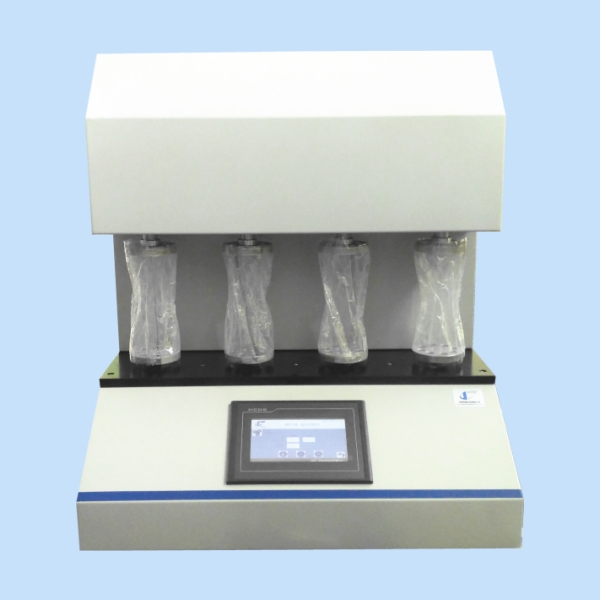
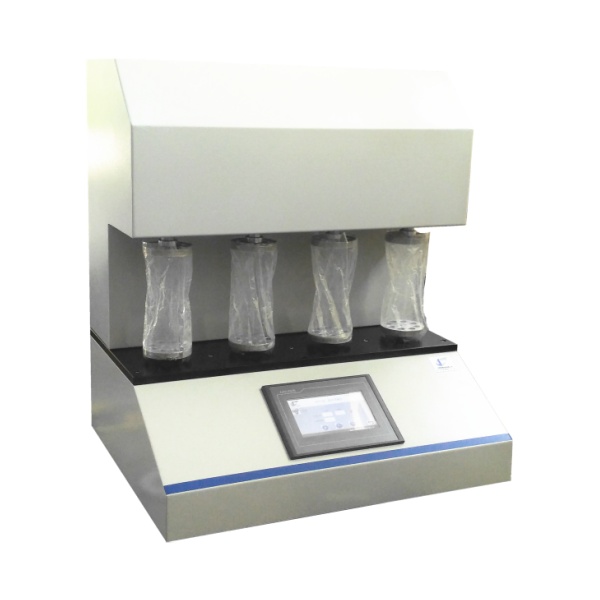
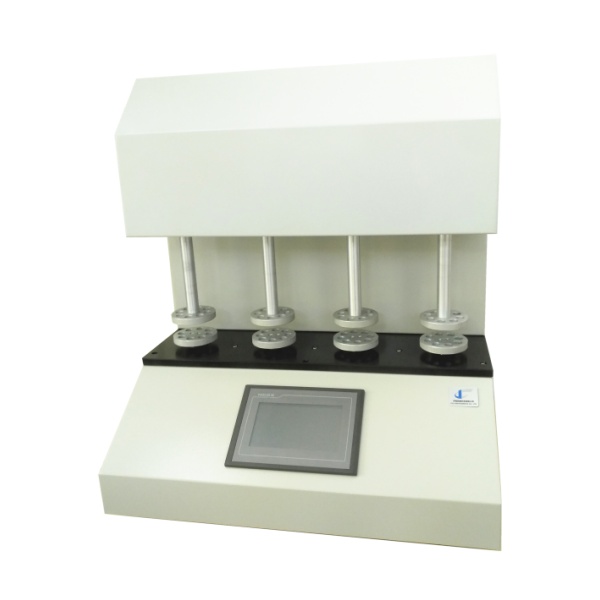
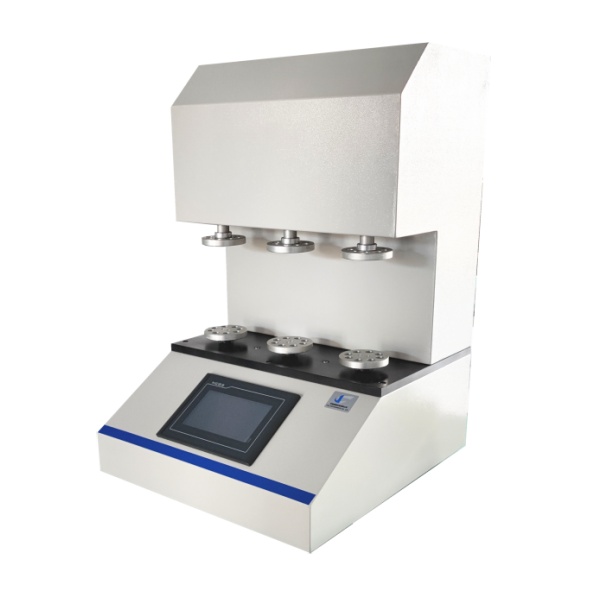
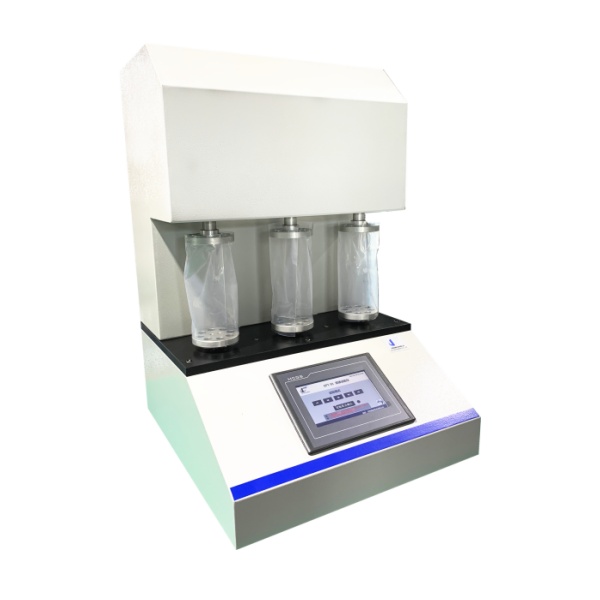
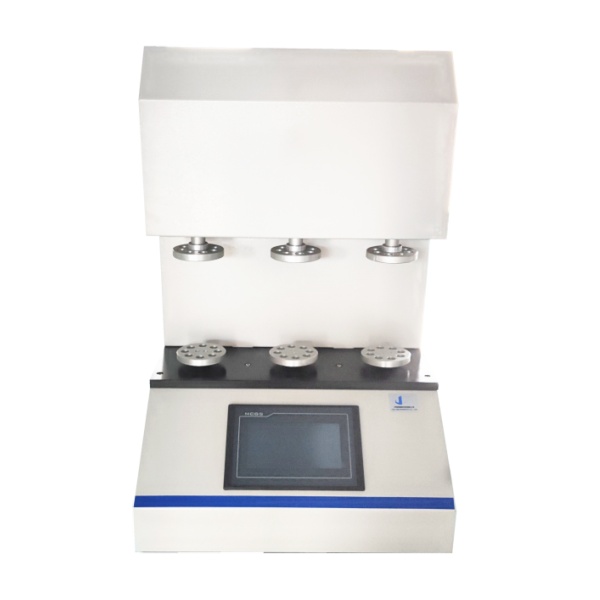
젤보 플렉스 테스터 소개
그만큼 겔보 플렉스 테스터 를 평가하기 위해 설계된 전문 기기입니다. 플렉스 내구성 배리어 필름, 라미네이트, 코팅 직물과 같은 유연한 소재의 기계적 무결성을 테스트합니다. 이 테스터는 실제 비틀림 및 압축 변형을 시뮬레이션하여 포장 및 코팅 재료의 다음에 대한 저항에 대한 중요한 통찰력을 제공합니다. 핀홀 형성, 크래킹, 그리고 장벽 속성 저하. 다음과 같은 표준 ASTM F392 그리고 ISO 7854 정확성, 반복성 및 국제적 비교 가능성을 보장하는 테스트 방법을 정의합니다.
그만큼 겔보 플렉스 테스터라고도 하는 럼플 플렉스 테스터 또는 플렉스 테스터는 테스트 시편에 비틀림과 압축 동작을 동시에 가하는 방식으로 작동합니다. 이 결합된 동작은 충전, 밀봉, 운송 및 보관 중에 연포장재가 받는 기계적 응력을 재현합니다.
일반적으로 알려진 테스트 방법인 젤보 테스트 방법는 주기적인 변형 하에서 무결성을 유지하는 재료의 능력을 평가합니다. 이 테스트에 불합격한 소재는 미세한 핀홀이나 균열이 발생하여 산소, 습기 또는 가스 투과에 대한 패키지의 차단 성능이 저하되는 경우가 많습니다.
젤보 플렉스의 원리 및 관련 표준
플렉스 내구성 평가에는 두 가지 주요 국제 표준이 적용됩니다: ASTM F392 그리고 ISO 7854.
ASTM F392라는 제목의 플렉스 내구성을 위한 플렉서블 배리어 재료 컨디셔닝을 위한 표준 관행는 연포장재가 휘어짐으로 인한 핀홀 및 장벽 파손에 대한 저항성을 평가하기 위한 테스트 조건을 지정합니다. 이 방법에서는 시편을 다음 각도에서 반복적으로 구부립니다. 분당 45회 주기를 포함하는 440° 트위스트 와 결합된 65mm 수평 모션. 테스트는 다음과 같은 표준 조건에서 수행됩니다. 23 ± 2°C 그리고 50 ± 5% 상대 습도. 원하는 컨디셔닝 레벨에 따라 테스트 주기는 다음과 같습니다. 20~2700레벨에 해당하는 A~E.
ISO 7854, 고무 또는 플라스틱 코팅 직물 - 구부러짐에 의한 손상 저항성 측정에서는 플렉스 테스트의 세 가지 방법을 정의합니다. 방법 C로 알려진 크럼플/플렉스 방식는 겔보 원리와 매우 유사합니다. 여기서 원통형 시편은 다음을 수행합니다. 진동 비틀림 및 축 방향 압축를 사용하여 코팅된 직물, 의료용 소재 및 기능성 직물의 실제 플렉스 응력을 시뮬레이션합니다.
이러한 표준을 통해 젤보 플렉스 절차는 다음과 같은 글로벌 벤치마크로 자리매김했습니다. 플렉스 내구성 테스트.
젤보 플렉스 테스터의 작동 원리
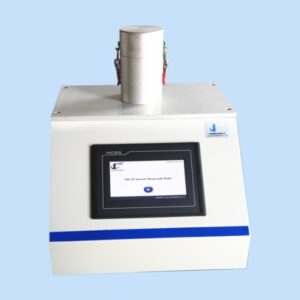
그만큼 겔보 플렉스 테스터 (예를 들어 GFT 플렉스 내구성 테스터 by 셀 인스트루먼트)는 ASTM 및 ISO 굴곡 동작을 재현하기 위해 고정밀로 작동합니다.
- 샘플 준비: 표준 샘플은 다음과 같습니다. 200 × 280 mm를 클릭하고 기계 방향과 가로 방향으로 자릅니다.
- 마운팅: 시료가 테스터의 맨드릴에 고정되거나 부착되어 원통형 모양을 형성하여 비틀림과 압축을 동시에 수행합니다.
- 굴곡 주기: 테스터는 440° 트위스트 의 첫 90mm 동안, 그 다음에는 65mm 선형 압축를 일관되게 분당 45회 주기.
- 모드 선택: 사용자는 다음 중에서 선택할 수 있습니다. 5가지 프로그래밍 가능한 테스트 모드(A-E) 를 사용하여 다양한 자료 유형이나 테스트 목표에 맞게 조정할 수 있습니다.
- 결과 평가: 컨디셔닝 후 시편에 핀홀, 균열 또는 장벽 열화가 있는지 검사합니다. OTR(산소 투과율), WVTR(수증기 투과율)또는 GTR 테스트.
이 제어된 프로세스를 통해 실험실과 품질 관리 팀은 재료의 정량화를 통해 플렉스 저항 실제 기계적 스트레스 하에서 성능을 예측합니다.
주요 기능 및 주요 매개변수
그만큼 GFT 겔보 플렉스 테스터 시리즈의 셀 인스트루먼트 는 높은 정밀도와 사용 편의성을 위해 설계된 첨단 기술을 제공합니다:
- PLC 제어 및 터치스크린 인터페이스 - 정확한 모션 제어, 사용자 친화적인 작동, 데이터 반복성을 보장합니다.
- 여러 테스트 스테이션 - 함께 사용 가능 서너 개의 스테이션 를 사용하여 병렬 테스트 및 비교 분석을 수행할 수 있습니다.
- 프로그래밍 가능한 테스트 조건 - 빠른 스크리닝(20주기)부터 내구성 평가(2700주기)까지 다양한 테스트를 위한 ASTM F392 모드 A-E를 지원합니다.
- 내구성이 뛰어난 기계 설계 - 장기적인 안정성과 다음 규정을 준수하도록 설계되었습니다. ASTM F392 그리고 ISO 7854 표준.
- 향상된 데이터 안정성 - 테스트 후 평가 지원 장벽 무결성핀홀 형성 및 기계적 강도 변화.
| GFT 젤보 플렉스 내구성 테스터 | ||
| 매개변수 | GFT-02 모델 | GFT-01 모델 |
| 플렉스 각도 | 440°(90mm) 또는 400°(80mm) | |
| 용량 | 3.5 N.m | 2.5Nm(2.5Nm) |
| 수평 스트로크 | 155mm 또는 80mm | |
| 스테이션 | 3 | 4 |
| 샘플 크기 | 280mm x 200mm | |
| 힘 | 110~220V | |
젤보 플렉스 테스트의 적용
젤보 플렉스 테스트 는 연성 소재가 반복적인 취급이나 기계적 스트레스 후에도 장벽 무결성과 미적 품질을 유지해야 하는 산업에서 필수적입니다. 주요 적용 분야는 다음과 같습니다:
- 유연한 패키징 식품, 제약 및 의료 기기용
- 코팅 직물 및 필름 산업용, 섬유 및 실외용
- 접착 라미네이트 그리고 복합 구조
- 품질 관리 in R&D 연구소 그리고 인증 기관
제조업체는 취약점을 조기에 파악하여 재료 배합, 코팅 기술 및 라미네이션 공정을 개선할 수 있습니다.
자주 묻는 질문
A: Cell Instruments의 Gelbo Flex Tester는 정밀 엔지니어링과 혁신적인 디자인 기능의 독특한 조합을 자랑합니다. 직관적인 사용자 인터페이스부터 고급 자동화 기능에 이르기까지 모든 측면이 성능과 사용자 경험을 최적화하도록 세심하게 제작되었습니다. 또한 광범위한 소재와 산업에 대한 호환성으로 플렉스 테스트 요구 사항에 대한 다재다능한 솔루션으로 차별화됩니다.
A: 플렉스 내구성 테스터는 소재에 엄격한 플렉스 테스트를 실시함으로써 개발 프로세스 초기에 약점과 잠재적인 실패 지점을 식별하는 데 도움이 됩니다. 이러한 사전 예방적 접근 방식을 통해 제조업체는 문제가 확대되기 전에 문제를 해결하여 더 탄력적이고 신뢰할 수 있으며 궁극적으로 더 높은 품질의 제품을 생산할 수 있습니다.
A: 물론입니다! Gelbo Flex Tester는 다양한 샘플 크기와 모양을 수용하도록 설계되어 테스트에서 유연성과 다양성을 제공합니다. 작고 섬세한 필름이나 더 크고 부피가 큰 소재로 작업하든, 당사 테스터는 손쉽게 귀하의 특정 테스트 요구 사항을 충족하도록 조정할 수 있습니다.
A: 플렉스 내구성 테스터의 경우 정밀도가 가장 중요합니다. 세심한 교정과 견고한 구조를 통해 각 테스트에서 일관되고 신뢰할 수 있는 결과가 나오도록 보장합니다. 또한, 당사 테스터는 테스트 결과에 영향을 줄 수 있는 외부 요인을 최소화하도록 설계되어 정확도와 반복성을 더욱 향상시킵니다.
A: Cell Instruments에서는 고객 만족과 지원을 최우선으로 생각합니다. 전담 기술 지원팀이 사용자가 겪을 수 있는 질문, 우려 사항 또는 기술적 어려움을 도울 수 있습니다. 설정, 교정 또는 문제 해결에 도움이 필요하든, 당사 전문가가 신속하고 효과적인 지원을 제공하여 테스트 프로세스가 원활하게 진행되도록 보장합니다.
참조
ASTM F392 플렉스 내구성을 위한 플렉서블 배리어 재료 컨디셔닝을 위한 표준 관행
 KO
KO  EN
EN  ES
ES  DE
DE  FR
FR  IT
IT  AR
AR  JA
JA  RU
RU  PT
PT  VI
VI  ID
ID  BG
BG  CS
CS  DA
DA  EL
EL  ET
ET  FI
FI  HE
HE  HU
HU  LT
LT  LV
LV  NL
NL  PL
PL  RO
RO  SK
SK  SV
SV  SL
SL  UK
UK  TR
TR