
Visaptveroša CO2 līmeņa testera rokasgrāmata dzērienu karbonizācijas analīzei
Ievads CO2 līmeņa testera lietošanā
A co2 līmeņa testeris ir būtiska nozīme, novērtējot gāzēto dzērienu, piemēram, bezalkoholisko dzērienu, dzirkstošā ūdens, alus un funkcionālo dzērienu, gāzēšanas līmeni. Precīzs CO₂ mērījums palīdz nodrošināt garšas viendabīgumu, iepakojuma integritāti un produktu derīguma termiņu. Tā kā dzērienu zīmoli konkurē ar kvalitāti un uzticamību, laboratorijas un uzpildes rūpnīcas arvien vairāk paļaujas uz precīzu CO₂ analīzi, lai saglabātu produktu standartus un pārbaudītu iepakojuma veiktspēju.
Cell Instruments specializējas materiālu un iepakojuma testēšanas risinājumos, un mūsu karbonizācijas testēšanas sistēmas palīdz dzērienu ražotājiem, iepakojuma piegādātājiem un kvalitātes kontroles aģentūrām iegūt uzticamus karbonizācijas datus gan izstrādes, gan ražošanas vidē.
Testēšanas nozīme saskaņā ar ASTM F1115 standartu
ASTM F1115 Testa prasības karbonizācijas mērīšanai
ASTM F1115 definē strukturētu metodi oglekļa dioksīda zudumu noteikšanai dzērienu traukos, mērot sākotnējo un galīgo karbonizācijas līmeni noteiktos intervālos. Standartā aprakstītas divas praktiskas procedūras A un B, kas palīdz lietotājiem novērtēt glabāšanas laiku, pārbaudīt pildīšanas parametrus un salīdzināt iepakojuma dizainu.
A procedūra ir vērsta uz augstas precizitātes laboratorijas testēšanu, izmantojot mikrospiediena un temperatūras sensorus. B procedūrā izmanto vienkāršākas spiediena un temperatūras ierīces vai automatizētus CO₂ analizatorus, tāpēc tā ir piemērota ikdienas kvalitātes kontrolei. Ievērojot ASTM F1115, dzērienu ražotāji iegūst strukturētu un atkārtojamu metodi, lai uzraudzītu karbonizācijas saglabāšanos un atklātu tādas problēmas kā CO₂ noplūde, nepareiza blīvēšana vai pudeles deformācija.
Kā CO2 līmeņa testeris palīdz dzērienu kvalitātes kontrolei
A co2 līmeņa testeris sniedz tiešu ieskatu par karbonizācijas uzvedību visā produkta uzglabāšanas un izplatīšanas laikā. Tas ļauj lietotājiem:
- Sākotnējā un galīgā karbonizācijas līmeņa mērīšana
- Pārbaudiet CO₂ uzpildes spiedienu iepildīšanas laikā.
- Agrīna CO₂ zuduma atklāšana, ko izraisa slēgšanas defekti.
- Izstrādes laikā novērtēt pudeļu dizainu
- Aptuvenais glabāšanas laiks, pamatojoties uz saglabāšanas līknēm
Izpratne par temperatūras un uzglabāšanas apstākļu ietekmi uz karbonizāciju
Tā kā CO₂ satura izmaiņas ietekmē garšu, garšas sajūtu un putu īpašības, konsekventa uzraudzība nodrošina, ka dzēriens saglabā paredzēto kvalitāti no iepildīšanas līdz pat patēriņam.
Galvenie testēšanas jēdzieni, pamatojoties uz ASTM F1115
Sākotnējās un galīgās karbonizācijas uzraudzība
ASTM F1115 nosaka, ka tvertnes ar gāzēto ūdeni vai produktu jāaizpilda ar vismaz 4,5 tilpumiem CO₂. Pēc noslēgšanas lietotāji mēra sākotnējo līdzsvara spiedienu un temperatūru, lai noteiktu sākuma karbonizācijas līmeni.
Karbonizācijas zuduma novērtēšana laika gaitā
Plānotie mērījumi, piemēram, pēc 24 stundām, 3 dienām, 1 nedēļas un papildu intervāliem, ļauj lietotājiem aprēķināt karbonizācijas procentuālo saglabāšanos. Šie rādījumi palīdz noteikt CO₂ zudumu modeļus un identificēt vājas iepakojuma struktūras.
Temperatūras un spiediena stabilitāte
Būtiski ir stabili spiediena un temperatūras rādījumi. Pudeles līdzsvarošana kontrolētos vides apstākļos novērš kļūdainus CO₂ zudumu rādījumus, ko izraisa temperatūras svārstības vai novēlota līdzsvara iestāšanās.
Traucējumu identificēšana
ASTM F1115 norāda uz šādām iespējamām problēmām:
- Slēgšanas noplūde
- Nepareiza spiediena iekārtas iestatīšana
- Pārmērīgs starpspiediena gaisa daudzums
- Pudeles sieniņu biezuma izmaiņas
- Apkārtējā mitruma ietekme
Uzraugot šos faktorus, lietotāji var novērst neprecīzus rezultātus un saglabāt augstu testēšanas uzticamību.
Kā veikt karbonizācijas testēšanu, izmantojot CO2 līmeņa testeri
1. Paraugu sagatavošana un kondicionēšana
Kondicionēšanas pudeles pie 23 °C ± 2 °C un 50% ± 5% RH 72 stundas. Pareiza kondicionēšana nodrošina pastāvīgu spiediena un temperatūras līdzsvaru.
2. Konteineru piepildīšana un aizzīmogošana
Piepildiet ar gāzētu šķidrumu, kas atdzesēts līdz 5 °C vai mazāk, pēc tam pielietojiet slēgumus. Pārliecinieties, ka aizvars ir cieši noslēgts, lai izvairītos no CO₂ noplūdes.
3. Sākotnējās karbonizācijas mērīšana
Izmantojot CO2 līmeņa testeri, sakratiet pudeli un reģistrējiet līdzsvara spiedienu un temperatūru. Pārrēķiniet šīs vērtības CO₂ tilpumā, izmantojot karbonizācijas tabulu.
4. Uzglabāšana un testēšana plānotajos intervālos
Noteiktos periodos izmēriet karbonizāciju. A procedūrai var bieži veikt laboratorijas mērījumus, izmantojot jutīgus spiediena devējus; B procedūrai izmanto manuālas vai automātiskas spiediena un temperatūras mērīšanas ierīces.
5. Karbonizācijas aizturēšanas analīze
Uzzīmē karbonizācijas saglabāšanas attiecību pret laiku. Derīguma termiņu nosaka, kad CO₂ līmenis nokrīt zem pieļaujamās robežas. Šie dati palīdz arī salīdzināt iepakojuma materiālus, pudeļu konstrukcijas un aizvēršanas sistēmas.
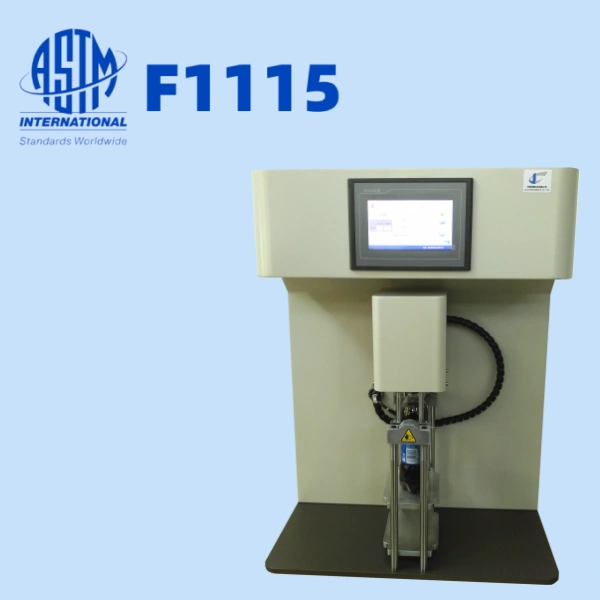
Kāpēc izvēlēties Cell Instruments CO2 līmeņa testēšanas risinājumus
Cell Instruments piedāvā modernas iekārtas, kas paredzētas precīziem gāzēšanas mērījumiem visos dzērienu iepakojuma formātos. Mūsu co2 līmeņa testeris sistēmu piedāvājums:
- Augstas precizitātes spiediena un temperatūras mērījumi
- Stabili, atkārtojami karbonizācijas aprēķini
- Savietojamība ar ASTM F1115 A un B procedūrām
- Izturīga konstrukcija laboratorijām un ražošanas līnijām
- Papildaprīkojuma automatizācija, lai samazinātu operatora mainīgumu
Šie instrumenti palīdz pētniecības un izstrādes nodaļām, kvalitātes kontroles komandām un ražošanas uzņēmumiem veikt uzticamu un standartizētu CO₂ testēšanu, palīdzot uzlabot produktu konsekvenci un samazināt kvalitātes defektus.
Secinājums
A co2 līmeņa testeris ir būtiska dzērienu ražotājiem, kuri vēlas saglabāt gāzēšanas stabilitāti, optimizēt iepakojuma dizainu un nodrošināt produkta kvalitāti. Ievērojot strukturētās metodes, kas norādītas ASTM F1115, lietotāji var precīzi novērtēt CO₂ aizturi, noteikt faktorus, kas izraisa karbonizācijas zudumus, un optimizēt pudeles un aizvākojuma darbību. Izmantojot uzticamus Cell Instruments testēšanas instrumentus, dzērienu ražotāji iegūst pārliecību, kas nepieciešama, lai nodrošinātu kvalitātes nodrošināšanu un atbilstību normatīvajiem aktiem visā ražošanas ciklā.
 LV
LV  EN
EN  ES
ES  DE
DE  FR
FR  IT
IT  AR
AR  KO
KO  JA
JA  RU
RU  PT
PT  VI
VI  ID
ID  BG
BG  CS
CS  DA
DA  EL
EL  ET
ET  FI
FI  HE
HE  HU
HU  LT
LT  NL
NL  PL
PL  RO
RO  SK
SK  SV
SV  SL
SL  UK
UK  TR
TR  BE
BE  BS
BS  HI
HI  HR
HR  KK
KK  ML
ML  MY
MY  NN
NN  SR
SR  TA
TA  UZ
UZ  SQ
SQ  TH
TH