

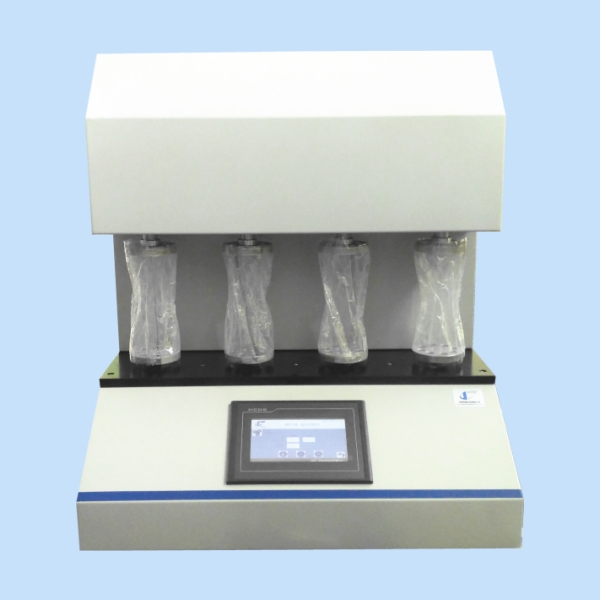
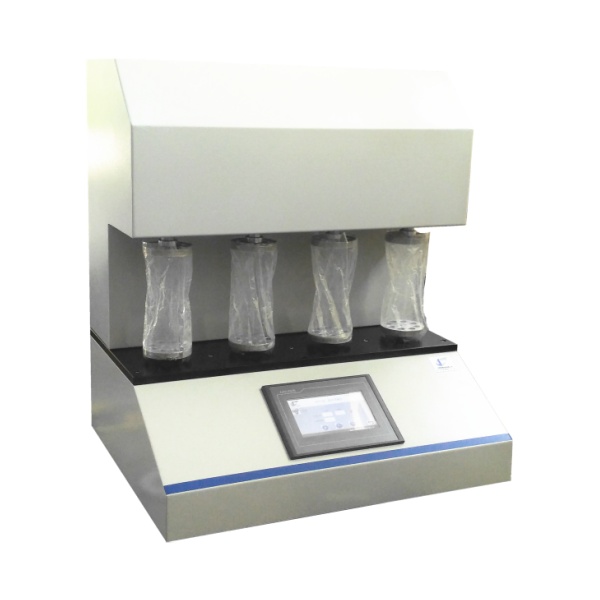
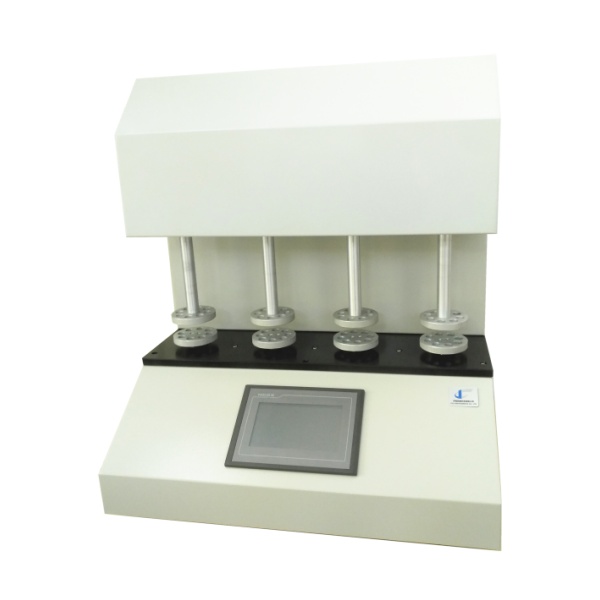
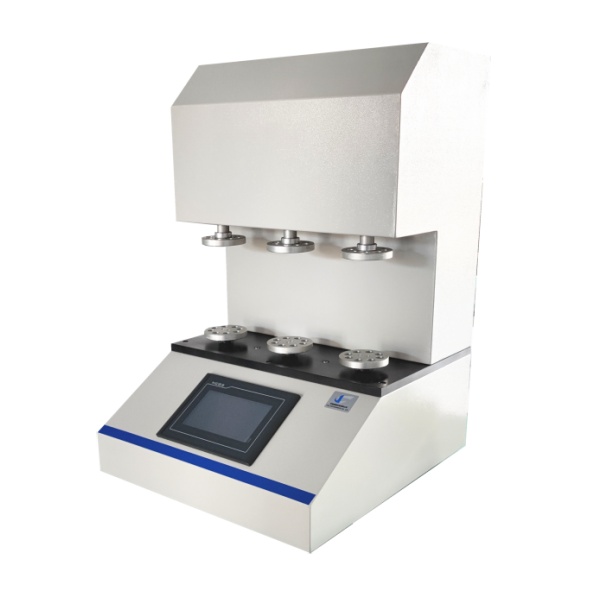
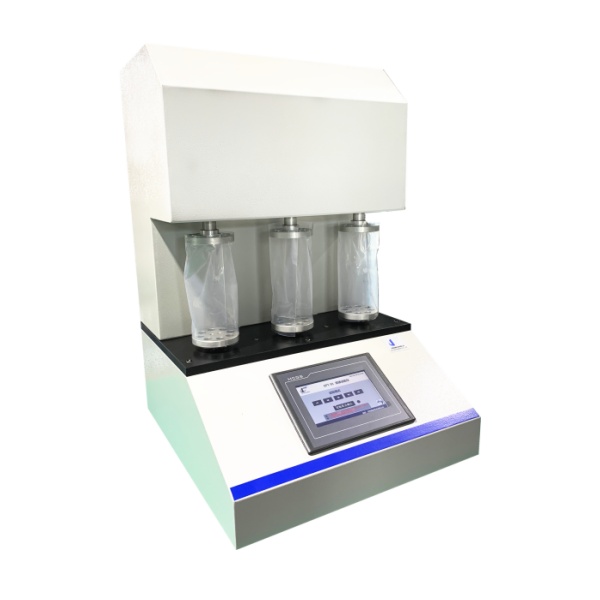
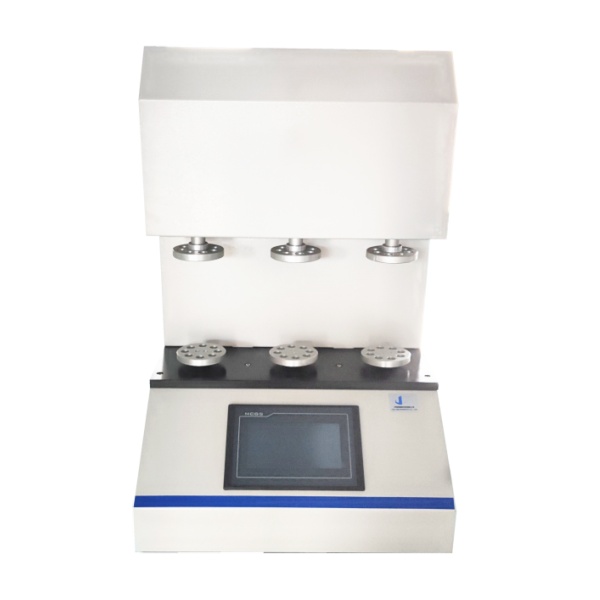
GFT Gelbo Flex-tester
- Standaard: ASTM F392
- Fabrikant: Celinstrumenten
- Toepassingen: Verpakkingsmaterialen, materialen voor medische hulpmiddelen, farmaceutische testen, lijmen, textiel, papieren en kartonnen verpakkingen, en meer.
- Aanpassing: Beschikbaar voor speciale testvereisten en automatiseringstransformaties
Introductie van Gelbo Flex Tester
De Gelbo Flex-tester is een gespecialiseerd instrument dat ontworpen is om de duurzaamheid en mechanische integriteit van flexibele materialen zoals barrièrefolie, laminaten en gecoate stoffen. Door werkelijke verdraaiing en drukvervorming te simuleren, geeft deze tester een kritisch inzicht in de weerstand van verpakkingen en gecoate materialen tegen gaatjesvorming, kraken, En degradatie van barrière-eigenschappen. Normen zoals ASTM F392 En ISO 7854 de testmethoden definiëren die nauwkeurigheid, herhaalbaarheid en internationale vergelijkbaarheid garanderen.
De Gelbo Flex-testersoms een rumple flex tester of buigtesterwerkt door testmonsters te onderwerpen aan gelijktijdige draaiende en samendrukkende bewegingen. Deze gecombineerde actie reproduceert de mechanische spanning die flexibele verpakkingsmaterialen ondervinden tijdens het vullen, sealen, transport en opslag.
De testmethode, algemeen bekend als de Gelbo-testmethodeDeze test evalueert het vermogen van een materiaal om de integriteit te behouden bij cyclische vervorming. Materialen die niet aan deze test voldoen, ontwikkelen vaak microscopisch kleine gaatjes of scheurtjes die de barrièreprestaties van de verpakking tegen zuurstof, vocht of gastransmissie in gevaar brengen.
Principe van de Gelbo Flex en gerelateerde standaarden
Twee belangrijke internationale normen bepalen de evaluatie van de duurzaamheid van buigspanningen: ASTM F392 En ISO 7854.
ASTM F392, getiteld Standaardprocedure voor het conditioneren van flexibele barrièrematerialen voor flexibele duurzaamheidspecificeert testomstandigheden voor het beoordelen van de weerstand van flexibele verpakkingsmaterialen tegen door buiging veroorzaakte gaatjes en barrièregebreken. Bij deze methode worden monsters herhaaldelijk gebogen bij 45 cycli per minuutwaarbij een 440° verdraaiing gecombineerd met een 65 mm horizontale beweging. De test wordt uitgevoerd onder standaardomstandigheden van 23 ± 2°C En 50 ± 5% relatieve vochtigheid. Afhankelijk van het gewenste conditioneringsniveau kunnen de testcycli variëren van 20 tot 2700die overeenkomen met niveaus A tot en met E.
ISO 7854, Met rubber of kunststof beklede weefsels - Bepaling van de weerstand tegen buigschadedefinieert drie methoden voor buigtesten. Methode Cbekend als de kreukel/flexmethodelijkt sterk op het Gelbo-principe. Hier wordt een cilindrisch proefstuk onderworpen aan oscillerende verdraaiing en axiale compressieHet simuleren van echte buigspanning voor gecoate stoffen, medische materialen en technisch textiel.
Samen maken deze standaarden de Gelbo flex procedure tot de wereldwijde standaard voor testen op buigduurzaamheid.
Hoe de Gelbo Flex Tester werkt
De Gelbo Flex-tester (bijvoorbeeld de GFT Flex duurzaamheidstester door Celinstrumenten) werkt zeer nauwkeurig om de ASTM en ISO buigbewegingen na te bootsen.
- Monstervoorbereiding: Standaardmonsters zijn 200 × 280 mmsnijden in zowel de machine- als de dwarsrichting.
- Montage: De monsters worden vastgeklemd of vastgeklemd op de doornen van de tester, waardoor een cilindrische vorm ontstaat voor gelijktijdig draaien en samendrukken.
- Buigcyclus: De tester voert een 440° verdraaiing tijdens de eerste 90 mm van de slag, gevolgd door een 65 mm lineaire compressieop een consistente 45 cycli per minuut.
- Modusselectie: Gebruikers kunnen kiezen uit vijf programmeerbare testmodi (A-E) voor verschillende materiaalsoorten of testdoelen.
- Resultaat Evaluatie: Na conditionering worden de monsters geïnspecteerd op gaatjes, scheurtjes of degradatie van de barrière met behulp van OTR (zuurstofoverdrachtsnelheid), WVTR (waterdampdoorlatendheid)of GTR testen.
Met dit gecontroleerde proces kunnen laboratoria en kwaliteitscontroleteams de eigenschappen van een materiaal kwantificeren. flexweerstand en de prestaties onder reële mechanische belasting te voorspellen.
Belangrijkste functies en belangrijkste parameters
De GFT Gelbo Flex-tester serie van Celinstrumenten biedt geavanceerde technologie die is ontworpen voor hoge precisie en gebruiksgemak:
- PLC-besturing en aanraakscherminterface - Zorgt voor nauwkeurige bewegingsbesturing, gebruiksvriendelijke bediening en herhaalbaarheid van gegevens.
- Meerdere teststations - Beschikbaar met drie of vier stations voor parallel testen en vergelijkende analyse.
- Programmeerbare testomstandigheden - Ondersteunt de ASTM F392-modi A-E voor veelzijdige tests, van snelle screening (20 cycli) tot evaluatie van het uithoudingsvermogen (2700 cycli).
- Duurzaam mechanisch ontwerp - Ontworpen voor stabiliteit op lange termijn en naleving van ASTM F392 En ISO 7854 normen.
- Verbeterde betrouwbaarheid van gegevens - Ondersteunt post-test evaluatie van barrière-integriteitpinhole-vorming en veranderingen in mechanische sterkte.
| GFT Gelbo Flex Duurzaamheidstester | ||
| Parameter | Model GFT-02 | Model GFT-01 |
| Flexibele hoek | 440° (90 mm) of 400° (80 mm) | |
| Capaciteit | 3,5 N.m | 2,5Nm |
| Horizontale slag | 155 mm of 80 mm | |
| Stations | 3 | 4 |
| Steekproefgrootte | 280mm x 200mm | |
| Stroom | 110~220V | |
Toepassingen van Gelbo Flex-testen
Gelbo buigtest is essentieel in industrieën waar flexibele materialen hun barrière-integriteit en esthetische kwaliteit moeten behouden na herhaalde behandeling of mechanische belasting. De belangrijkste toepassingsgebieden zijn:
- Flexibele verpakking voor levensmiddelen, farmaceutische producten en medische hulpmiddelen
- Gecoate stoffen en films voor industrieel, textiel- en buitentoepassingen
- Zelfklevende laminaten En samengestelde structuren
- Kwaliteitscontrole in R&D-laboratoria En certificeringsinstanties
Door zwakke punten vroegtijdig te identificeren, kunnen fabrikanten de samenstelling van materialen, coatingtechnologie en lamineerprocessen verbeteren.
Veelgestelde vragen
A: De Gelbo Flex Tester van Cell Instruments beschikt over een unieke mix van precisietechniek en innovatieve ontwerpfuncties. Van de intuïtieve gebruikersinterface tot de geavanceerde automatiseringsmogelijkheden, elk aspect is zorgvuldig ontworpen om de prestaties en gebruikerservaring te optimaliseren. Bovendien onderscheidt de compatibiliteit met een breed scala aan materialen en industrieën het als een veelzijdige oplossing voor flextestbehoeften.
A: Door materialen aan strenge flextesten te onderwerpen, helpt de flexduurzaamheidstester zwakheden en potentiële faalpunten vroeg in het ontwikkelingsproces te identificeren. Deze proactieve aanpak stelt fabrikanten in staat om problemen aan te pakken voordat ze escaleren, wat resulteert in producten die veerkrachtiger, betrouwbaarder en uiteindelijk van hogere kwaliteit zijn.
A: Absoluut! De Gelbo Flex Tester is ontworpen om een breed scala aan monstergroottes en -vormen te verwerken, en biedt flexibiliteit en veelzijdigheid bij het testen. Of u nu werkt met kleine, delicate films of grotere, omvangrijkere materialen, onze tester kan zich gemakkelijk aanpassen aan uw specifieke testvereisten.
A: Precisie is van het grootste belang bij de flex sustainability tester. Door nauwkeurige kalibratie en robuuste constructie zorgen we ervoor dat elke test consistente, betrouwbare resultaten oplevert. Bovendien is onze tester ontworpen om externe factoren die de testresultaten kunnen beïnvloeden, te minimaliseren, wat de nauwkeurigheid en herhaalbaarheid verder verbetert.
A: Bij Cell Instruments geven we prioriteit aan klanttevredenheid en ondersteuning. Ons toegewijde technische ondersteuningsteam staat klaar om gebruikers te helpen met alle vragen, zorgen of technische uitdagingen die ze tegenkomen. Of u nu hulp nodig hebt bij de installatie, kalibratie of probleemoplossing, onze experts staan klaar om u snelle en effectieve ondersteuning te bieden om ervoor te zorgen dat uw testprocessen soepel verlopen.
Referentie
ASTM F392 Standaardprocedure voor het conditioneren van flexibele barrièrematerialen voor flexibele duurzaamheid

 NL
NL  EN
EN  ES
ES  DE
DE  FR
FR  IT
IT  AR
AR  KO
KO  JA
JA  RU
RU  PT
PT  VI
VI  ID
ID  BG
BG  CS
CS  DA
DA  EL
EL  ET
ET  FI
FI  HE
HE  HU
HU  LT
LT  LV
LV  PL
PL  RO
RO  SK
SK  SV
SV  SL
SL  UK
UK  TR
TR