

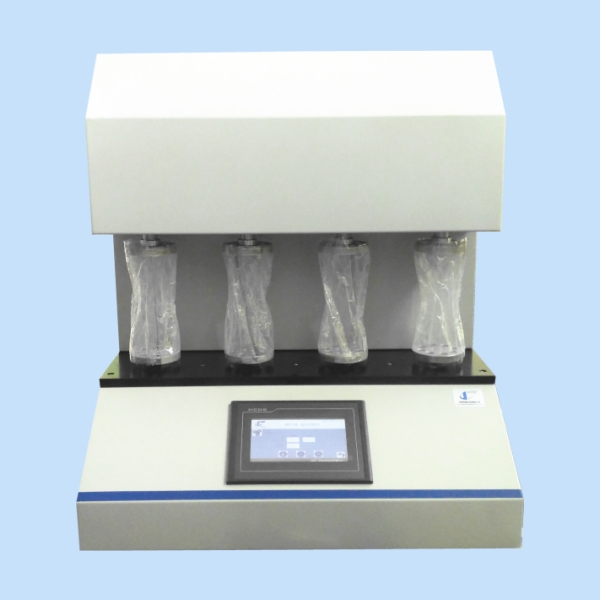
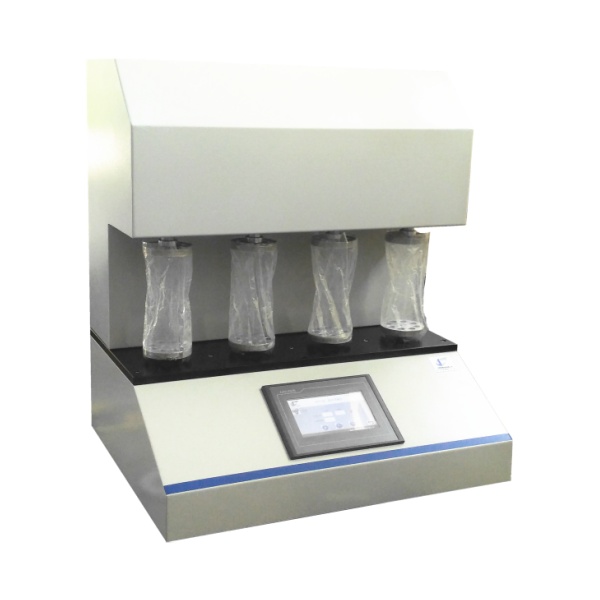
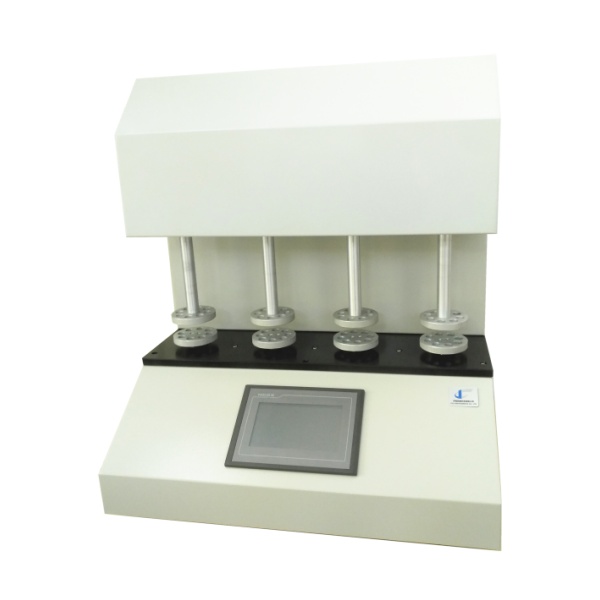
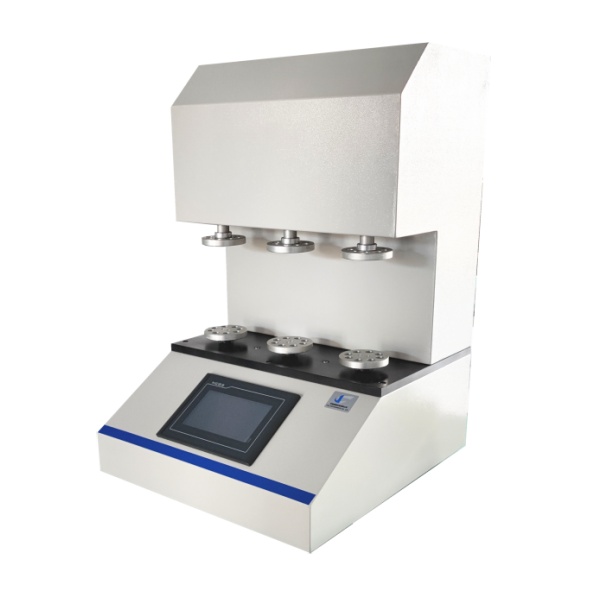
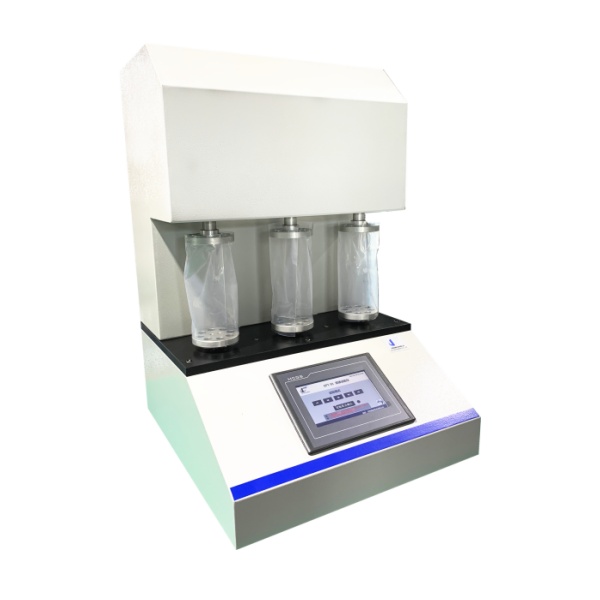
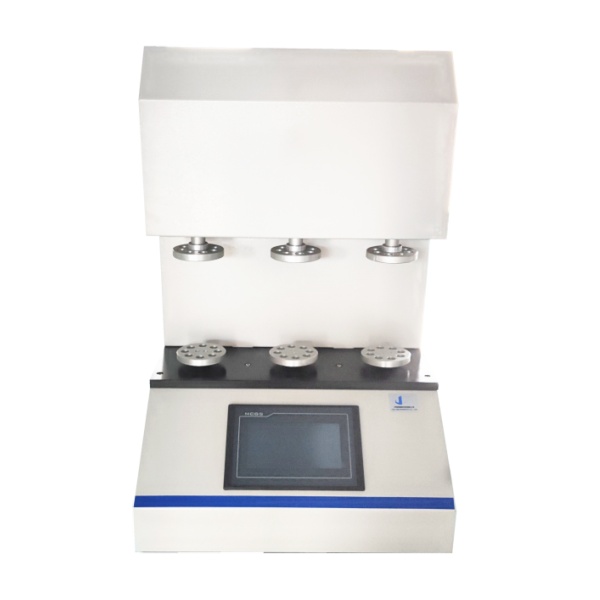
Testador de Flexão Gelbo GFT
- Padrão: Norma ASTM F392
- Fabricante: Instrumentos Celulares
- Aplicações: Materiais de embalagem, materiais para dispositivos médicos, testes farmacêuticos, adesivos, têxteis, recipientes de papel e papelão e muito mais.
- Personalização: Disponível para requisitos especiais de testes e transformações de automação
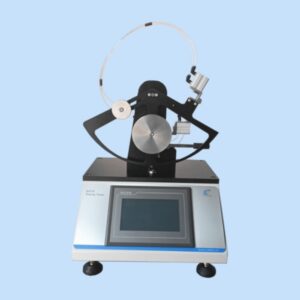
Introdução do Gelbo Flex Tester
O Testador Gelbo Flex é um instrumento especializado concebido para avaliar a durabilidade da flexão e integridade mecânica de materiais flexíveis, tais como películas de barreira, laminados e tecidos revestidos. Ao simular a torção e a deformação por compressão no mundo real, este aparelho de teste fornece informações críticas sobre a resistência das embalagens e dos materiais revestidos a formação de orifícios, fissuração, e degradação das propriedades de barreira. Normas como Norma ASTM F392 e ISO 7854 definir os métodos de ensaio que garantam a exatidão, a repetibilidade e a comparabilidade internacional.
O Testador Gelbo Flex, por vezes designada por testador de flexão de rugosidade ou testador de flexãoO sistema de medição de tensão, que funciona submetendo as amostras de teste a movimentos simultâneos de torção e compressão. Esta ação combinada reproduz a tensão mecânica que os materiais de embalagem flexíveis sofrem durante o enchimento, selagem, transporte e armazenamento.
O método de ensaio, geralmente conhecido como Método de ensaio Gelboavalia a capacidade de um material manter a integridade sob deformação cíclica. Os materiais que não passam neste teste desenvolvem frequentemente furos microscópicos ou fissuras que comprometem o desempenho da barreira da embalagem contra a transmissão de oxigénio, humidade ou gás.
Princípio do Gelbo Flex e normas conexas
Duas normas internacionais principais regem a avaliação da durabilidade da flexão: Norma ASTM F392 e ISO 7854.
Norma ASTM F392, intitulado Prática padrão para condicionamento de materiais de barreira flexíveis para durabilidade flexívelespecifica as condições de ensaio para avaliar a resistência dos materiais de embalagem flexíveis a furos induzidos por flexão e a falhas de barreira. Neste método, os espécimes são submetidos a flexões repetidas a 45 ciclos por minuto, envolvendo um Torção de 440° combinado com um 65 mm de movimento horizontal. O ensaio é efectuado em condições normalizadas de 23 ± 2°C e 50 ± 5% humidade relativa. Dependendo do nível de condicionamento pretendido, os ciclos de ensaio podem variar entre 20 a 2700, correspondendo a níveis A a E.
ISO 7854, Tecidos revestidos de borracha ou plástico - Determinação da resistência aos danos por flexãodefine três métodos de ensaio à flexibilidade. Método C, conhecido como o método de deformação/flexãoO princípio de Gelbo é muito semelhante ao princípio de Gelbo. Neste caso, um provete cilíndrico é sujeito a torção oscilante e compressão axialsimulando tensões de flexão reais para tecidos revestidos, materiais médicos e têxteis técnicos.
Em conjunto, estas normas estabelecem o procedimento Gelbo flex como a referência mundial para teste de durabilidade à flexão.
Como funciona o Gelbo Flex Tester
O Testador Gelbo Flex (por exemplo, o Testador de durabilidade GFT Flex por Instrumentos de Célula) funciona com elevada precisão para reproduzir os movimentos de flexão ASTM e ISO.
- Preparação da amostra: As amostras padrão são 200 × 280 mm, cortados tanto na direção da máquina como na direção transversal.
- Montagem: As amostras são fixadas ou aderidas aos mandris do aparelho de ensaio, formando uma forma cilíndrica para torção e compressão simultâneas.
- Ciclo de flexão: O examinador executa um Torção de 440° durante os primeiros 90 mm de curso, seguido de um Compressão linear de 65 mm, de forma consistente 45 ciclos por minuto.
- Seleção de modo: Os utilizadores podem selecionar entre cinco modos de teste programáveis (A-E) para se adaptar a diferentes tipos de materiais ou objectivos de ensaio.
- Avaliação de resultados: Após o condicionamento, os espécimes são inspeccionados quanto a furos, fissuras ou degradação da barreira, utilizando OTR (taxa de transmissão de oxigénio), WVTR (Taxa de Transmissão de Vapor de Água), ou GTR testes.
Este processo controlado permite aos laboratórios e às equipas de controlo de qualidade quantificar o resistência à flexão e prever o seu desempenho sob tensão mecânica no mundo real.
Principais caraterísticas e parâmetros principais
O Testador de Flexão Gelbo GFT série de Instrumentos de Célula oferece uma tecnologia avançada concebida para uma elevada precisão e facilidade de utilização:
- Controlo PLC e interface de ecrã tátil - Garante um controlo preciso do movimento, um funcionamento fácil de utilizar e a repetibilidade dos dados.
- Estações de teste múltiplas - Disponível com três ou quatro estações para testes paralelos e análises comparativas.
- Condições de teste programáveis - Suporta os modos A-E da norma ASTM F392 para testes versáteis, desde o rastreio rápido (20 ciclos) até à avaliação da resistência (2700 ciclos).
- Design mecânico duradouro - Concebida para estabilidade a longo prazo e conformidade com Norma ASTM F392 e ISO 7854 padrões.
- Fiabilidade de dados melhorada - Apoia a avaliação pós-teste de integridade da barreiraformação de orifícios e alterações da resistência mecânica.
| Testador de durabilidade GFT Gelbo Flex | ||
| Parâmetro | Modelo GFT-02 | Modelo GFT-01 |
| Ângulo de Flexão | 440° (90 mm) ou 400° (80 mm) | |
| Capacidade | 3,5 N.m | 2,5 Nm |
| Traço horizontal | 155 mm ou 80 mm | |
| Estações | 3 | 4 |
| Tamanho da amostra | 280 mm x 200 mm | |
| Poder | 110~220V | |
Aplicações do teste Gelbo Flex
Teste de flexão Gelbo é essencial nas indústrias em que os materiais flexíveis têm de manter a integridade da barreira e a qualidade estética após manuseamento repetido ou esforço mecânico. As principais áreas de aplicação incluem:
- Embalagens flexíveis para produtos alimentares, farmacêuticos e dispositivos médicos
- Tecidos e películas revestidos para utilizações industriais, têxteis e exteriores
- Laminados adesivos e estruturas compósitas
- Controle de qualidade em Laboratórios de I&D e agências de certificação
Ao identificar precocemente os pontos fracos, os fabricantes podem melhorar a formulação do material, a tecnologia de revestimento e os processos de laminação.
Perguntas frequentes
R: O Gelbo Flex Tester da Cell Instruments ostenta uma mistura única de engenharia de precisão e recursos de design inovadores. Da sua interface de usuário intuitiva aos seus recursos avançados de automação, cada aspecto é meticulosamente criado para otimizar o desempenho e a experiência do usuário. Além disso, sua compatibilidade com uma ampla gama de materiais e indústrias o diferencia como uma solução versátil para necessidades de testes de flex.
R: Ao submeter os materiais a testes de flexão rigorosos, o testador de durabilidade de flexão ajuda a identificar fraquezas e potenciais pontos de falha no início do processo de desenvolvimento. Essa abordagem proativa permite que os fabricantes resolvam os problemas antes que eles aumentem, resultando em produtos mais resilientes, confiáveis e, em última análise, de maior qualidade.
R: Com certeza! O Gelbo Flex Tester foi projetado para acomodar uma ampla gama de tamanhos e formatos de amostra, oferecendo flexibilidade e versatilidade em testes. Não importa se você está trabalhando com filmes pequenos e delicados ou materiais maiores e mais volumosos, nosso testador pode se adaptar para atender aos seus requisitos específicos de teste com facilidade.
R: A precisão é primordial com o testador de durabilidade flexível. Por meio de calibração meticulosa e construção robusta, garantimos que cada teste produza resultados consistentes e confiáveis. Além disso, nosso testador é projetado para minimizar fatores externos que podem influenciar os resultados do teste, aumentando ainda mais a precisão e a repetibilidade.
R: Na Cell Instruments, priorizamos a satisfação e o suporte ao cliente. Nossa equipe dedicada de suporte técnico está disponível para ajudar os usuários com quaisquer dúvidas, preocupações ou desafios técnicos que eles possam encontrar. Se você precisar de assistência com configuração, calibração ou solução de problemas, nossos especialistas estão aqui para fornecer suporte rápido e eficaz para garantir que seus processos de teste sejam executados sem problemas
Referência
Norma ASTM F392 Prática padrão para condicionamento de materiais de barreira flexíveis para durabilidade flexível
 PT
PT  EN
EN  ES
ES  DE
DE  FR
FR  IT
IT  AR
AR  KO
KO  JA
JA  RU
RU  VI
VI  ID
ID  BG
BG  CS
CS  DA
DA  EL
EL  ET
ET  FI
FI  HE
HE  HU
HU  LT
LT  LV
LV  NL
NL  PL
PL  RO
RO  SK
SK  SV
SV  SL
SL  UK
UK  TR
TR