

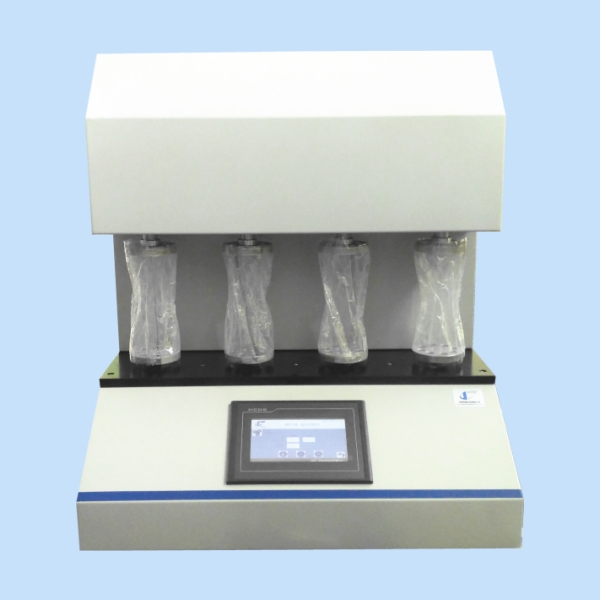
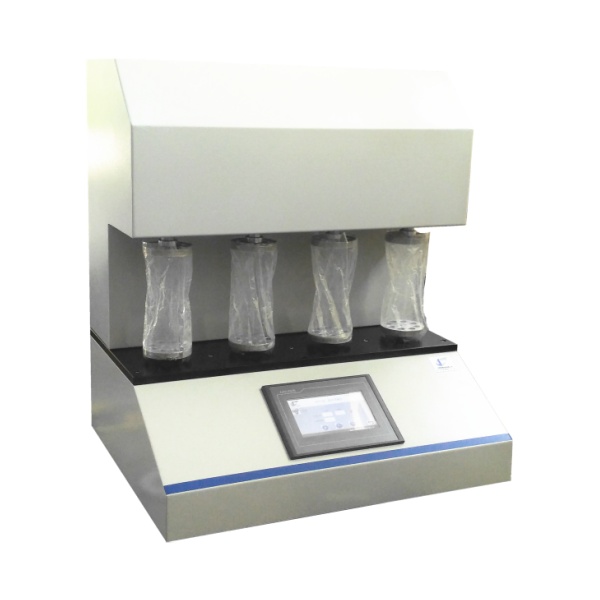
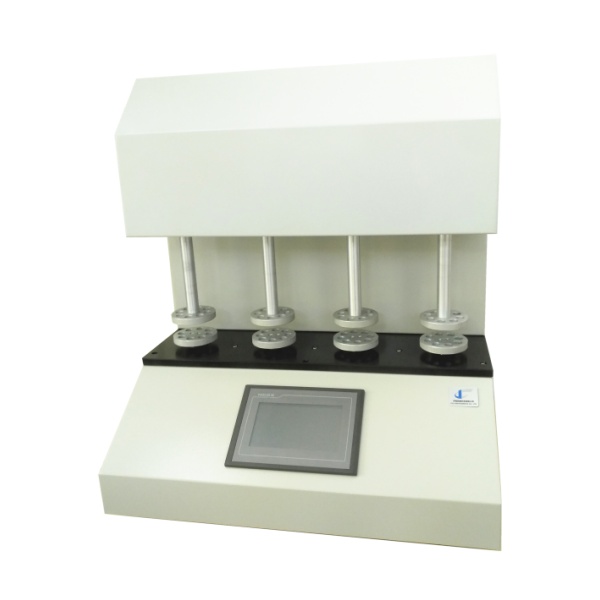
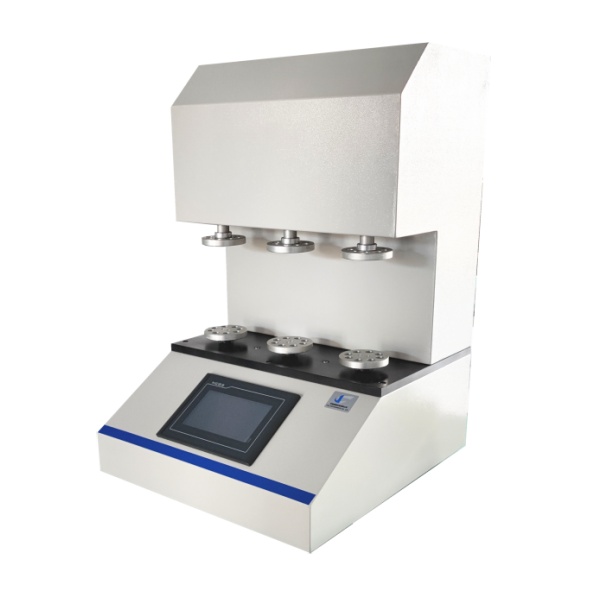
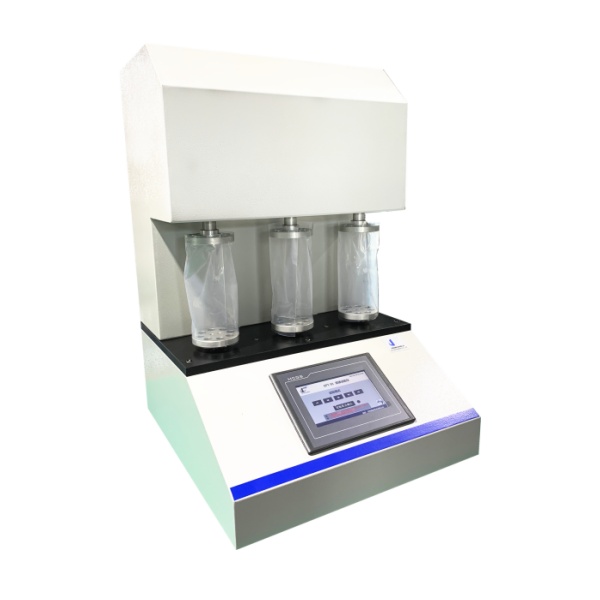
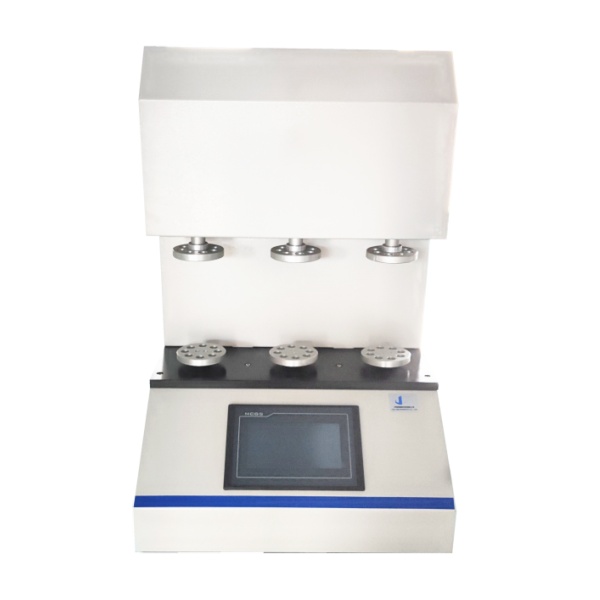
Tester GFT Gelbo Flex
- Standard: ASTM F392
- Producător: Instrumente celulare
- Aplicații: Materiale de ambalare, materiale pentru dispozitive medicale, teste farmaceutice, adezivi, textile, recipiente din hârtie și carton și multe altele.
- Personalizare: Disponibil pentru cerințe speciale de testare și transformări de automatizare
Prezentarea testerului Gelbo Flex
The Tester Gelbo Flex este un instrument special conceput pentru a evalua durabilitate flexibilă și integritatea mecanică a materialelor flexibile, cum ar fi foliile de barieră, laminatele și țesăturile acoperite. Prin simularea deformării prin răsucire și compresiune din lumea reală, acest aparat de testare oferă informații esențiale cu privire la rezistența ambalajelor și a materialelor acoperite la formarea de pinhole, crăpare, și degradarea proprietății de barieră. Standarde cum ar fi ASTM F392 şi ISO 7854 să definească metodele de testare care asigură acuratețea, repetabilitatea și comparabilitatea internațională.
The Tester Gelbo Flex, denumit uneori tester de flexie Rumple sau tester de flexie, funcționează prin supunerea epruvetelor la mișcări simultane de răsucire și comprimare. Această acțiune combinată reproduce stresul mecanic la care sunt supuse materialele flexibile de ambalare în timpul umplerii, sigilării, transportului și depozitării.
Metoda de testare, cunoscută în mod obișnuit ca Metoda de testare Gelbo, evaluează capacitatea unui material de a-și menține integritatea în condiții de deformare ciclică. Materialele care nu trec acest test dezvoltă adesea găuri microscopice sau fisuri care compromit performanța de barieră a ambalajului împotriva transmiterii de oxigen, umiditate sau gaze.
Principiul Gelbo Flex și standardele conexe
Două standarde internaționale principale reglementează evaluarea durabilității flexurilor: ASTM F392 şi ISO 7854.
ASTM F392, intitulat Practică standard pentru condiționarea materialelor de barieră flexibile pentru durabilitate flexibilăspecifică condițiile de încercare pentru evaluarea rezistenței materialelor de ambalare flexibile la găuri de ac induse de flexie și la ruperi de barieră. În această metodă, epruvetele sunt supuse unor flexiuni repetate la 45 de cicluri pe minut, care implică o Răsucire de 440° combinate cu un 65 mm mișcare orizontală. Testul este efectuat în condiții standard de 23 ± 2°C şi 50 ± 5% umiditate relativă. În funcție de nivelul de condiționare dorit, ciclurile de testare pot varia de la 20 până la 2700, corespunzătoare nivelurilor De la A la E.
ISO 7854, Țesături acoperite cu cauciuc sau materiale plastice - Determinarea rezistenței la deteriorare prin îndoiredefinește trei metode de testare a flexibilității. Metoda C, cunoscut sub numele de metoda crumple/flex, seamănă foarte mult cu principiul Gelbo. Aici, un specimen cilindric este supus la torsiune oscilantă și compresie axială, simulând stresul real de flexie pentru țesături acoperite, materiale medicale și textile tehnice.
Împreună, aceste standarde stabilesc procedura Gelbo flex ca fiind referința globală pentru testarea durabilității flexiei.
Cum funcționează testerul Gelbo Flex
The Tester Gelbo Flex (de exemplu Tester de durabilitate GFT Flex de Instrumente celulare) funcționează cu mare precizie pentru a reproduce mișcările de flexie ASTM și ISO.
- Pregătirea probei: Eșantioanele standard sunt 200 × 280 mm, tăiate atât în direcția mașinii, cât și în direcția transversală.
- Montare: Probele sunt prinse sau lipite de mandrinele testerului, formând o formă cilindrică pentru răsucire și compresie simultană.
- Ciclul de flexibilizare: Testerul execută o Răsucire de 440° în timpul primilor 90 mm ai cursei, urmată de o 65 mm compresie liniară, la un nivel consistent 45 de cicluri pe minut.
- Selectarea modului: Utilizatorii pot selecta din cinci moduri de testare programabile (A-E) pentru a se potrivi diferitelor tipuri de materiale sau obiective de testare.
- Evaluarea rezultatelor: După condiționare, epruvetele sunt inspectate pentru găuri, fisuri sau degradarea barierei folosind OTR (rata de transmitere a oxigenului), WVTR (rata de transmisie a vaporilor de apă), sau GTR teste.
Acest proces controlat permite laboratoarelor și echipelor de control al calității să cuantifice rezistență la flexie și să prezică performanța acestuia în condiții reale de stres mecanic.
Caracteristici principale și parametru principal
The Tester GFT Gelbo Flex serie de la Instrumente celulare oferă o tehnologie avansată concepută pentru precizie ridicată și ușurință în utilizare:
- Control PLC și interfață touchscreen - Asigură un control precis al mișcărilor, o utilizare ușoară și repetabilitatea datelor.
- Stații de testare multiple - Disponibil cu trei sau patru stații pentru teste paralele și analize comparative.
- Condiții de testare programabile - Suportă modurile ASTM F392 A-E pentru testare versatilă de la screening rapid (20 de cicluri) la evaluarea rezistenței (2700 de cicluri).
- Design mecanic durabil - Conceput pentru stabilitate pe termen lung și conformitate cu ASTM F392 şi ISO 7854 standardele.
- Fiabilitate sporită a datelor - Sprijină evaluarea post-test a integritatea barierei, formarea de pinhole și modificări ale rezistenței mecanice.
| Tester de durabilitate GFT Gelbo Flex | ||
| Parametru | Model GFT-02 | Model GFT-01 |
| Unghi flexibil | 440° (90 mm) sau 400° (80 mm) | |
| Capacitate | 3,5 N.m | 2,5 Nm |
| Cursa orizontală | 155 mm sau 80 mm | |
| Statii | 3 | 4 |
| Dimensiunea eșantionului | 280 mm x 200 mm | |
| Putere | 110~220V | |
Aplicații ale testării Gelbo Flex
Testarea flexului Gelbo este esențial în industriile în care materialele flexibile trebuie să-și păstreze integritatea barierei și calitatea estetică după manipulări repetate sau solicitări mecanice. Domeniile cheie de aplicare includ:
- Ambalaje flexibile pentru alimente, produse farmaceutice și dispozitive medicale
- Țesături și filme acoperite pentru utilizări industriale, textile și în exterior
- Laminate adezive şi structuri compozite
- Controlul calității în Laboratoare de cercetare și dezvoltare şi agenții de certificare
Prin identificarea timpurie a punctelor slabe, producătorii pot îmbunătăți formularea materialelor, tehnologia de acoperire și procesele de laminare.
Întrebări frecvente
R: Testerul Gelbo Flex de la Cell Instruments se mândrește cu un amestec unic de inginerie de precizie și caracteristici de design inovatoare. De la interfața intuitivă cu utilizatorul până la capacitățile sale avansate de automatizare, fiecare aspect este meticulos conceput pentru a optimiza performanța și experiența utilizatorului. În plus, compatibilitatea sa într-o gamă largă de materiale și industrii îl deosebește ca o soluție versatilă pentru nevoile de testare flexibilă.
R: Prin supunerea materialelor la teste riguroase de flexibilitate, testerul de durabilitate flexibilă ajută la identificarea punctelor slabe și potențialelor defecțiuni la începutul procesului de dezvoltare. Această abordare proactivă permite producătorilor să abordeze problemele înainte ca acestea să escaladeze, rezultând produse care sunt mai rezistente, mai fiabile și, în cele din urmă, de o calitate superioară.
A: Absolut! Testerul Gelbo Flex este proiectat pentru a se adapta la o gamă largă de dimensiuni și forme de eșantion, oferind flexibilitate și versatilitate în testare. Indiferent dacă lucrați cu filme mici, delicate sau materiale mai mari și voluminoase, testerul nostru se poate adapta cu ușurință pentru a îndeplini cerințele dumneavoastră specifice de testare.
R: Precizia este primordială cu testerul de durabilitate flex. Prin calibrare meticuloasă și construcție robustă, ne asigurăm că fiecare test oferă rezultate consistente și de încredere. În plus, testerul nostru este conceput pentru a minimiza factorii externi care ar putea influența rezultatele testelor, sporind și mai mult acuratețea și repetabilitatea.
R: La Cell Instruments, acordăm prioritate satisfacției și asistenței clienților. Echipa noastră dedicată de asistență tehnică este disponibilă pentru a ajuta utilizatorii cu orice întrebări, preocupări sau provocări tehnice pe care le pot întâmpina. Indiferent dacă aveți nevoie de asistență pentru configurare, calibrare sau depanare, experții noștri sunt aici pentru a vă oferi asistență promptă și eficientă pentru a vă asigura că procesele dumneavoastră de testare funcționează fără probleme.
Referinţă
ASTM F392 Practică standard pentru condiționarea materialelor de barieră flexibile pentru durabilitate flexibilă
 RO
RO  EN
EN  ES
ES  DE
DE  FR
FR  IT
IT  AR
AR  KO
KO  JA
JA  RU
RU  PT
PT  VI
VI  ID
ID  BG
BG  CS
CS  DA
DA  EL
EL  ET
ET  FI
FI  HE
HE  HU
HU  LT
LT  LV
LV  NL
NL  PL
PL  SK
SK  SV
SV  SL
SL  UK
UK  TR
TR