
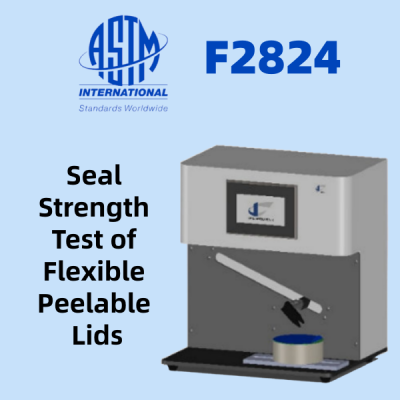
הבנת תקן ASTM F2824 בבדיקות מעשיות
ASTM F2824 מגדיר שיטה כמותית להערכת חוזק האטימה המכני של מכסים גמישים הניתנים לקילוף מיושם על מיכלים עגולים קשיחים או חצי-קשיחים. בניגוד לשיטות בדיקה של קילוף חלקי, תקן זה מתמקד ב- הסרת המכסה כולו, ובכך מספק הערכה מייצגת יותר של תקינות האריזה.
באריזות בעולם האמיתי — כגון גביעי יוגורט, קפסולות קפה או קערות לתרופות — התקלות כמעט אף פעם אינן מתרחשות בנקודה אחת בלבד. במקום זאת, הביצועים תלויים ב התנהגות אחידה של האטם לאורך כל ההיקף. תקן ASTM F2824 מטפל בכך באמצעות מדידה של:
- כוח רציף במהלך הקילוף
- עוצמת איטום מרבית
- העבודה הנדרשת כדי להפריד את המכסה לחלוטין
גישה הוליסטית זו הופכת את השיטה לרלוונטית ביותר עבור בקרת איכות ואימות מוצרים.
חוזק האיטום של מכסי קילוף: מדוע בדיקת מכסים מלאים היא חשובה
בדיקות חוזק אטמים מסורתיות (כגון שיטות המבוססות על רצועות) בוחנות רק אזורים מקומיים. עם זאת, חוזק איטום של מכסי קילוף תלוי במספר משתנים המשפיעים זה על זה:
- עקביות באיטום בחום
- תאימות חומרים (יריעה לעומת מיכל)
- ניקיון המשטח ואחידות הציפוי
על ידי בדיקת ה- מכסה שלם, תקן ASTM F2824 קובע:
- השונות לאורך משטח האיטום
- נקודות תורפה העלולות לגרום לדליפה
- ביצועי פתיחה בפועל על ידי משתמשים
דבר זה חיוני במיוחד בענפים שבהם תקלה באריזה עלולה לגרום לזיהום או לאובדן המוצר, כגון מזון ותרופות.
חוזק האיטום של מכסים גמישים הניתנים לקילוף: פרמטרים עיקריים
כדי להבטיח את יכולת השחזור, תקן ASTM F2824 קובע מספר פרמטרים קריטיים:
זווית הקילוף
- תנאי סטנדרטי: 45°
- ניתן להשתמש בנקודות מבט אחרות, אך יש לתעד אותן ולאמת אותן
שיעור ההפרדה
- מוגדר כ- 300 מ"מ/דקה (12 אינץ'/דקה)
- משפיע ישירות על ערכי הכוח הנמדדים
תפוקות נמדדות
- חוזק איטום ממוצע (כוח ממוצע)
- עוצמת איטום מרבית (כוח שיא)
- עבודה (אנרגיה) הנגזר מעקומת כוח-תזוזה
גיאומטריית הבדיקה
- מתמקד ב- מיכלים עגולים, אם כי עקרונות דומים חלים גם על צורות אחרות
פרמטרים אלה מבטיחים ש- עמידות האיטום של מכסים גמישים הניתנים לקילוף נמדד באופן עקבי בכל המעבדות.
נוהל בדיקת קילוף לפי תקן ASTM F2824
תהליך העבודה של תקן ASTM F2824 מתנהל על פי תהליך מובנה:
- הכנת דוגמא
- זהו את לשונית הקילוף ההתחלתית
- הגדר את קו הקילוף לאורך המיכל
- הגדרת לוח המשחקים
- הדקו את המכל היטב
- הדק את לשונית המכסה במתקן המתיחה
- הוֹצָאָה לְפוֹעַל
- יש לבצע קילוף מבוקר במהירות קבועה
- יש לשמור על זווית הקילוף שנקבעה
- איסוף נתונים
- כוח לעומת תזוזה
- יצירת עקומות בזמן אמת
- פרשנות התוצאה
- ניתוח כוחות שיא וכוחות ממוצעים
- הערכת אחידות האטם ואופן הכשל
ביצוע מדויק תלוי במידה רבה ב- דיוק המכשיר ויציבות המתקן.
בודק קילוף מכסי כוסות: בחירת ציוד וביצועים
א מכשיר לבדיקת קילוף מכסי כוסות ממלא תפקיד מכריע בהשגת תוצאות אמינות לפי תקן ASTM F2824. המכשיר חייב לספק:
- בקרת תנועה יציבה
- מדידת כוח מדויקת
- זווית קילוף ומהירות קבועות
ה מכשירי תא CCPT-01 – מכשיר לבדיקת קילוף כוסות ומכלים תוכנן במיוחד ליישומים מסוג זה. הוא תומך ב:
- קילוף מכסה מלא במגוון צורות מיכלים
- הצגת עקומת הכוח בזמן אמת לניתוח מעמיק
- חישוב אוטומטי של הערכים המקסימליים, המינימליים והממוצעים
- מתקנים מותאמים אישית (למשל, הידוק בוואקום לכוסות ג'לי)
המערכת המנוהלת באמצעות בקר PLC והמבנה המכני המדויק מבטיחים יכולת שחזור ועמידה בדרישות תקן ASTM F2824, מה שהופך אותו למתאים הן למחקר ופיתוח והן לבקרת איכות שוטפת.
ASTM F2824 לעומת שיטות בדיקה של איטום חלקי
נקודת בלבול נפוצה היא ההבדל בין תקן ASTM F2824 לבין בדיקות המבוססות על רצועות:
| היבט | ASTM F2824 | בדיקת אטימות חלקית |
|---|---|---|
| אזור בדיקה | מכסה שלם | המדור המקומי |
| סוג הנתונים | רציף + שיא | כוח מקומי |
| בַּקָשָׁה | אימות סופי של החבילה | השוואת חומרים |
| דִיוּק | רמה גבוהה (סימולציה של שימוש אמיתי) | מוגבל |
עבור אימות ביצועים בשימוש סופי, תקן ASTM F2824 מספק תובנות מעשיות בהרבה.
השג פתרון בדיקה לפי תקן ASTM F2824
יש להקפיד על הערכה מדויקת של חוזק האיטום של מכסה הקילוף באמצעות ASTM F2824בדיקות תאימות. באמצעות מדידת כוח ההפרדה של המכסה הסגור, שיטה זו מספקת תובנות חיוניות לגבי אחידות האיטום, ביצועי הפתיחה ואמינות האריזה. בעזרת פתרונות מתקדמים כמו ה- CCPT-01 – מכשיר לבדיקת קילוף מכסי כוסות, תוכלו להשיג תוצאות מדויקות וניתנות לשחזור ולשפר את יעילות בקרת האיכות. צרו קשר עם Cell Instruments כדי לייעל את תהליך הבדיקה שלכם ולהבטיח שהאריזות שלכם עומדות בתקני התעשייה.
שאלות נפוצות
במה שונה תקן ASTM F2824 מתקן ASTM F88?
ASTM F2824 מנתח את החותם כולו, בעוד תקן ASTM F88 בודק רק חלק, מה שהופך את ה-F2824 למייצג יותר את ביצועי האריזה בפועל.
מדוע זווית הקילוף של 45° חשובה?
הוא אחיד את תנאי הבדיקה ומבטיח תוצאות דומות, אם כי ניתן להשתמש בזוויות אחרות, בתנאי שהן מאומתות.
מה מייצג המושג “עבודה” במבחן?
הכוונה היא ל- סך האנרגיה הנדרשת להסרת המכסה, המחושב על סמך עקומת הכוח-תזוזה.
האם ניתן לבדוק מיכלים שאינם עגולים?
התקן מתמקד במיכלים עגולים, אך ניתן להתאים מתודולוגיות דומות עבור צורות אחרות עם אימות מתאים.
כיצד אוכל להבטיח תוצאות עקביות?
השתמש במכשיר מכויל מכשיר לבדיקת קילוף מכסי כוסות, להקפיד על הכנה אחידה של הדגימות, ולפקח בקפדנות על פרמטרי הבדיקה.
 HE
HE  EN
EN  ES
ES  DE
DE  FR
FR  IT
IT  AR
AR  KO
KO  JA
JA  RU
RU  PT
PT  VI
VI  ID
ID  BG
BG  CS
CS  DA
DA  EL
EL  ET
ET  FI
FI  HU
HU  LT
LT  LV
LV  NL
NL  PL
PL  RO
RO  SK
SK  SV
SV  SL
SL  UK
UK  TR
TR  BE
BE  BS
BS  HI
HI  HR
HR  KK
KK  ML
ML  MY
MY  NN
NN  SR
SR  TA
TA  UZ
UZ  SQ
SQ  TH
TH