
पेय पदार्थ, फार्मास्यूटिकल्स, खाद्य पदार्थ और दैनिक रसायनों जैसी उद्योगों में, कंटेनरों की अखंडता बनाए रखना आवश्यक है।. बोतल रिसाव परीक्षण यह सुनिश्चित करता है कि बोतलें ऐसे रिसाव से मुक्त हों जो उत्पाद की गुणवत्ता, भंडारण अवधि और उपभोक्ता सुरक्षा को प्रभावित कर सकते हैं। मानकीकृत परीक्षण प्रक्रियाओं को लागू करके, निर्माता कमजोर सील, सूक्ष्म छिद्र या बंद करने में हुई विफलताओं की पहचान उत्पाद बाजार में आने से पहले कर सकते हैं। गुणवत्ता नियंत्रण टीमों के लिए रिसाव का पता लगाने के तरीकों और मानकों को समझना रिकॉल को रोकने और ब्रांड की प्रतिष्ठा की रक्षा करने में महत्वपूर्ण है।.
बोतल रिसाव परीक्षण क्यों महत्वपूर्ण है
बोतलों में रिसाव से संदूषण, खराब होना, शेल्फ लाइफ में कमी या यहां तक कि नियामक अनुपालनहीनता हो सकती है। उत्पाद सुरक्षा से परे, विश्वसनीय बोतल रिसाव परीक्षण यह क्षतिग्रस्त पैकेजिंग के कारण होने वाले अपशिष्ट को कम करके सततता में भी भूमिका निभाता है। फार्मास्यूटिकल्स और मेडिकल पैकेजिंग जैसे अत्यधिक विनियमित क्षेत्रों में, रिसाव अखंडता वैकल्पिक नहीं है—अंतर्राष्ट्रीय सुरक्षा मानकों को पूरा करना अनिवार्य है।.
सामान्य बोतल रिसाव परीक्षण प्रक्रिया
ए बोतल रिसाव परीक्षण प्रक्रिया आमतौर पर बोतलों को उनकी सीलिंग और संरचनात्मक प्रदर्शन का मूल्यांकन करने के लिए नियंत्रित तनाव स्थितियों के अधीन किया जाता है। उत्पाद के प्रकार के आधार पर परीक्षणों में वैक्यूम विधियाँ, बुलबुला उत्सर्जन परीक्षण या वैक्यूम क्षय का पता लगाना शामिल हो सकता है।.
सामान्य चरणों में शामिल हैं:
- तैयारीबोतल या कंटेनर को सीलबंद परीक्षण कक्ष के अंदर रखें।.
- दबाव/वैक्यूम का अनुप्रयोगचुने गए मानक के अनुसार वैक्यूम या दबाव लागू करें।.
- पहचानलीकेज का संकेत देने वाले बुलबुले के उत्सर्जन, दबाव में परिवर्तन, या वैक्यूम क्षय की निगरानी करें।.
- मूल्यांकनपैकेजिंग की अखंडता आवश्यकताओं को पूरा करती है या नहीं, यह निर्धारित करने के लिए परिणामों को रिकॉर्ड और विश्लेषण करें।.
बोतलों के लिए वैक्यूम लीक परीक्षण
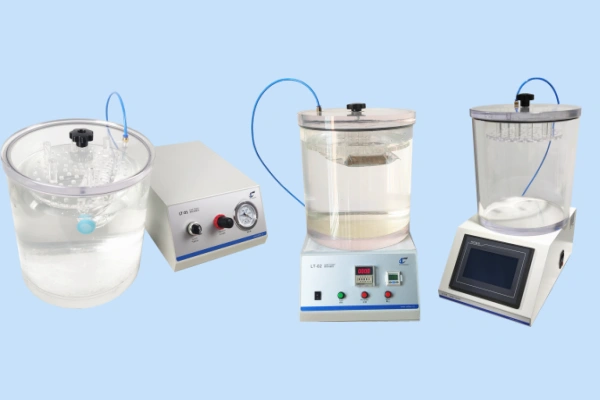
The बोतलों के लिए वैक्यूम लीक परीक्षण यह व्यापक रूप से उपयोग किया जाता है क्योंकि यह छोटे रिसावों का भी पता लगा सकता है। यह विधि उन परिस्थितियों का अनुकरण करती है जो बोतलों को भंडारण, परिवहन या उच्च ऊँचाइयों पर अनुभव करनी पड़ सकती हैं। बोतल के चारों ओर निर्वात बनाकर, यह परीक्षण बुलबुले के अवलोकन या सटीक दबाव मापन के माध्यम से रिसाव बिंदुओं की पहचान करता है। यह गैर-विनाशकारी या विनाशकारी दृष्टिकोण चयनित ASTM मानक पर निर्भर करता है।.
बोतल रिसाव परीक्षण के लिए एएसटीएम मानक
वैश्विक एकरूपता सुनिश्चित करने के लिए, कई ASTM मानक बोतलों और पैकेजिंग के लिए रिसाव का पता लगाने के तरीकों को परिभाषित करते हैं।.
- एएसटीएम डी3078यह बुलबुला उत्सर्जन विधि पर केंद्रित है, जो लचीली पैकेजिंग के लिए आदर्श है लेकिन कुछ बोतल अनुप्रयोगों के लिए भी अनुकूलित की जा सकती है। पैकेज को पानी में डुबोया जाता है और वैक्यूम लागू किया जाता है, और बुलबुलों की धाराएं रिसाव के बिंदुओं को प्रकट करती हैं।.
- एएसटीएम डी4991: यह खाली कठोर कंटेनरों (जैसे कांच या प्लास्टिक की बोतलें) का वैक्यूम विधि द्वारा रिसाव परीक्षण निर्दिष्ट करता है। यह विशेष रूप से पेय और फार्मास्यूटिकल बोतलों के लिए प्रासंगिक है।.
- एएसटीएम डी5094थ्रेडेड या लग-स्टाइल क्लोज़र वाले कंटेनरों से बड़े पैमाने पर रिसाव का पता लगाने के तरीकों का वर्णन करता है, जो वास्तविक परिस्थितियों में क्लोज़र की अखंडता सुनिश्चित करते हैं।.
- एएसटीएम डी6653यह कम वायुमंडलीय दबाव का अनुकरण करके उच्च ऊंचाई या निम्न दबाव वाले वातावरण के पैकेजिंग प्रणालियों पर प्रभाव का मूल्यांकन करता है। यह हवाई मार्ग से भेजी जाने वाली बोतलों के लिए अत्यंत महत्वपूर्ण है।.
- एएसटीएम एफ2338यह रिसाव का पता लगाने के लिए एक गैर-विनाशकारी वैक्यूम क्षय विधि प्रदान करता है। यह विधि अत्यधिक संवेदनशील है और उन फार्मास्यूटिकल एवं चिकित्सा अनुप्रयोगों में प्राथमिकता दी जाती है जहाँ उत्पाद की जीवाणुहीनता बनाए रखना महत्वपूर्ण होता है।.
सही बोतल रिसाव परीक्षण विधि का चयन
किसी विधि के चयन का निर्भरता कई कारकों पर होती है:
- बोतल की सामग्री (काँच, पीईटी, एचडीपीई, आदि)
- बंद करने का प्रकार (स्क्रू कैप, लग, या स्नैप-ऑन)
- उत्पाद की सामग्री (कार्बोनेटेड पेय, दवा, रसायन)
- उद्योग अनुपालन आवश्यकताएँ
उदाहरण के लिए, खाद्य और पेय पदार्थ कंपनियां अक्सर ASTM D4991 जैसी वैक्यूम विधियों को प्राथमिकता देती हैं, जबकि फार्मास्यूटिकल निर्माता गैर-विनाशकारी अखंडता परीक्षण के लिए ASTM F2338 पर निर्भर करते हैं।.
बोतल रिसाव परीक्षण यह केवल एक अनुपालन आवश्यकता ही नहीं है, बल्कि उत्पाद की अखंडता, सुरक्षा और ब्रांड के प्रति विश्वास बनाए रखने के लिए एक महत्वपूर्ण कदम भी है। ASTM D3078, D4991, D5094, D6653, और F2338 में उल्लिखित मानकीकृत प्रक्रियाओं का पालन करके, निर्माता महंगी विफलताओं को रोक सकते हैं और पैकेजिंग की विश्वसनीयता बढ़ा सकते हैं। Cell Instruments™ लीक टेस्टर्स जैसे आधुनिक समाधानों के साथ, कंपनियाँ नियामक और ग्राहक दोनों की अपेक्षाओं को पूरा करने के लिए सटीक, कुशल और विश्वसनीय परीक्षण प्राप्त कर सकती हैं।.
 HI
HI  EN
EN  ES
ES  DE
DE  FR
FR  IT
IT  AR
AR  KO
KO  JA
JA  RU
RU  PT
PT  VI
VI  ID
ID  BG
BG  CS
CS  DA
DA  EL
EL  ET
ET  FI
FI  HE
HE  HU
HU  LT
LT  LV
LV  NL
NL  PL
PL  RO
RO  SK
SK  SV
SV  SL
SL  UK
UK  TR
TR  BE
BE  BS
BS  HR
HR  KK
KK  ML
ML  MY
MY  NN
NN  SR
SR  TA
TA  UZ
UZ  SQ
SQ  TH
TH