
Auduma plīšanas izturības standarts: Tekstilmateriālu izturības atslēga
The auduma plīšanas izturības standarts palīdz noteikt audumu spēju izturēt spēku, kas izraisa plīsumus, kas ir būtiska īpašība materiāliem, kurus izmanto tādos izstrādājumos kā apģērbi, gaisa spilvenu audumi, segas un citi tekstilizstrādājumi. ASTM D5587 sniedz detalizētu metodiku šo testu veikšanai, piedāvājot standartizētu pieeju dažādu materiālu un ražošanas partiju izturības pret plīsumiem salīdzināšanai.
Izmantojot trapecveida metodi, audumi tiek pakļauti spriegojumam pa noteiktu ceļu, ļaujot plīsumam izplatīties visā parauga platumā. Šis tests ir būtisks, lai izprastu materiāla izturību, jo īpaši kritiskos lietojumos, kur auduma integritāte jāsaglabā sprieguma apstākļos.
ASTM D5587 testēšanas procedūra
The ASTM D5587 Standartā ir aprakstīta procedūra, kā mērīt tekstilmateriālu plīšanas izturību, un tā ir šāda:
Testēšanas aprīkojums
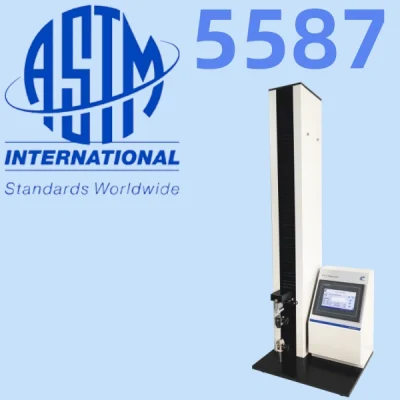
Lai veiktu ASTM D5587 testēšanu, ieteicamā testēšanas iekārta ir CRE tipa stiepes testēšanas iekārta. Ar šo aprīkojumu piemēro kontrolētu, nemainīgu izstiepšanas ātrumu, kas ļauj precīzi izmērīt auduma pārraušanai vajadzīgo spēku.
Testa parauga sagatavošana
Testa metodi piemēro dažādiem audumu veidiem, tostarp audumiem no auduma, gaisa spilvenu audumiem un audumiem ar plūksnu, kā arī citiem audumiem. Audumi var būt apstrādāti vai neapstrādāti, un ir sniegti norādījumi, kā testēt gan mitrus, gan sausus paraugus. Gatavojoties testēšanai, audumi jākondicionē standarta atmosfērā, kā norādīts praksē D1776, lai nodrošinātu testēšanas viendabīgumu.
Pārrāvuma stiprības aprēķins
Lai noteiktu plīšanas izturību, tiek izmantoti divi galvenie aprēķini:
Viena maksimuma spēks: Ar šo metodi mēra vislielāko spēku, kas nepieciešams, lai sāktu plīsumu.
Piecu augstāko virsotņu vidējais rādītājs: Ar šo metodi aprēķina vidējo spēku no pieciem augstākajiem maksimumiem plīšanas procesā.
Šīs vērtības palīdz novērtēt auduma veiktspēju normālos lietošanas apstākļos, imitējot spēkus, ar kuriem tas saskaras reālos apstākļos.
Kāpēc ir svarīga auduma plīšanas izturība
Izpratne par auduma plīšanas izturība ir būtiska vairāku iemeslu dēļ:
Kvalitātes kontrole: ASTM D5587 palīdz ražotājiem nodrošināt audumu atbilstību kvalitātes standartiem, garantējot, ka tie ir pietiekami izturīgi, lai izturētu lietošanas laikā radušos slodzi.
Produkta veiktspēja: Tādiem izstrādājumiem kā gaisa spilveni, drošības aprīkojums un āra inventārs auduma izturība pret plīsumiem ir būtisks faktors, lai nodrošinātu drošību un uzticamību.
Izmaksu efektivitāte: Pārbaudot auduma plīšanas izturību, ražotāji var izvairīties no dārgiem defektiem un preču atgriešanas, jo jau ražošanas procesa sākumā var identificēt vājus audumus.
Kondicionēšanas nozīme testēšanā
Pareiza kondicionēšana auduma paraugiem ir izšķiroša nozīme, lai iegūtu precīzus testa rezultātus. ASTM D5587 nosaka, ka audums pirms testēšanas ir iepriekš jākondicionē, lai aptuveni panāktu mitruma līdzsvaru. Tas palīdz ņemt vērā vides faktorus, kas var ietekmēt auduma plīšanas izturību, nodrošinot konsekventus un ticamus datus.
Sazinieties ar mums Iegūstiet ASTM D5587 testēšanas risinājumu
ASTM D5587 ir būtisks standarts, lai novērtētu audumu plīšanas izturība. Izprotot un ievērojot šo testa metodi, tekstilizstrādājumu ražotāji un kvalitātes kontroles darbinieki var nodrošināt, ka viņu izstrādājumi atbilst nepieciešamajiem izturības un veiktspējas standartiem. Izmantojot pareizos rīkus un aprīkojumu, piemēram, tos, ko piedāvā Šūnu instrumenti, uzņēmumi var optimizēt savas testēšanas procedūras un saglabāt visaugstāko kvalitātes līmeni visās produktu līnijās.
FAQ
1. jautājums: Kas ir ASTM D5587?
A1: ASTM D5587 ir standarta testa metode, ko izmanto, lai noteiktu tekstilmateriālu plīšanas izturību, izmantojot trapecveida metodi. Šo testu parasti veic, izmantojot stiepes testēšanas iekārtu ar nemainīgu stiepes ātrumu (CRE), kas palīdz noteikt, cik lielu spēku audums var izturēt, pirms tas saplēšas. Tā ir būtiska procedūra audumu ražotājiem un kvalitātes kontroles komandām, lai pārliecinātos, ka viņu izstrādājumi atbilst izturības standartiem.
2. jautājums: Ko mēra ar ASTM D5587 testu?
A2: ASTM D5587 tests mēra audumu plīšanas izturība, kas ir spēks, kas vajadzīgs, lai pārplēstu auduma paraugu. Testu veic, izmantojot trapecveida procedūru, kad audumam piemēro kontrolētu, nemainīgu stiepšanas ātrumu, līdz tas plīst. Testa rezultātus var izmantot, lai novērtētu auduma izturību un prognozētu, kā materiāls darbosies lietošanas laikā.
3. jautājums: Kādus audumu veidus var izmantot testēti, izmantojot ASTM D5587?
A3: ASTM D5587 var izmantot visdažādākajiem audumiem, tostarp. austi audumi, trikotāžas audumi, gaisa spilvenu audumi, segas, audumi ar nappingu, daudzslāņaini audumi, un plūksnotie audumi. Tests ir piemērots gan neapstrādāts un apstrādāti audumi, un to var veikt slapjš vai sausie paraugi atkarībā no materiāla paredzētā lietojuma.
4. jautājums: Kā saskaņā ar ASTM D5587 tiek aprēķināta pārraušanas izturība?
A4: In ASTM D5587, plīšanas izturība aprēķina divējādi:
Viena maksimuma spēks: Lielākais spēks, kas nepieciešams, lai sāktu plīsumu.
Piecu augstāko virsotņu vidējais rādītājs: Vidējais spēks no pieciem augstākajiem punktiem plīšanas procesa laikā.
Šie aprēķini palīdz noteikt auduma spēju izturēt slodzi un sniedz ieskatu par tā izturību.
5. jautājums: Kāpēc ir svarīga auduma plīšanas izturība?
A5: Auduma plīšanas izturība ir ļoti svarīga, lai novērtētu materiāla izturība un veiktspēja dažādos lietojumos. Piemēram. drošības aprīkojums tāpat kā gaisa spilveniem, audumiem ir jāiztur liels spēks, tos nesaraujot. Pārbaudot izturību pret plīsumiem, ražotāji var nodrošināt, ka to izstrādājumi lietošanas laikā neizteiksies, tādējādi uzlabojot drošību, uzticamību un klientu apmierinātību.
6. jautājums: Kā Cell Instruments asaru testeris atbalsta ASTM D5587?
A6: Šūnu instrumenti nodrošina augstas precizitātes asaru testeri kas ir izstrādāti, lai atbilstu ASTM D5587. Mūsu testēšanas iekārtas piedāvā konsekventus, uzticamus rezultātus ar pielāgojamiem iestatījumiem, kas ļauj testēt plašu audumu klāstu. Mūsu aprīkojums palīdz racionalizēt testēšanas procesu, nodrošinot precīzus mērījumus un atbilstību nozares standartiem, tādējādi atbalstot tekstilizstrādājumu ražotāju kvalitātes kontroles centienus.
 LV
LV  EN
EN  ES
ES  DE
DE  FR
FR  IT
IT  AR
AR  KO
KO  JA
JA  RU
RU  PT
PT  VI
VI  ID
ID  BG
BG  CS
CS  DA
DA  EL
EL  ET
ET  FI
FI  HE
HE  HU
HU  LT
LT  NL
NL  PL
PL  RO
RO  SK
SK  SV
SV  SL
SL  UK
UK  TR
TR  BE
BE  BS
BS  HI
HI  HR
HR  KK
KK  ML
ML  MY
MY  NN
NN  SR
SR  TA
TA  UZ
UZ  SQ
SQ