
ബോക്സ് കംപ്രഷൻ ടെസ്റ്റർ: ASTM D642 നിലവാരങ്ങൾ ഉപയോഗിച്ച് പാക്കേജിംഗിന്റെ ബലം ഉറപ്പാക്കുന്നു
ബോക്സ് കംപ്രഷൻ ടെസ്റ്റർ: പാക്കേജിംഗിന്റെ ഈടുറപ്പ് ഉറപ്പാക്കുന്നതിനുള്ള ഒരു നിർണ്ണായക ഉപകരണം
ഇന്നത്തെ ആഗോള വിപണിയിൽ, പാക്കേജിംഗ് എന്നത് കേവലം സൗന്ദര്യപരമായ ഒരു കാര്യം മാത്രമല്ല; ഉൽപ്പന്നങ്ങൾ യാത്രയ്ക്കിടയിൽ കേടുകൂടാതെ സൂക്ഷിക്കുന്നു എന്ന് ഉറപ്പാക്കുക കൂടിയാണ്. ബോക്സ് കംപ്രഷൻ ടെസ്റ്റർ ഷിപ്പിംഗ് കണ്ടെയ്നറുകളുടെ ഒതുക്കം സഹിക്കാനുള്ള കഴിവ് അളക്കുന്നതിനുള്ള ഒരു സുപ്രധാന ഉപകരണമാണിത്. സംഭരണത്തിനും വിതരണത്തിനും ഇടയിൽ അവ നേരിടുന്ന മർദ്ദത്തെ പ്രതിരോധിക്കാൻ അവയ്ക്ക് കഴിയുമെന്ന് ഇത് ഉറപ്പാക്കുന്നു. നിങ്ങൾ പാക്കേജിംഗ്, ഭക്ഷ്യ, മെഡിക്കൽ, അല്ലെങ്കിൽ ഫാർമസ്യൂട്ടിക്കൽ വ്യവസായത്തിലാണെങ്കിലും, ഉൽപ്പന്നത്തിന്റെ അഖണ്ഡത നിലനിർത്തുന്നതിന് ബോക്സ് കംപ്രഷൻ ടെസ്റ്റിംഗിന്റെ പ്രാധാന്യം മനസ്സിലാക്കേണ്ടത് അത്യാവശ്യമാണ്.
ASTM D642: ബോക്സ് കംപ്രഷൻ ടെസ്റ്റിംഗിനുള്ള മാനദണ്ഡം
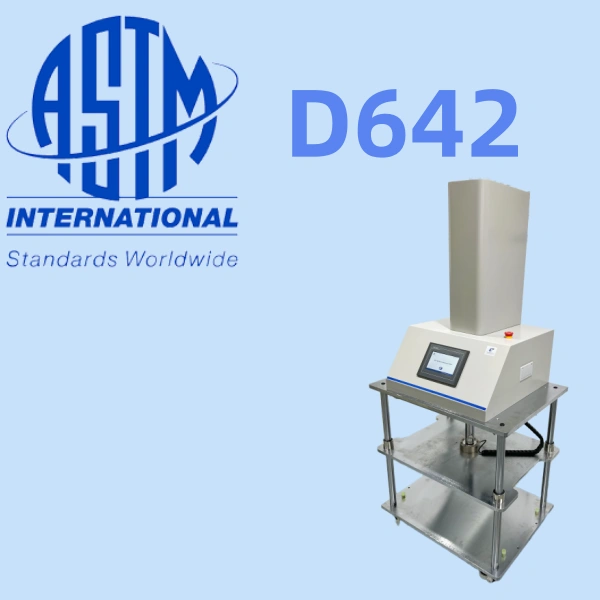
ദി ASTM D642 ബോക്സുകൾ, കാർട്ടണുകൾ, ഡ്രമ്മുകൾ തുടങ്ങിയ ഷിപ്പിംഗ് കണ്ടെയ്നറുകളുടെ അമർത്തൽ ബലം പരിശോധിക്കുന്നതിന് ഉപയോഗിക്കുന്ന പ്രാഥമിക മാനദണ്ഡമാണിത്. ഒരു കണ്ടെയ്നർ തകരാറിലാകുന്നതിന് മുമ്പ് എത്രമാത്രം അമർത്തൽ ബലം അതിന് താങ്ങാനാകുമെന്ന് ഈ പരിശോധന അളക്കുന്നു. സംഭരണം, അടുക്കൽ, ഷിപ്പിംഗ് എന്നിവയുടെ സമയത്ത് യഥാർത്ഥ സാഹചര്യങ്ങളിൽ കണ്ടെയ്നറുകൾ അനുഭവിക്കുന്ന മർദ്ദങ്ങൾ അനുകരിക്കുന്നതിനുള്ള ഒരു രീതി ASTM D642 മാനദണ്ഡം നൽകുന്നു.
ഈ പരീക്ഷണ രീതി, ഉള്ളടക്കമുള്ളതും ഇല്ലാത്തതുമായ പാത്രങ്ങൾക്ക് ഒരുപോലെ ബാധകമായതിനാൽ, വിവിധ പാക്കേജിംഗ് സാഹചര്യങ്ങൾക്ക് ഇത് വളരെ വൈവിധ്യമാർന്നതാണ്. കോറഗേറ്റഡ് ബോക്സുകൾ, പേപ്പർബോർഡ്, അല്ലെങ്കിൽ മറ്റ് മെറ്റീരിയലുകൾ നിർമ്മിക്കുന്നവർക്ക്, പാക്കേജിംഗിന് ഗതാഗതത്തിലെ ഭൗതിക സമ്മർദ്ദങ്ങളെ അതിജീവിക്കാൻ കഴിയുമെന്ന് ഉറപ്പാക്കാൻ ASTM D642-മായി പൊരുത്തപ്പെടേണ്ടത് അത്യാവശ്യമാണ്.
ഒരു ബോക്സ് കംപ്രഷൻ ടെസ്റ്റർ എങ്ങനെയാണ് പ്രവർത്തിക്കുന്നത്?
ദി ബോക്സ് കംപ്രഷൻ ടെസ്റ്റർ ഒരു പെട്ടിയിൽ സമ്മർദ്ദം പ്രയോഗിച്ചാണ് ഇത് പ്രവർത്തിക്കുന്നത്, പെട്ടി തകരാറിലാകുകയോ രൂപഭേദം സംഭവിക്കുകയോ ചെയ്യുന്നത് വരെ ഈ ബലം ക്രമേണ വർദ്ധിപ്പിക്കുന്നു. പരാജയം പലപ്പോഴും നിർണ്ണയിക്കുന്നത്, പെട്ടിക്ക് താങ്ങാനാവുന്ന പരമാവധി ഭാരത്തിൽ ഒരു കുറവ് സംഭവിക്കുമ്പോഴോ അല്ലെങ്കിൽ ഒരു രൂപഭേദ പരിധിയിലെത്തുമ്പോഴോ ആണ്. ഈ രൂപഭേദ പരിധി, പരമാവധി ഭാരത്തിൽ 10% കുറവോ അല്ലെങ്കിൽ ¾ ഇഞ്ച് (19 മിമി) രൂപഭേദമോ ആയി നിർവചിക്കാവുന്നതാണ്.
ബോക്സ് കംപ്രഷൻ ടെസ്റ്റിംഗിന്റെ പ്രധാന സവിശേഷതകൾ
- പരീക്ഷണ രീതികൾമുഖാമുഖമായോ, വശങ്ങളോടോ വശങ്ങളോടോ, അല്ലെങ്കിൽ കോണുകളോടോ കോണുകളോടോ ഭാരം പ്രയോഗിച്ച് സമ്മർദ്ദ പ്രതിരോധം പരീക്ഷിക്കുന്നു. സംഭരണത്തിനും ഗതാഗതത്തിനും ഇടയിൽ ഒരു പെട്ടിക്ക് പുറത്തുനിന്നുള്ള ബലങ്ങൾ ഏൽക്കാൻ സാധ്യതയുള്ള വിവിധ സാഹചര്യങ്ങളെ ഓരോ രീതിയും അനുകരിക്കുന്നു.
- സ്ഥിരവും തിരിക്കാവുന്നതുമായ പ്ലാറ്റനുകൾ: കംപ്രഷൻ ടെസ്റ്ററുകൾ സാധാരണയായി ഫിക്സഡ് അല്ലെങ്കിൽ സ്വിവൽ പ്ലാറ്റനുകൾ ഉപയോഗിക്കുന്നു. ഒരു ഫിക്സഡ് പ്ലാറ്റൻ സ്ഥിരമായ ഫലങ്ങൾ നൽകുന്നു, പ്രത്യേകിച്ച് എഡ്ജ്-ടു-എഡ്ജ് ടെസ്റ്റിംഗിൽ. അതേസമയം, ഒരു സ്വിവൽ പ്ലാറ്റൻ ബോക്സിന്റെ ഏറ്റവും ബലഹീനമായ ഭാഗത്തിനനുസരിച്ച് ക്രമീകരിക്കുകയും, ടെസ്റ്റുകൾക്കിടയിൽ കൂടുതൽ കൃത്യമായ പരാജയ ബിന്ദു നൽകുകയും ചെയ്യുന്നു.
- മുൻകൂട്ടി ലോഡ് ചെയ്യാനുള്ള ശുപാർശകൾ: വ്യത്യസ്ത തരം ബോക്സുകൾക്ക് (സിംഗിൾ, ഡബിൾ, അല്ലെങ്കിൽ ട്രിപ്പിൾ-വാൾ), പ്രീ-ലോഡ് ശക്തികൾ വ്യത്യാസപ്പെടുന്നു. ഉദാഹരണത്തിന്, ഒരു സിംഗിൾ-വാൾ ബോക്സിന് സാധാരണയായി 50 lbf (222 N) പ്രീ-ലോഡ് ആവശ്യമാണ്, അതേസമയം ഒരു ട്രിപ്പിൾ-വാൾ ബോക്സിന് യഥാർത്ഥ സ്റ്റാക്കിംഗ് മർദ്ദം അനുകരിക്കുന്നതിന് 500 lbf (2220 N) പ്രീ-ലോഡ് ആവശ്യമാണ്.
ബോക്സ് കംപ്രഷൻ ടെസ്റ്റിംഗ് എന്തിനാണ് പ്രധാനം?
ഒന്നിലധികം കാരണങ്ങളാൽ കംപ്രഷൻ ടെസ്റ്റിംഗ് അത്യാവശ്യമാണ്:
- ഗുണനിലവാര നിയന്ത്രണംപാക്കേജിംഗ് സാമഗ്രികൾ ആവശ്യമായ സവിശേഷതകൾ പാലിക്കുന്നുണ്ടെന്ന് ഇത് ഉറപ്പാക്കുകയും, വിതരണ ശൃംഖലയിലെ തകരാറുകൾ തടയുകയും ചെയ്യുന്നു.
- ചെലവ് കാര്യക്ഷമതപാക്കേജിംഗ് ഡിസൈനിലെ പോരായ്മകൾ നേരത്തെ കണ്ടെത്തുന്നതിലൂടെ, നിർമ്മാതാക്കൾക്ക് ഗതാഗതത്തിനിടയിലുണ്ടാകുന്ന വലിയ നാശനഷ്ടങ്ങൾ ഒഴിവാക്കാൻ കഴിയും.
റെഗുലേറ്ററി പാലിക്കൽഉൽപ്പന്നങ്ങൾ ഷിപ്പ് ചെയ്യുന്നതിന് മുമ്പ് സുരക്ഷാ, ഗുണനിലവാര മാനദണ്ഡങ്ങൾ പാലിക്കുന്നതിന് പല വ്യവസായങ്ങൾക്കും ബോക്സ് കംപ്രഷൻ ടെസ്റ്റിംഗ് ആവശ്യമാണ്.
ബോക്സ് കംപ്രഷൻ ടെസ്റ്റർ ഉപയോഗിക്കുമ്പോൾ ശ്രദ്ധിക്കേണ്ട പ്രധാന കാര്യങ്ങൾ
കംപ്രഷൻ ടെസ്റ്റുകൾ നടത്തുമ്പോൾ, ടെസ്റ്റ് സാമ്പിൾ മെഷീനിൽ ശരിയായ രീതിയിൽ സ്ഥാപിക്കുകയും ശരിയായ അലൈൻമെൻ്റിൽ വെക്കുകയും ചെയ്യേണ്ടത് അത്യാവശ്യമാണ്. കേന്ദ്രീകരിക്കാത്ത ലോഡിംഗ് ഒഴിവാക്കുന്നതിനായി സാമ്പിൾ താഴത്തെ പ്ലേറ്റനിൽ നടുവിലായി സ്ഥാപിക്കണം, കാരണം ഇത് തെറ്റായ ഫലങ്ങൾക്ക് കാരണമായേക്കാം. കൂടാതെ, യാത്രയ്ക്കിടയിലുള്ള ആപേക്ഷിക ആർദ്രത, താപനില തുടങ്ങിയ പാരിസ്ഥിതിക സാഹചര്യങ്ങൾ അനുകരിക്കുന്നതിന് ടെസ്റ്റ് കണ്ടെയ്നറുകൾ ശരിയായി കണ്ടീഷൻ ചെയ്യേണ്ടതും അത്യാവശ്യമാണ്.
ഷിപ്പിംഗിൽ ഏർപ്പെട്ടിരിക്കുന്ന ബിസിനസ്സുകൾക്ക്, അവരുടെ ആവശ്യങ്ങൾക്ക് ഏറ്റവും അനുയോജ്യമായ കംപ്രഷൻ ടെസ്റ്ററിന്റെ തരം പരിഗണിക്കേണ്ടത് അത്യാവശ്യമാണ്. Cell Instruments, ASTM D642 നിലവാരങ്ങൾ പാലിക്കുന്നതിനായി രൂപകൽപ്പന ചെയ്ത ബോക്സ് കംപ്രഷൻ ടെസ്റ്ററുകളുടെ ഒരു ശ്രേണി വാഗ്ദാനം ചെയ്യുന്നു, ഇത് നിങ്ങളുടെ പാക്കേജിംഗ് മെറ്റീരിയലുകളുടെ ഈടുനിൽപ്പും സുരക്ഷയും ഉറപ്പാക്കാൻ സഹായിക്കുന്നു.
നിങ്ങളുടെ ബോക്സ് കംപ്രഷൻ ടെസ്റ്റിംഗ് ആവശ്യങ്ങൾക്കായി Cell Instruments തിരഞ്ഞെടുക്കേണ്ടത് എന്തുകൊണ്ട്
മെറ്റീരിയൽസ് ടെസ്റ്റിംഗ് ഉപകരണങ്ങളുടെ വിശ്വസ്തമായ ആഗോള നിർമ്മാതാവ് എന്ന നിലയിൽ, സെൽ ഉപകരണങ്ങൾ ഉയർന്ന കൃത്യത നൽകുന്നു ബോക്സ് കംപ്രഷൻ ടെസ്റ്ററുകൾ ലബോറട്ടറി, ഉത്പാദന സാഹചര്യങ്ങളിൽ വിശ്വസനീയമായ പ്രകടനത്തിനായി രൂപകൽപ്പന ചെയ്തത്. ഞങ്ങളുടെ സിസ്റ്റങ്ങൾ ആവശ്യകതകൾ പാലിക്കുന്നു ASTM D642 വിവിധ കണ്ടെയ്നർ വലുപ്പങ്ങൾക്കും ടെസ്റ്റിംഗ് ഓറിയന്റേഷനുകൾക്കും അനുയോജ്യമായ സ്ഥിരതയുള്ള ലോഡിംഗ് സംവിധാനങ്ങൾ, ഉയർന്ന കൃത്യതയുള്ള ബലം അളക്കൽ, മോഡുലാർ ഫിക്സ്ചറുകൾ എന്നിവ നൽകുന്ന മറ്റ് അന്താരാഷ്ട്ര നിലവാരങ്ങൾ. പാക്കേജിംഗ്, മെഡിക്കൽ ഉപകരണങ്ങൾ, ഫാർമസ്യൂട്ടിക്കൽസ്, അഡ്ഹെസീവുകൾ, കോറഗേറ്റഡ് മെറ്റീരിയലുകൾ എന്നിവയിൽ ഞങ്ങളുടെ ശക്തമായ വൈദഗ്ദ്ധ്യം ഉപയോഗിച്ച്, പാക്കേജിംഗിന്റെ ബലം കൂടുതൽ ആത്മവിശ്വാസത്തോടെ വിലയിരുത്താൻ ഞങ്ങൾ ക്വാളിറ്റി എഞ്ചിനീയർമാരെയും R&D ടീമുകളെയും സഹായിക്കുന്നു. സ്റ്റാൻഡേർഡ് മെഷീനുകൾക്ക് പുറമേ, ഞങ്ങൾ ഇവയും വാഗ്ദാനം ചെയ്യുന്നു ഇഷ്ടാനുസൃതമാക്കിയ ടെസ്റ്റ് സൊല്യൂഷനുകളും ഓട്ടോമേഷൻ നവീകരണങ്ങളും, നിങ്ങളുടെ ടെസ്റ്റിംഗ് സജ്ജീകരണം ആധുനിക ഗുണനിലവാര-നിയന്ത്രണ പ്രവർത്തനങ്ങളുമായി തടസ്സങ്ങളില്ലാതെ യോജിച്ചുപോകുന്നുവെന്ന് ഉറപ്പാക്കുന്നു. Cell Instruments തിരഞ്ഞെടുക്കുക എന്നതിനർത്ഥം, പാക്കേജിംഗ് സുരക്ഷ മെച്ചപ്പെടുത്തുന്നതിനും, മെറ്റീരിയൽ പ്രകടനം ഒപ്റ്റിമൈസ് ചെയ്യുന്നതിനും, നിങ്ങളുടെ ടെസ്റ്റിംഗ് പ്രവർത്തനങ്ങളുടെ മൊത്തത്തിലുള്ള കാര്യക്ഷമത വർദ്ധിപ്പിക്കുന്നതിനും പ്രതിജ്ഞാബദ്ധനായ വിശ്വസ്തനായ ഒരു പങ്കാളിയെ നേടുക എന്നതാണ്.
ഉപസംഹാരം
ദി ബോക്സ് കംപ്രഷൻ ടെസ്റ്റർ പാക്കേജിംഗിലും ഷിപ്പിംഗിലും ഏർപ്പെട്ടിരിക്കുന്ന ഏതൊരാൾക്കും ഇത് ഒഴിച്ചുകൂടാനാവാത്ത ഒരു ഉപകരണമാണ്. ASTM D642 നിലവാരങ്ങൾ പാലിക്കുന്നതിലൂടെയും ശരിയായ ടെസ്റ്റിംഗ് ഉപകരണങ്ങൾ ഉപയോഗിക്കുന്നതിലൂടെയും, ഷിപ്പിംഗ് പ്രക്രിയയിൽ തങ്ങളുടെ ഉൽപ്പന്നങ്ങൾക്ക് ഉചിതമായ സംരക്ഷണം ലഭിക്കുന്നുണ്ടെന്ന് ബിസിനസ്സുകൾക്ക് ഉറപ്പാക്കാൻ കഴിയും. Cell Instruments-ൽ, നിങ്ങളുടെ ആവശ്യങ്ങൾക്കനുസരിച്ച് ഉയർന്ന നിലവാരമുള്ള ടെസ്റ്റിംഗ് സൊല്യൂഷനുകൾ നൽകുന്നതിൽ ഞങ്ങൾ വൈദഗ്ദ്ധ്യം നേടിയിരിക്കുന്നു. കൃത്യമായ എഡ്ജ്-ടു-എഡ്ജ് ടെസ്റ്റിംഗിനുള്ള ഫിക്സഡ്-പ്ലേറ്റൻ ടെസ്റ്ററോ, കൂടുതൽ വഴക്കമുള്ള വിശകലനത്തിനുള്ള സ്വിവൽ-പ്ലേറ്റൻ മോഡലോ ആകട്ടെ, നിങ്ങൾക്ക് അനുയോജ്യമായ ഉപകരണങ്ങൾ ഞങ്ങളുടെ പക്കലുണ്ട്.
 ML
ML  EN
EN  ES
ES  DE
DE  FR
FR  IT
IT  AR
AR  KO
KO  JA
JA  RU
RU  PT
PT  VI
VI  ID
ID  BG
BG  CS
CS  DA
DA  EL
EL  ET
ET  FI
FI  HE
HE  HU
HU  LT
LT  LV
LV  NL
NL  PL
PL  RO
RO  SK
SK  SV
SV  SL
SL  UK
UK  TR
TR  BE
BE  BS
BS  HI
HI  HR
HR  KK
KK  MY
MY  NN
NN  SR
SR  TA
TA  UZ
UZ  SQ
SQ  TH
TH