
I. Wprowadzenie do ręcznego testera momentu obrotowego nasadek
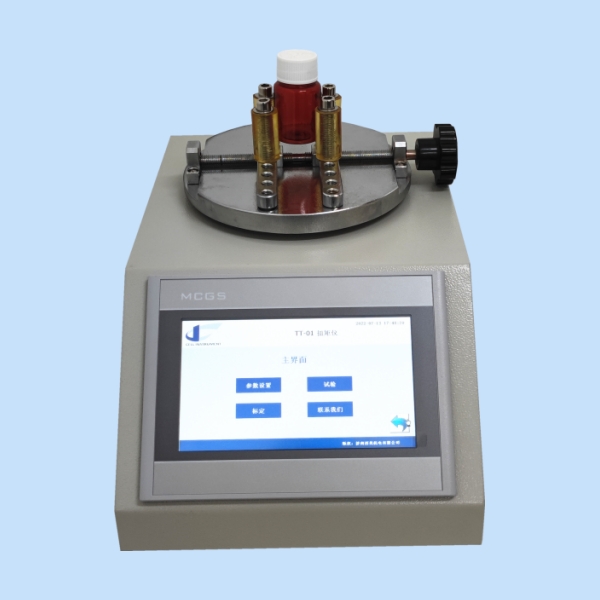
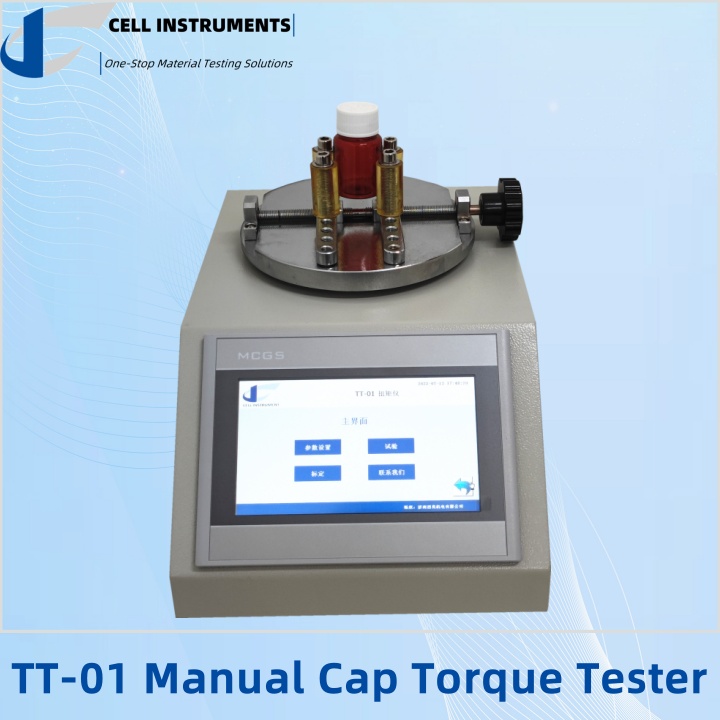
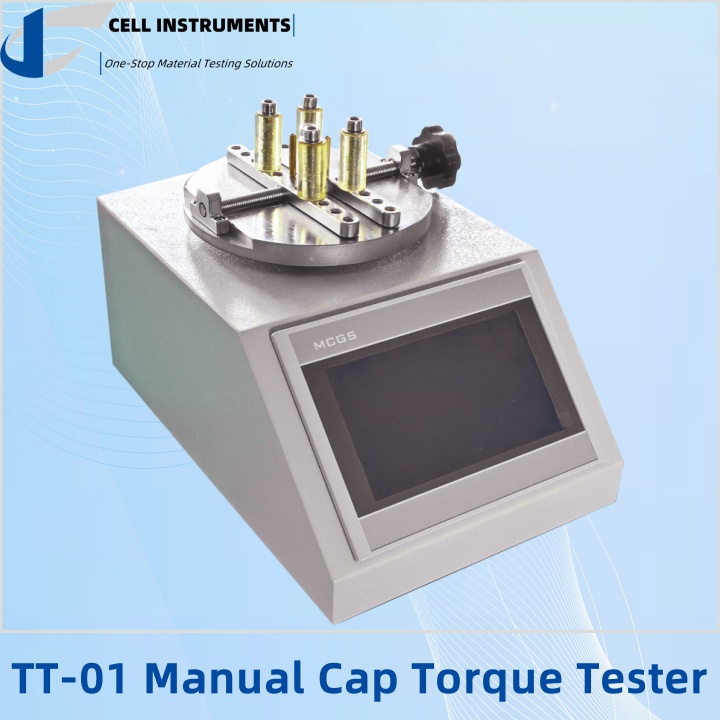
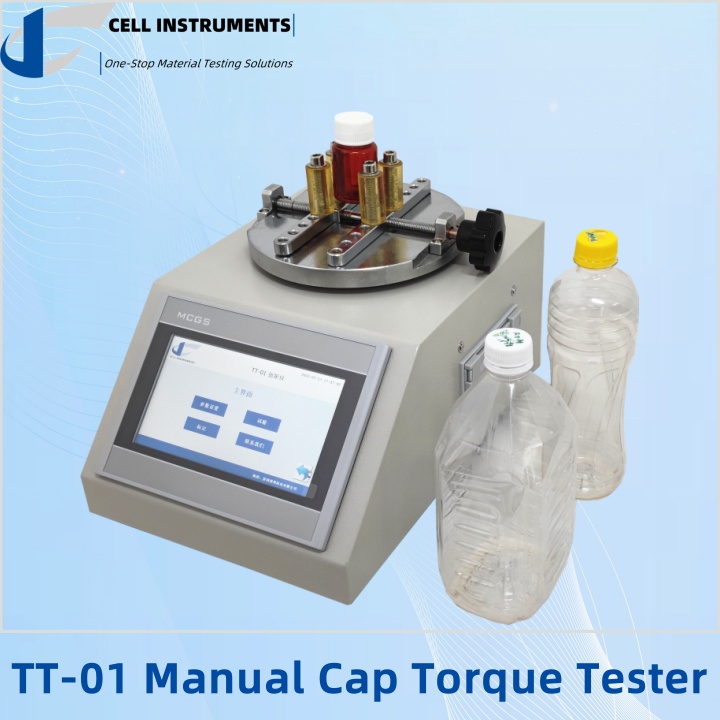
Ręczny tester momentu obrotowego nakrętek to wysoce niezawodne urządzenie służące do pomiaru momentu obrotowego wymaganego do otwierania i blokowania nakrętek na różnego rodzaju opakowaniach, takich jak butelki na leki, butelki PET, worki z wylewką i opakowania z elastycznymi rurkami. W przemyśle opakowaniowym zrozumienie i kontrolowanie momentu obrotowego nakrętki ma kluczowe znaczenie. Jeśli moment obrotowy jest zbyt wysoki, otwarcie pojemnika może być trudne dla konsumenta lub może spowodować uszkodzenie opakowania. Z drugiej strony, niewystarczający moment obrotowy może spowodować wyciek produktu lub naruszenie integralności opakowania podczas transportu.
Zapewniając precyzyjne pomiary, ręczny tester momentu obrotowego nakrętek pomaga producentom spełniać standardy branżowe i zapewniać zadowolenie klientów. Jego zastosowanie jest szeroko rozpowszechnione w branżach takich jak żywność, napoje, farmaceutyki i produkty higieny osobistej, gdzie integralność opakowania i łatwość użytkowania są najważniejsze.
II. Zastosowanie ręcznego testera momentu obrotowego nasadki
Testowanie momentu dokręcania nakrętek w celu zapewnienia jakości opakowania
Ręczny tester momentu obrotowego zakrętek jest niezbędny w kontroli jakości, zwłaszcza w środowiskach produkcji wielkoseryjnej. Urządzenie to mierzy siłę wymaganą do otwarcia lub zablokowania nakrętek, umożliwiając producentom optymalizację linii produkcyjnych w celu zapewnienia stałej jakości opakowań. Niezależnie od tego, czy jest używany do testowania nakrętek na butelkach z lekami, butelkach PET czy elastycznych rurkach, tester odgrywa kluczową rolę w zapewnieniu, że wartości momentu obrotowego stosowane podczas procesu pakowania są dokładne i spełniają standardy specyficzne dla produktu.
Na przykład w przemyśle farmaceutycznym właściwy moment obrotowy jest niezbędny, aby zapewnić, że butelki z lekami pozostaną szczelnie zamknięte podczas transportu, ale będą mogły być łatwo otwierane przez konsumentów. W przemyśle napojów dokładny moment obrotowy zakrętki zapewnia świeżość i bezpieczeństwo produktu, jednocześnie zapobiegając rozlaniu lub wyciekom.
III. Kluczowe cechy techniczne ręcznego testera momentu obrotowego nasadki
1. Wysoka precyzja i stabilność
Ręczny tester momentu obrotowego jest znany ze swojej precyzji i stabilności, co czyni go idealnym wyborem dla rygorystycznych środowisk kontroli jakości. Oferuje on wysoki stopień dokładności z rozdzielczością 0,001 Nm, zapewniając, że nawet najmniejsze zmiany wartości momentu obrotowego są rejestrowane.
2. Elastyczne jednostki pomiarowe
Jedną z wyróżniających się cech ręcznego testera momentu obrotowego jest możliwość wyświetlania pomiarów momentu obrotowego w wielu jednostkach, w tym Kgf.cm, N.cm, daN.cm, Inch.lbs i N.m. Ta elastyczność sprawia, że nadaje się on do szerokiego zakresu zastosowań, od farmaceutyków po pakowanie żywności i napojów. Urządzenie pozwala również na zachowanie wartości szczytowej, dzięki czemu operatorzy mogą łatwo zarejestrować najwyższą siłę momentu obrotowego zastosowaną podczas testów.
3. Przyjazny użytkownikowi projekt
Dzięki prostej, przyjaznej dla użytkownika konstrukcji, ręczny tester momentu dokręcania nakrętek oferuje intuicyjny interfejs, który jest łatwy w obsłudze. Tester jest wyposażony w ekran dotykowy ułatwiający obsługę i system sterowany przez PLC, który zapewnia stabilność na poziomie przemysłowym podczas testowania. To połączenie precyzji, stabilności i łatwości obsługi sprawia, że urządzenie jest niezawodnym narzędziem w każdym środowisku produkcyjnym.
IV. Metody testowania dla ręcznego testera momentu obrotowego nasadki
Procedura testowania momentu obrotowego nasadki
Proces testowania za pomocą ręcznego testera momentu obrotowego nakrętki jest prosty, ale niezbędny do zapewnienia jakości opakowania. Pojemnik z próbką jest najpierw bezpiecznie mocowany na zacisku urządzenia. Następnie zakrętka jest ręcznie otwierana lub zamykana, podczas gdy tester rejestruje wymaganą siłę momentu obrotowego. Czujnik podłączony do zacisku mierzy moment obrotowy, który jest następnie wyświetlany na ekranie w żądanej jednostce.
Możliwość pomiaru siły otwierania i blokowania przez tester sprawia, że jest on idealny do stosowania w różnych typach opakowań. Po teście wartość szczytowa jest automatycznie zachowywana w celu łatwego rejestrowania danych, zapewniając dokładne uchwycenie najwyższego momentu obrotowego zastosowanego podczas testu.
V. Zgodność z głównymi standardami
Ręczny tester momentu dokręcania nakrętek został zaprojektowany tak, aby spełniać kilka międzynarodowych norm, dzięki czemu jest niezawodnym narzędziem do kontroli jakości w różnych branżach. Poniższe normy określają wymagania dotyczące testowania momentu dokręcania nakrętek i integralności opakowań:
- ASTM D2063:Norma ta określa metody badania momentu dokręcania zakrętek i zamknięć z tworzyw sztucznych.
- ASTM D3198:Definiuje metody określania momentu obrotowego zakrętek i zamknięć, zapewniając ich właściwe uszczelnienie przez długi czas.
- ASTM D3474: Obejmuje badania środowiskowe materiałów opakowaniowych, w tym badania momentu obrotowego w różnych warunkach.
- GB/T 17876: Chiński standard testowania momentu dokręcania nakrętek, zapewniający zgodność z regionalnymi wymaganiami dotyczącymi opakowań.
- BB/T 0025 i BB/T 0034: Normy branżowe dotyczące testowania zakrętek, w szczególności opakowań na żywność i napoje.
VI. Główne dane techniczne
| Zakres testowy | 10 Nm (lub w razie potrzeby) |
| Dokładność | 1% FS |
| Rezolucja | 0,001 Nm |
| Zakres zacisku | Φ5mm~φ170mm |
| Prąd zmienny | 110~220 V |
Często zadawane pytania
P1: Do czego służy ręczny tester momentu obrotowego nakrętek? Ręczny tester momentu obrotowego nakrętek służy do pomiaru siły otwierania i blokowania nakrętek na butelkach, słoikach i innych pojemnikach w celu zapewnienia jakości i bezpieczeństwa opakowań.
P2: Dlaczego testowanie momentu dokręcania nakrętki jest ważne? O: Testowanie momentu dokręcania nakrętki zapewnia, że podczas zamykania lub otwierania pojemników przykładana jest odpowiednia siła, co zapobiega wyciekom produktu, zapewnia bezpieczeństwo konsumentów i poprawia komfort użytkowania.
P3: Jakie branże odnoszą największe korzyści z testowania momentu dokręcania nakrętek? Testowanie momentu dokręcania nakrętki jest niezbędne w branżach takich jak żywność i napoje, farmaceutyki, produkty higieny osobistej i we wszystkich branżach, w których ważna jest integralność opakowania.
P4: Jakie normy spełnia ręczny tester momentu dokręcania nakrętek? Tester jest zgodny z kilkoma normami, w tym ASTM D2063, ASTM D3198, ASTM D3474, GB/T 17876 oraz BB/T 0025 i BB/T 0034.
P5: Czy tester może mierzyć zarówno siłę otwierania, jak i blokowania? O: Tak, ręczny tester momentu obrotowego nakrętek może mierzyć zarówno siłę wymaganą do otwarcia nakrętki, jak i siłę potrzebną do jej zablokowania, co czyni go wszechstronnym narzędziem do kontroli jakości opakowań.
 PL
PL  EN
EN  ES
ES  DE
DE  FR
FR  IT
IT  AR
AR  KO
KO  JA
JA  RU
RU  PT
PT  VI
VI  ID
ID  BG
BG  CS
CS  DA
DA  EL
EL  ET
ET  FI
FI  HE
HE  HU
HU  LT
LT  LV
LV  NL
NL  RO
RO  SK
SK  SV
SV  SL
SL  UK
UK  TR
TR  BE
BE  BS
BS  HI
HI  HR
HR  KK
KK  ML
ML  MY
MY  NN
NN  SR
SR  TA
TA  UZ
UZ  SQ
SQ