

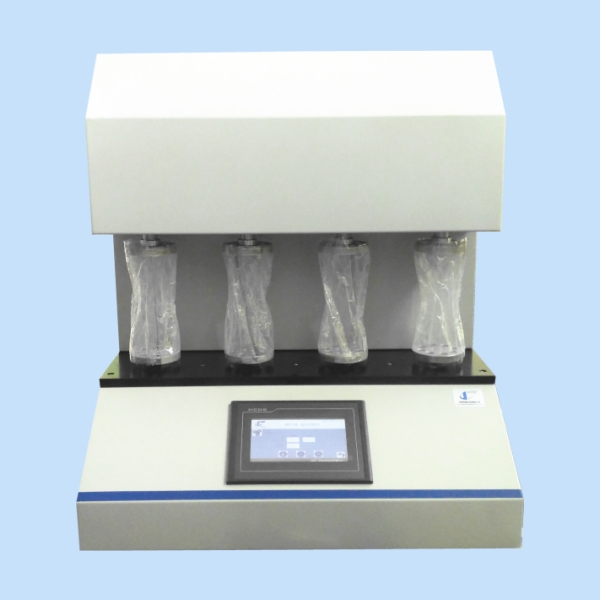
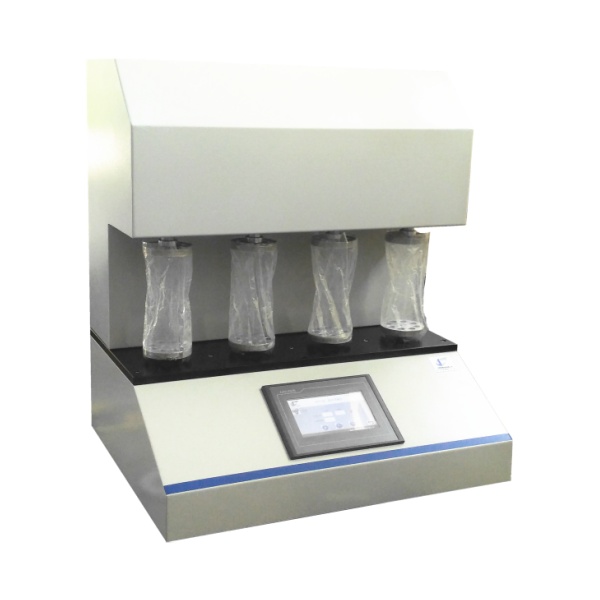
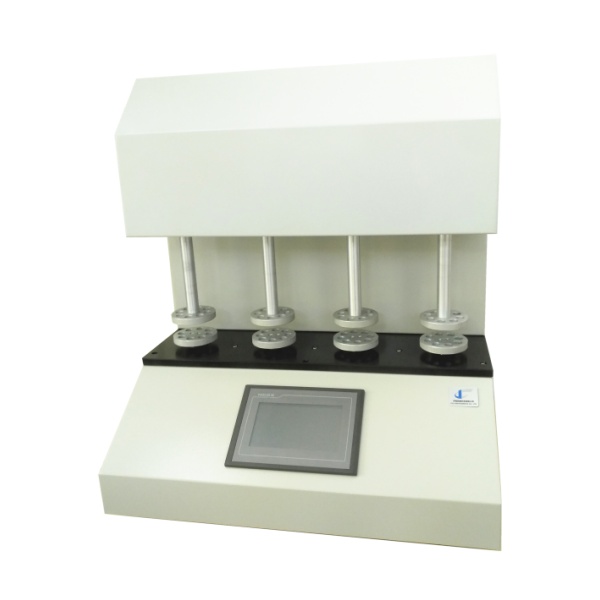
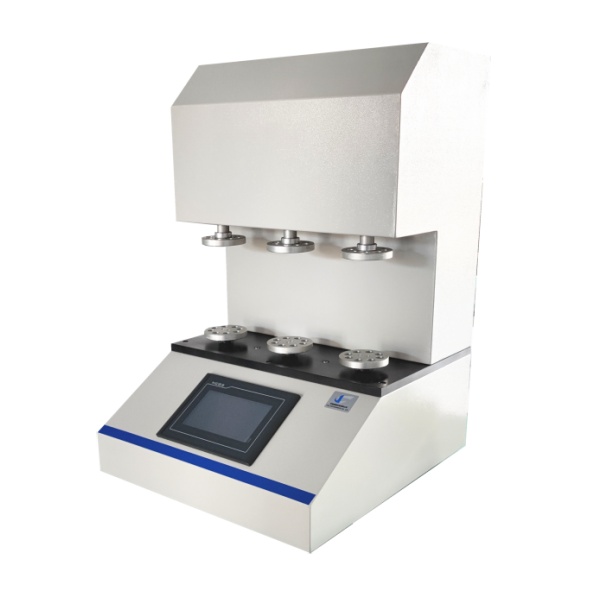
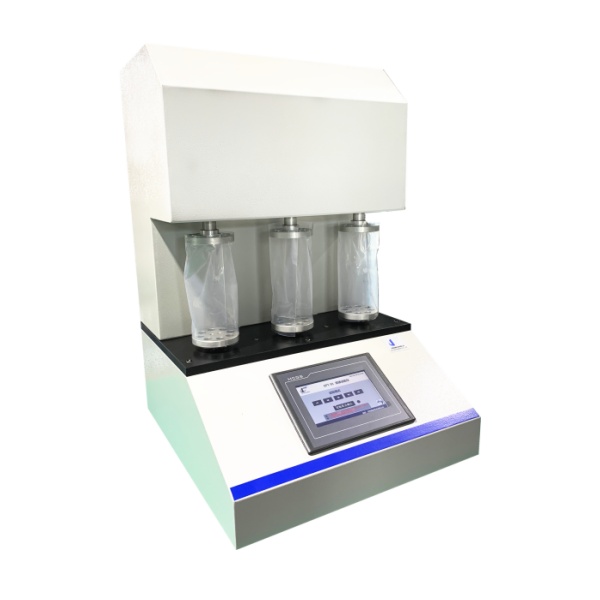
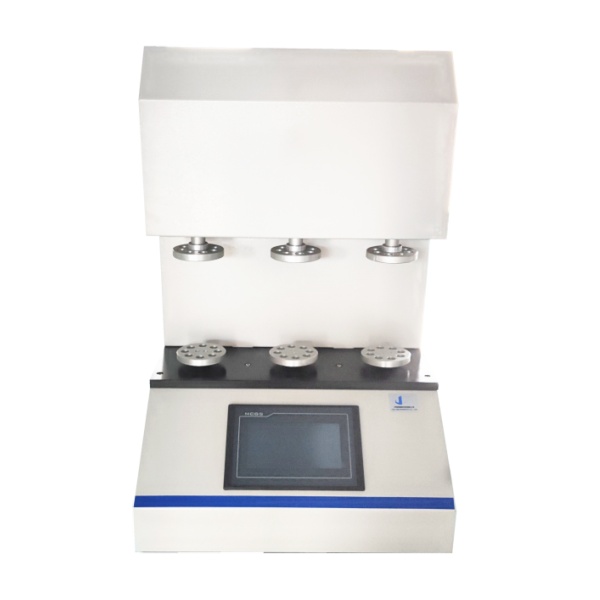
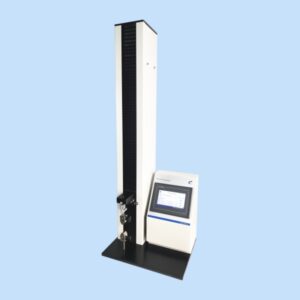
Tester GFT Gelbo Flex
- Standard: ASTM F392
- Producent:Instrumenty komórkowe
- Aplikacje: Materiały opakowaniowe, materiały do produkcji wyrobów medycznych, materiały do testów farmaceutycznych, kleje, tekstylia, opakowania papierowe i tekturowe i wiele innych.
- Personalizacja:Dostępne do specjalnych wymagań testowych i transformacji automatyzacji
Wprowadzenie do Gelbo Flex Tester
Ten Tester Gelbo Flex to specjalistyczny instrument przeznaczony do oceny Wytrzymałość na zginanie i mechanicznej integralności elastycznych materiałów, takich jak folie barierowe, laminaty i tkaniny powlekane. Poprzez symulację rzeczywistego skręcania i odkształcania ściskającego, tester ten zapewnia krytyczny wgląd w odporność opakowań i materiałów powlekanych na powstawanie otworków, pękanie, I degradacja właściwości bariery. Standardy takie jak ASTM F392 I ISO 7854 zdefiniować metody testowania, które zapewniają dokładność, powtarzalność i międzynarodową porównywalność.
Ten Tester Gelbo Flexczasami określany jako Tester giętkości rumple Lub tester elastycznościUrządzenie działa poprzez poddawanie próbek testowych jednoczesnym ruchom skręcania i ściskania. To połączone działanie odtwarza naprężenia mechaniczne, jakich doświadczają elastyczne materiały opakowaniowe podczas napełniania, zamykania, transportu i przechowywania.
Metoda testowa, powszechnie znana jako Metoda testowa Gelboocenia zdolność materiału do zachowania integralności pod wpływem cyklicznych odkształceń. Materiały, które nie przejdą tego testu, często mają mikroskopijne otwory lub pęknięcia, które zagrażają barierowości opakowania przed tlenem, wilgocią lub przenikaniem gazów.
Zasada Gelbo Flex i powiązane standardy
Dwa podstawowe międzynarodowe standardy regulują ocenę trwałości flex: ASTM F392 I ISO 7854.
ASTM F392zatytułowany Standardowa praktyka kondycjonowania elastycznych materiałów barierowych w celu zapewnienia trwałości elastycznościokreśla warunki testowe do oceny odporności elastycznych materiałów opakowaniowych na powstawanie otworów spowodowanych zginaniem i uszkodzenia bariery. W tej metodzie próbki poddawane są wielokrotnemu zginaniu przy 45 cykli na minutęobejmujący Skręt 440 w połączeniu z Ruch poziomy 65 mm. Test jest przeprowadzany w standardowych warunkach 23 ± 2°C I 50 ± 5% wilgotność względna. W zależności od pożądanego poziomu kondycjonowania, cykle testowe mogą wynosić od 20 do 2700odpowiadające poziomom Od A do E.
ISO 7854, Tkaniny powlekane gumą lub tworzywem sztucznym - Określanie odporności na uszkodzenia przez zginaniedefiniuje trzy metody testowania elastyczności. Metoda Cznany jako Metoda zgniatania/uginaniaZasada ta bardzo przypomina zasadę Gelbo. W tym przypadku cylindryczna próbka jest poddawana Oscylacyjne skręcanie i ściskanie osiowesymulując rzeczywiste naprężenia zginające dla tkanin powlekanych, materiałów medycznych i tekstyliów technicznych.
Łącznie, standardy te ustanawiają procedurę Gelbo flex jako globalny punkt odniesienia dla Testy wytrzymałości na zginanie.
Jak działa Gelbo Flex Tester
Ten Tester Gelbo Flex (np. Tester wytrzymałości GFT Flex przez Instrumenty komórkowe) działa z wysoką precyzją, aby odtworzyć ruchy zginania ASTM i ISO.
- Przygotowanie próbki: Standardowe próbki to 200 × 280 mmcięcie zarówno w kierunku maszynowym, jak i poprzecznym.
- Montaż: Próbki są zaciskane lub przyklejane do trzpieni testera, tworząc cylindryczny kształt do jednoczesnego skręcania i ściskania.
- Cykl gięcia: Tester wykonuje Skręt 440 podczas pierwszych 90 mm skoku, po czym następuje Kompresja liniowa 65 mmprzy stałym 45 cykli na minutę.
- Wybór trybu: Użytkownicy mogą wybierać spośród pięć programowalnych trybów testowych (A-E) w celu dopasowania do różnych typów materiałów lub celów testu.
- Ocena wyników: Po kondycjonowaniu próbki są sprawdzane pod kątem otworów, pęknięć lub degradacji bariery za pomocą OTR (współczynnik transmisji tlenu), WVTR (współczynnik przenikania pary wodnej)lub GTR testy.
Ten kontrolowany proces pozwala laboratoriom i zespołom kontroli jakości na ilościowe określenie właściwości materiału. odporność na zginanie i przewidzieć jego wydajność w warunkach rzeczywistego obciążenia mechanicznego.
Kluczowe cechy i główne parametry
Ten Tester GFT Gelbo Flex seria od Instrumenty komórkowe oferuje zaawansowaną technologię zaprojektowaną z myślą o wysokiej precyzji i łatwości użytkowania:
- Sterowanie PLC i interfejs ekranu dotykowego - Zapewnia dokładną kontrolę ruchu, przyjazną dla użytkownika obsługę i powtarzalność danych.
- Wiele stacji testowych - Dostępne z trzy lub cztery stacje do równoległego testowania i analizy porównawczej.
- Programowalne warunki testowe - Obsługuje tryby A-E ASTM F392 do wszechstronnych testów, od szybkiego sprawdzania (20 cykli) do oceny wytrzymałości (2700 cykli).
- Wytrzymała konstrukcja mechaniczna - Zaprojektowany z myślą o długoterminowej stabilności i zgodności z ASTM F392 I ISO 7854 standardy.
- Zwiększona niezawodność danych - Obsługuje ocenę po teście Integralność bariery, powstawanie otworów i zmiany wytrzymałości mechanicznej.
| Tester wytrzymałości GFT Gelbo Flex | ||
| Parametr | Model GFT-02 | Model GFT-01 |
| Kąt zgięcia | 440° (90 mm) lub 400° (80 mm) | |
| Pojemność | 3,5 N.m | 2,5 Nm |
| Poziomy pociągnięcie | 155 mm lub 80 mm | |
| Stacje | 3 | 4 |
| Wielkość próbki | 280mm x 200mm | |
| Moc | 110~220 V | |
Zastosowania testów Gelbo Flex
Testowanie elastyczności Gelbo jest niezbędna w branżach, w których elastyczne materiały muszą zachować integralność bariery i jakość estetyczną po wielokrotnym przenoszeniu lub naprężeniach mechanicznych. Kluczowe obszary zastosowań obejmują:
- Opakowania elastyczne dla żywności, farmaceutyków i urządzeń medycznych
- Tkaniny i folie powlekane do zastosowań przemysłowych, tekstylnych i zewnętrznych
- Laminaty samoprzylepne I struktury kompozytowe
- Kontrola jakości w Laboratoria badawczo-rozwojowe I agencje certyfikujące
Identyfikując słabe punkty na wczesnym etapie, producenci mogą ulepszyć formułę materiału, technologię powlekania i procesy laminowania.
Często zadawane pytania
A: Gelbo Flex Tester firmy Cell Instruments szczyci się unikalnym połączeniem precyzyjnej inżynierii i innowacyjnych cech konstrukcyjnych. Od intuicyjnego interfejsu użytkownika po zaawansowane możliwości automatyzacji, każdy aspekt jest starannie opracowany w celu optymalizacji wydajności i doświadczenia użytkownika. Ponadto jego kompatybilność z szeroką gamą materiałów i branż wyróżnia go jako wszechstronne rozwiązanie do potrzeb testowania elastyczności.
A: Poddając materiały rygorystycznym testom zginania, tester trwałości zginania pomaga zidentyfikować słabości i potencjalne punkty awarii na wczesnym etapie procesu rozwoju. To proaktywne podejście pozwala producentom zająć się problemami, zanim się nasilą, co skutkuje produktami, które są bardziej odporne, niezawodne i ostatecznie wyższej jakości.
A: Oczywiście! Tester Gelbo Flex został zaprojektowany tak, aby pomieścić szeroki zakres rozmiarów i kształtów próbek, oferując elastyczność i wszechstronność w testowaniu. Niezależnie od tego, czy pracujesz z małymi, delikatnymi foliami, czy większymi, grubszymi materiałami, nasz tester może z łatwością dostosować się do Twoich konkretnych wymagań testowych.
A: Precyzja jest najważniejsza w przypadku testera wytrzymałości flex. Dzięki skrupulatnej kalibracji i solidnej konstrukcji zapewniamy, że każdy test daje spójne, niezawodne wyniki. Ponadto nasz tester został zaprojektowany tak, aby zminimalizować czynniki zewnętrzne, które mogłyby wpłynąć na wyniki testu, co dodatkowo zwiększa dokładność i powtarzalność.
A: W Cell Instruments priorytetowo traktujemy zadowolenie klienta i wsparcie. Nasz oddany zespół wsparcia technicznego jest dostępny, aby pomóc użytkownikom w przypadku jakichkolwiek pytań, wątpliwości lub problemów technicznych, z którymi mogą się zetknąć. Niezależnie od tego, czy potrzebujesz pomocy w konfiguracji, kalibracji lub rozwiązywaniu problemów, nasi eksperci są tutaj, aby zapewnić szybką i skuteczną pomoc, aby zapewnić płynny przebieg procesów testowania.
Odniesienie
ASTM F392 Standardowa praktyka kondycjonowania elastycznych materiałów barierowych w celu zapewnienia trwałości elastyczności
 PL
PL  EN
EN  ES
ES  DE
DE  FR
FR  IT
IT  AR
AR  KO
KO  JA
JA  RU
RU  PT
PT  VI
VI  ID
ID  BG
BG  CS
CS  DA
DA  EL
EL  ET
ET  FI
FI  HE
HE  HU
HU  LT
LT  LV
LV  NL
NL  RO
RO  SK
SK  SV
SV  SL
SL  UK
UK  TR
TR