
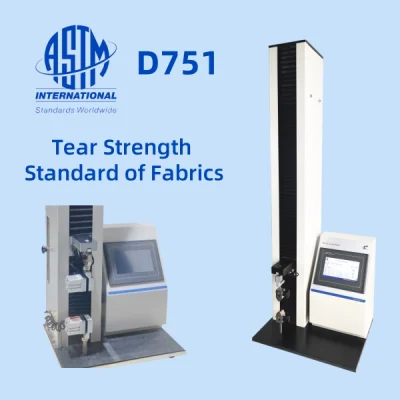
Prezentare generală a metodei de testare a țesăturilor acoperite
The Metoda de testare a țesăturilor acoperite în ASTM D751 implică mai multe proceduri cheie pentru evaluarea proprietăților fizice ale țesăturilor acoperite. Acestea includ metoda de testare prin apucare pentru rezistența la rupere, alungirea la rupere, testele de rezistență la spargere, rezistența la perforare și evaluările rezistenței la rupere. Aceste metode ajută la determinarea capacității materialului de a rezista solicitărilor mecanice, ceea ce le face esențiale pentru asigurarea calității și fiabilității țesăturilor acoperite în aplicații reale.
Test de rezistență la rupere: Metoda de testare prin apucare
The Metoda de testare prin apucare este una dintre cele mai utilizate tehnici de determinare a rezistența la rupere a țesăturilor acoperite. Acest test măsoară forța la care o țesătură se rupe atunci când este supusă unei sarcini de tracțiune. Rezistența la rupere este un indicator cheie de performanță pentru materialele utilizate în aplicații cu solicitări ridicate, cum ar fi ambalajele pentru sarcini grele sau textilele de protecție.
Procedura pentru metoda de testare prin apucare
- Pregătirea eșantioanelor: Eșantioanele sunt tăiate la o dimensiune specifică, de obicei 102 mm (4 inch) lățime și 152 mm (6 inch) lungime. Țesătura este apoi plasată în mașina de testare, asigurându-se că este aliniată corect.
- Configurarea mașinii: Eșantionul este fixat la ambele capete, iar mașina aplică o forță de tracțiune uniformă la o viteză de 5 ± 0,2 mm/s (12 ± 0,5 in./min).
Măsurare: Aparatul înregistrează forța aplicată țesăturii până când aceasta se rupe, furnizând date esențiale privind rezistență la tracțiune şi alungirea la rupere.
Rezultatele metodei de testare prin apăsare oferă o perspectivă asupra durabilității țesăturii, în special asupra rezistenței sale la rupere atunci când este supusă unor forțe externe. Pentru aplicații precum ambalajele de protecție sau textilele pentru exterior, rezistența ridicată la tracțiune este esențială pentru a se asigura că materialul poate rezista unei utilizări intense.
Alungire la rupere
Alungire măsoară capacitatea țesăturii de a se întinde înainte de a se rupe. Acest lucru este deosebit de important pentru materialele de ambalare, deoarece țesăturile cu alungire ridicată pot absorbi mai mult stres, prevenind deteriorarea în timpul manipulării și transportului.
Procedura de măsurare a alungirii:
- După efectuarea testului de apucare, alungirea este calculată ca procent de creștere a lungimii țesăturii.
- Rezultatele la alungire sunt mediate pe mai multe specimene de testare pentru a determina performanța generală a țesăturii.
Test de rezistență la spargere
The test de rezistență la rupere măsoară presiunea la care o țesătură acoperită se va rupe atunci când este supusă unei presiuni hidraulice sau mecanice. Acest test este esențial pentru materialele de ambalare care trebuie să reziste la medii cu presiune ridicată.
Metode de testare pentru rezistența la rupere:
- Metoda Ball Burst: O bilă de oțel lustruit aplică presiune pe țesătură până când aceasta se sparge. Această metodă măsoară rezistența țesăturii la o presiune bruscă, localizată.
- Diafragmă Metoda Burst: Un sistem de presiune hidraulică umflă o diafragmă sub țesătură, crescând presiunea până la rupere. Această metodă simulează capacitatea țesăturii de a suporta presiunea pe o suprafață mai mare.
Ambele metode oferă informații despre forță de izbucnire, ceea ce este esențial pentru materialele care vor fi expuse la presiuni interne, cum ar fi ambalajele alimentare sigilate sau pungile medicale.
Test de rezistență la rupere a țesăturii
Rezistența la rupere măsoară rezistența unei țesături la rupere sub presiune. Țesăturile acoperite utilizate în ambalaje și textile trebuie să aibă o rezistență suficientă la rupere pentru a rezista manipulării, transportului și condițiilor dificile.
Metode de testare la rupere:
Metoda de testare a pendulului: Un pendul aplică o forță țesăturii până când aceasta se rupe. Această metodă măsoară rezistența țesăturii la rupere în condiții de încărcare dinamică.
Metoda de testare a ruperii limbii: Un specimen este tăiat în formă de limbă și se aplică o forță pentru a rupe materialul. Se înregistrează forța necesară pentru inițierea și propagarea ruperii.
Ambele metode ajută la evaluarea rezistență la rupere, asigurând că va rezista în condiții tipice de manipulare fără a se rupe prematur.
Test de rezistență la perforare: Protejarea împotriva obiectelor ascuțite
The test de rezistență la perforare măsoară capacitatea unei țesături de a rezista perforărilor provocate de obiecte ascuțite, o proprietate esențială pentru materialele de ambalare care trebuie să protejeze produsele sensibile de deteriorări. Acest test este utilizat de obicei pentru materiale precum ambalaje flexibile, ambalaje medicale sau îmbrăcăminte de protecție.
Procedura de testare a rezistenței la perforare:
O instrument de piercing, care seamănă cu o șurubelniță cu vârf plat, aplică forță pe țesătură până când aceasta se străpunge.
Forța necesară pentru perforarea țesăturii este înregistrată, furnizând date valoroase privind rezistența materialului la obiecte ascuțite.
Un grad ridicat de rezistență la perforare este esențial pentru materialele de ambalare utilizate în industrii precum cea alimentară, farmaceutică sau electronică, unde riscul de deteriorare prin perforare este semnificativ.
Testul de rupere trapezoidală: Evaluarea avansată a rezistenței la rupere
Procedura de testare:
Un specimen de țesătură dreptunghiulară este tăiat cu o formă trapezoidală și se aplică o forță pentru a rupe țesătura de-a lungul tăieturii.
Forța necesară pentru ruperea țesăturii este măsurată, oferind o imagine detaliată a rezistenței sale la rupere.
Acest test este utilizat în mod obișnuit în ambalaje și textile, unde durabilitatea țesăturii sub stres este extrem de importantă.
ASTM D751 oferă un cadru cuprinzător pentru testarea performanța și durabilitatea țesăturilor acoperite. De la Metoda de testare prin apucare pentru rezistența la rupere la test de rezistență la perforare pentru rezistența la obiecte ascuțite, fiecare metodă de testare joacă un rol crucial în asigurarea adecvării materialului pentru aplicația prevăzută. Țesăturile învelite trebuie testate temeinic pentru a garanta că îndeplinesc standardele industriale de siguranță și performanță.
Pentru profesioniștii din industrie, utilizarea Testere de rupere ’Cell Instruments şi Testere de tracțiune asigură obținerea unor rezultate precise și fiabile în conformitate cu standardele ASTM D751. Aceste instrumente ajută producătorii să producă țesături acoperite de înaltă calitate care pot rezista cerințelor riguroase din lumea reală.
Contactați-ne Obțineți soluția de testare ASTM D751
Î: Pentru ce este utilizat în principal ASTM D751?
R: ASTM D751 este utilizat în principal pentru a testa performanța țesăturilor acoperite, acoperind teste precum rezistența la rupere, alungirea, rezistența la rupere, rezistența la rupere și rezistența la perforare.
Î: Ce este “Metoda de testare prin apucare” în ASTM D751?
R: Metoda de testare prin apucare este utilizată pentru a testa rezistența la rupere a țesăturilor acoperite. Eșantionul de țesătură este ținut între cleme, iar o forță de tracțiune uniformă este aplicată până când țesătura se rupe, măsurându-i rezistența.
Î: Cum este testată rezistența la rupere a țesăturilor acoperite în ASTM D751?
R: Rezistența la rupere a țesăturilor acoperite poate fi testată utilizând “metoda ruperii mingii” sau “metoda ruperii diafragmei”, în care presiunea este aplicată perpendicular pe țesătură până la rupere. Presiunea necesară este înregistrată ca rezistență la rupere a țesăturii.
Î: Ce este “testarea rezistenței la perforare”?
R: Testarea rezistenței la perforare măsoară capacitatea țesăturilor acoperite de a rezista la perforare. Se utilizează un instrument cu vârf ascuțit pentru a perfora materialul, iar forța necesară pentru a penetra materialul este măsurată pentru a evalua rezistența acestuia la perforare.
Î: Care este relația dintre “încercarea la tracțiune” și “rezistența la rupere” în ASTM D751?
R: Testul de tracțiune măsoară rezistența țesăturii la întindere, în timp ce testul de rezistență la rupere măsoară rezistența țesăturii la rupere. Ambele teste ajută la evaluarea performanței țesăturii sub diferite solicitări.
 RO
RO  EN
EN  ES
ES  DE
DE  FR
FR  IT
IT  AR
AR  KO
KO  JA
JA  RU
RU  PT
PT  VI
VI  ID
ID  BG
BG  CS
CS  DA
DA  EL
EL  ET
ET  FI
FI  HE
HE  HU
HU  LT
LT  LV
LV  NL
NL  PL
PL  SK
SK  SV
SV  SL
SL  UK
UK  TR
TR  BE
BE  BS
BS  HI
HI  HR
HR  KK
KK  ML
ML  MY
MY  NN
NN  SR
SR  TA
TA  UZ
UZ  SQ
SQ  TH
TH