
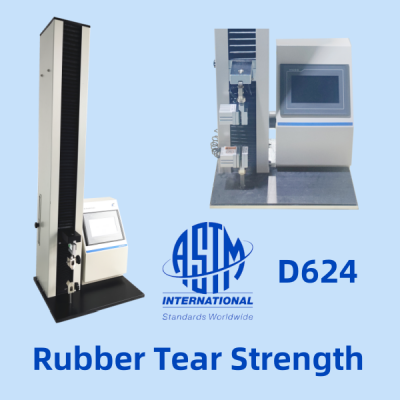
Pevnost pryže v tahu a její význam
The pevnost pryže v roztržení udává, jak účinně materiál odolává vzniku nebo šíření trhliny. Zatímco pevnost v tahu měří celkovou schopnost protažení, pevnost v tahu se zaměřuje na reálné způsoby selhání. Ostré hrany, cyklické zatížení, oděr nebo usazené částice často způsobují lokální napětí, které způsobuje, že nejčastějším mechanismem poškození v provozu je trhání.
Výkonnost při trhání ovlivňuje několik faktorů, včetně rozložení napětí, rychlosti deformace, geometrie vzorku a přítomnosti vrubů. Norma ASTM D624 poskytuje kontrolovanou a opakovatelnou metodu pro kvantifikaci těchto vlivů, která umožňuje konstruktérům a odborníkům na kontrolu kvality provádět spolehlivá srovnání.
Standardní požadavky na zkoušku pevnosti v tahu
The norma pro zkoušku pevnosti v tahu specifikuje postupy přípravy vzorků, jejich kondicionování a postupného zvyšování zatížení až do úplného roztržení. Zkoušečka tahu táhne vzorek definovanou rychlostí křížové hlavy. Zaznamenaná síla na jednotku tloušťky představuje pevnost v tahu.
Podle normy:
- Vzorky typu A, B a C používají 500 ± 50 mm/min separační rychlost.
- Vzorky typu T a CP používají 50 ± 5 mm/min rychlost.
- Správné vyrovnání vzorku zajišťuje rovnoměrné namáhání a zabraňuje prokluzování rukojeti.
- Výsledky testů z různých geometrií nejsou vzájemně zaměnitelné, protože každá konstrukce charakterizuje jiný mechanismus trhání.
Tyto rozdíly umožňují uživatelům přizpůsobit testování konkrétním podmínkám výrobku.
ASTM D624 Typ A, Typ B, Typ C, Typ T a Typ CP
Norma ASTM D624 obsahuje několik typů vzorků, z nichž každý zachycuje jiné chování při poruše. Tyto varianty úzce odpovídají různým aplikacím elastomerů.
ASTM D624 typ A - půlměsíc pro menší vzorky
ASTM D624 typ A se podobá typu B, ale bez prodloužených konců výstupků. Laboratoře používají typ A, pokud pracují s menšími lisovanými součástmi nebo s omezeným množstvím materiálu. Měří také šíření trhlin, ale může vykazovat mírně odlišné rozložení napětí kvůli kratší délce měřidla.
ASTM D624 typ B - půlměsíc s výstupky
ASTM D624 typ B je jednou z nejčastěji preferovaných geometrií. Má tvar půlměsíce s rozšířenými výstupky, které zlepšují stabilitu při uchopení. Tento typ měří pevnost při šíření trhliny, takže je ideální pro obecnou kontrolu kvality pryže. Výrobci často volí typ B v případě, že je původní list dostatečně velký pro přípravu požadovaných rozměrů.
ASTM D624 typ C - vzorek s 90stupňovým vrcholem
ASTM D624 typ C má zřetelný úhel 90 stupňů bez zářezu. Koncentrace napětí na vrcholu pomáhá vyhodnotit pevnost při iniciaci trhání, což je rozhodující při posuzování poruch způsobených ostrými rohy nebo zapuštěnými vadami. Pokud trhlina nezačíná na vrcholu, mohou výsledky připomínat pevnost v tahu, proto je zásadní správná příprava vzorku.
ASTM D624 Typ T - Vzorek na roztržení kalhot
ASTM D624 typ T se skládá z geometrie rozdělené nohavice připomínající tvar kalhot. Měří šíření trhliny po celé délce vzorku. Typ T se široce používá pro pružné elastomerové fólie, tenké desky a měkké směsi TPE.
ASTM D624 Typ CP - Trhání s omezenou dráhou
ASTM D624 Typ CP je modifikací typu T. Používá omezená dráha trhání a silnější nohy, které zajišťují, že trhlina zůstane vyrovnaná, což je obzvláště vhodné pro materiály náchylné k odchylkám nebo nadměrnému roztažení. To vede ke stabilnějším a opakovatelnějším výsledkům šíření.
Výběr správného testeru pevnosti v tahu
Výběr vhodného zkoušečka pevnosti v tahu zajišťuje přesné a konzistentní výsledky. Tester musí udržovat stabilní rychlost křížové hlavy, poskytovat citlivé měření síly a podporovat různé konfigurace úchopu.
The Cell Instruments TST-01 Zkoušečka pevnosti v tahu je vynikající volbou pro testování podle normy ASTM D624 díky své:
- Přesná zatěžovací buňka a vysoká vzorkovací frekvence
- Stabilní pohyb křížové hlavy pro vysokorychlostní i nízkorychlostní trhací zkoušky
- Kompatibilita se svítidly typu A, B, C, T a CP
- Přizpůsobivost pro výzkum a vývoj i běžnou kontrolu kvality
Jeho schopnost přepínat mezi různými režimy trhání umožňuje laboratořím provádět celou škálu testů podle normy ASTM D624 pomocí jediného zařízení.
Kontaktujte nás Získejte řešení pro testování podle normy ASTM D624
ASTM D624 poskytuje komplexní rámec pro hodnocení chování pryže a TPE při trhání. Jeho více typů vzorků umožňuje uživatelům zachytit vznik a šíření trhliny v různých aplikacích. Pomocí spolehlivých přístrojů, jako je např. Zkoušečka tahu TST-01, mohou laboratoře dosáhnout konzistentních, přesných a opakovatelných výsledků, které zvyšují kvalitu výrobků a posilují rozhodnutí v oblasti materiálového inženýrství. Pro výrobce a pracovníky zabývající se kvalitou, kteří hledají spolehlivé hodnocení trhlin, zůstává norma ASTM D624 nepostradatelnou.
 CS
CS  EN
EN  ES
ES  DE
DE  FR
FR  IT
IT  AR
AR  KO
KO  JA
JA  RU
RU  PT
PT  VI
VI  ID
ID  BG
BG  DA
DA  EL
EL  ET
ET  FI
FI  HE
HE  HU
HU  LT
LT  LV
LV  NL
NL  PL
PL  RO
RO  SK
SK  SV
SV  SL
SL  UK
UK  TR
TR  BE
BE  BS
BS  HI
HI  HR
HR  KK
KK  ML
ML  MY
MY  NN
NN  SR
SR  TA
TA  UZ
UZ  SQ
SQ