
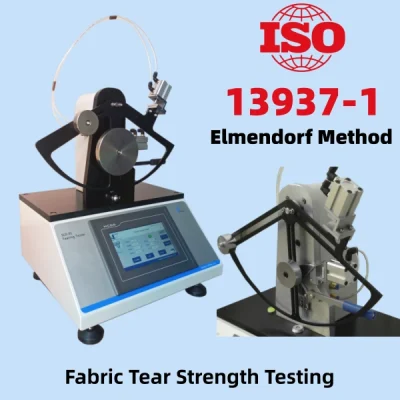
உடை, தொழில்நுட்பத் துணிகள், மருத்துவப் பொருட்கள், தொழில்துறைப் பொருட்கள் மற்றும் பேக்கேஜிங் பயன்பாடுகளில் பயன்படுத்தப்படும் ஜவுளித் துணிகளுக்கு, துணியின் நீடித்துழைப்பு என்பது ஒரு மிக முக்கியமான தர அளவுகோலாகும். ஐஎஸ்ஓ 13937-1 மதிப்பிடுவதற்கான ஒரு தரப்படுத்தப்பட்ட முறையை வழங்குகிறது துணி கிழிவு வலிமை பொதுவாக பேலிஸ்டிக் பெண்டுலம் முறை என்று அழைக்கப்படும் முறையைப் பயன்படுத்தி, ஒரு துணி மாதிரியின் வழியாக முன்கூட்டியே வெட்டப்பட்ட ஒரு கிழிசலைப் பரப்பத் தேவையான விசையை அளவிடுவதன் மூலம், பொதுவாக அறியப்பட்ட எல்மென்டோர்ஃப் கிழிப்புச் சோதனை.
உற்பத்தியாளர்கள், ஆய்வகங்கள் மற்றும் தரக் கட்டுப்பாட்டு வல்லுநர்களுக்கு, கிழிவு எதிர்ப்பைப் புரிந்துகொள்வது அவசியமாகும், ஏனெனில் துணிகள் உற்பத்தி, போக்குவரத்து மற்றும் இறுதிப் பயன்பாட்டு நிலைகளின் போது அடிக்கடி உள்ளூர்மயமாக்கப்பட்ட அழுத்தங்களுக்கு உள்ளாக்கப்படுகின்றன. ஐஎஸ்ஓ 13937-1 இந்த சோதனை முறை, ஒரு பொருளின் கிழிதல் பரவலுக்கு எதிரான எதிர்ப்பை அளவிடுவதற்கு நம்பகமான மற்றும் மீண்டும் மீண்டும் செய்யக்கூடிய ஒரு வழியை வழங்குகிறது, மேலும் இது தயாரிப்பு மேம்பாடு, பொருள் தேர்வு மற்றும் இணக்கத்தன்மை சோதனை ஆகியவற்றிற்கு ஆதரவளிக்கிறது.
ISO 13937-1-ஐப் புரிதல்
ISO 13937-1: ஜவுளி — துணிகளின் கிழிவு பண்புகள் — பகுதி 1: பாலிஸ்டிக் பெண்டுலம் முறையைப் பயன்படுத்தி கிழிவு விசையை நிர்ணயித்தல் (எல்மென்டோர்ஃப்) ஒரு துணி மாதிரியில் முன்பு ஆரம்பிக்கப்பட்ட கிழிப்பைத் தொடரத் தேவையான கண்ணீர் விசையை அளவிடுவதற்கான ஒரு செயல்முறையை இது குறிப்பிடுகிறது.
ஒரு முழு மாதிரியை உடைக்கத் தேவையான விசையை மதிப்பிடும் இழுவிசை வலிமை சோதனையைப் போலல்லாமல், துணி கிழிவு வலிமை சோதனை, ஒரு பொருளில் ஏற்கெனவே உள்ள வெட்டு, கீறல் அல்லது குறைபாடு ஆகியவற்றின் வளர்ச்சியை எதிர்க்கும் திறனில் கவனம் செலுத்துகிறது. இந்தப் பண்பு, நிஜ உலக சேத நிலைமைகளைப் பிரதிபலிப்பதில் பெரும்பாலும் மிகவும் பொருத்தமானதாக உள்ளது.
இந்த முறை முதன்மையாகப் பின்வருவனவற்றிற்குப் பொருந்தும்:
- நெய்த துணிகள்
- பல நெய்யப்படாத பொருட்கள்
- தொழில்நுட்பத் துணிகள்
- தொழில்துறைத் துணிகள்
இந்தத் தரம் பொதுவாகப் பொருந்தாது:
- நெய்த துணிகள்
- அதிக நெகிழ்வுத்தன்மை கொண்ட நெய்யப்பட்ட துணிகள்
- அதிக ஒற்றியல் தன்மையுள்ள பொருட்கள்
- கண் அசைவு ஏற்படக்கூடிய தளர்வான கட்டமைப்புகள்
எல்மென்டோர்ஃப் கிழிப்புச் சோதனையின் கொள்கை
தி எல்மென்டோர்ஃப் கிழிப்புச் சோதனை ஒரு துணிக் கசுவில், ஒரு குறிப்பிட்ட தூரத்திற்குப் பரவத் தேவையான வேலையை அளவிடுகிறது.
இந்தச் சோதனை, பின்வருவனவற்றைக் கொண்ட ஒரு ஊசல் அடிப்படையிலான கருவியைப் பயன்படுத்துகிறது:
- ஒரு ஊசலுக்கு இணைக்கப்பட்ட நகரக்கூடிய இறுக்கி
- நிறுத்தப்பட்ட கிளாമ്ப்
- முன்கூட்டியே வரையறுக்கப்பட்ட பிளவைக் கொண்ட ஒரு மாதிரி
மாதிரி கிளாம்புகளுக்கு இடையில் பொருத்தப்படுகிறது, மேலும் சோதனைக்கு முன் ஒரு கீறல் உருவாக்கப்படுகிறது. ஊசல் விடுவிக்கப்படும்போது, அதன் சேமிக்கப்பட்ட ஆற்றல் மாதிரியை முழுமையாகப் பிளந்துவிடுகிறது. பிளந்தபோது இழந்த ஆற்றல், ஒரு பிளக்கும் விசை மதிப்பாக மாற்றப்படுகிறது.
அளக்கப்பட்ட விசை, ஒரு வரையறுக்கப்பட்ட நீளத்திற்குள் துணியைத் தொடர்ந்து கிழிக்கத் தேவையான சராசரி விசையைக் குறிக்கிறது.
இந்த முறை, உண்மையான தயாரிப்புப் பயன்பாட்டின் போது ஏற்படும் திடீர் கிழிதல் விசைகளை உருவகப்படுத்துகிறது.
ISO 13937-1 சோதனை நடைமுறை
மாதிரி தயாரிப்பு
துணி மாதிரி, தரநிலையில் குறிப்பிடப்பட்டுள்ள பரிமாணங்களின்படி தயாரிக்கப்படுகிறது.
முக்கியத் தேவைகள் பின்வருமாறு:
- கிளம்புகளில் மாதிரி மையமாக நிலைநிறுத்தப்பட்டுள்ளது.
- மேல் தாடை விளிம்பிற்கு இணையாக நீண்ட பக்கம்
- ஆரம்ப இடைவெளி நீளம்: 20 ± 0.5 மிமீ
- மீதமுள்ள கண்ணீர் நீளம்: 43 ± 0.5 மிமீ
பொதுவாக பின்வரும் பிரிவுகளில் தனித்தனி மாதிரிக் குழுக்கள் தயாரிக்கப்படுகின்றன:
- நூல் திசை
- நூல் செல்லும் திசை
இரு திசைகளிலும் சோதிப்பது, பொருளின் செயல்திறனைப் பற்றிய முழுமையான புரிதலை வழங்குகிறது.
உபகரண அமைப்பு
சோதனை செய்வதற்கு முன்:
- பொருத்தமான ஊசல் கொள்ளளவைத் தேர்ந்தெடுக்கவும்.
- பூஜ்ஜிய அளவீட்டைச் சரிபார்க்கவும்.
- பண்டுலத்தை ஆரம்ப நிலைக்கு உயர்த்தவும்.
- தேர்ந்தெடுக்கப்பட்ட அளவீட்டு வரம்பில், எதிர்பார்க்கப்படும் முடிவுகள் 15% மற்றும் 85% க்கு இடையில் இருக்கும் என்பதை உறுதிப்படுத்தவும்.
சரியான வரம்புத் தேர்வு அளவீட்டுத் துல்லியத்தை மேம்படுத்தி, நிச்சயமற்ற தன்மையைக் குறைக்கிறது.
சோதனை செயல்படுத்தல்
சோதனை வரிசையில் அடங்குபவை:
- மாதிரியைப் பாதுகாப்பாக இறுக்கவும்.
- குறிப்பிடப்பட்ட பிளவை வெட்டவும்.
- பண்டுலத்தை விடுவி.
- பம்பரத்தை கண்ணீரை முழுமையாகப் பரப்ப அனுமதிக்கவும்.
- கண்ணீர் விசை அளவைப் பதிவு செய்யவும்.
- ஒவ்வொரு திசையிலும் குறைந்தது ஐந்து மாதிரிகளுக்கு இதை மீண்டும் செய்யவும்.
கவனங்களிலும் பின்வருவன அடங்கியிருக்க வேண்டும்:
- கண்ணீர் பாதை சீரமைப்பு
- நூல் நழுவுதல்
- சாதாரணமற்ற மாதிரி நடத்தை
தரநிலையின்படி, அதிகப்படியான நூல் நழுவுதலைக் காட்டும் முடிவுகளை நிராகரிக்க வேண்டும்.
துணி கிழிவு வலிமை முடிவுகளை விளக்குதல்
கீழ் தெரிவிக்கப்பட்ட முதன்மை முடிவு ஐஎஸ்ஓ 13937-1 இது இழுவிசை ஆகும், இது பொதுவாக நியூட்டன்களில் (N) வெளிப்படுத்தப்படுகிறது.
உதாரண முடிவுகள்
| துணி வகை | வர்ப் டீர் ஃபோர்ஸ் (N) | நூல் கிழிப்பு விசை (நியூட்டன்) |
|---|---|---|
| இலகுவான பருத்தி | 8.5 | 7.9 |
| பாலியஸ்டர் நெசவு | 18.2 | 16.7 |
| தொழிற்துறை நெய்யப்படாதது | 24.8 | 22.1 |
| தொழில்நுட்பப் பாதுகாப்புத் துணி | 42.5 | 39.8 |
அதிக மதிப்புகள் பொதுவாக கிழிதலைப் பரவுவதிலிருந்து அதிக எதிர்ப்பைக் குறிக்கின்றன.
இருப்பினும், ஏற்றுக்கொள்ளக்கூடிய கிழிவு வலிமை பின்வருவனவற்றைச் சார்ந்துள்ளது:
- தயாரிப்புப் பயன்பாடு
- பொருள் கட்டுமானம்
- ஒழுங்குமுறைத் தேவைகள்
- வாடிக்கையாளர் விவரக்குறிப்புகள்
பொறியாளர்கள் முழுமையான இயந்திர செயல்திறன் விவரக்குறிப்பைப் பெறுவதற்காக, கண்ணீர் வலிமை முடிவுகளை இழுவிசை வலிமை, துளைபடுதல் எதிர்ப்பு மற்றும் தேய்மான எதிர்ப்பு ஆகியவற்றுடன் அடிக்கடி ஒப்பிடுகிறார்கள்.
எல்மென்டோர்ஃப் கிழிப்புச் சோதனை மற்றும் பிற கிழிப்புச் சோதனை முறைகள்
கண்ணீர் எதிர்ப்பை மதிப்பிடுவதற்கு பல தரநிலைகள் உள்ளன.
| முறை | தரநிலை | கொள்கை |
|---|---|---|
| எல்மென்டோர்ஃப் முறை | ஐஎஸ்ஓ 13937-1 | பல்லிஸ்டிக் ஊசல் கண்ணீர் பரவல் |
| கால்சட்டை கிழிவு | ஐஎஸ்ஓ 13937-2 | தொடர்ச்சியான இழுவிசைச் சுமை |
| விங் கீறல் | ஐஎஸ்ஓ 13937-3 | இழுவிசை அடிப்படையிலான கிழிவுப் பரவல் |
| நாக்குக் கிழிவு | ஐஎஸ்ஓ 13937-4 | இரட்டை நாக்கு மாதிரி உள்ளமைப்பு |
தி எல்மென்டோர்ஃப் கிழிப்புச் சோதனை அடிக்கடி தரக் கட்டுப்பாட்டிற்கு விரும்பப்படுகிறது, ஏனெனில் அது வழங்குகிறது:
- விரைவான சோதனை
- எளிய செயல்பாடு
- சிறந்த மீள்தன்மை
- உயர் உற்பத்தித்திறன்
ISO 13937-1-க்கான எல்மென்டோர்ஃப் கண்ணீர் வலிமை சோதனையாளர்
துல்லியமான இணக்கம் ஐஎஸ்ஓ 13937-1 சரியாக வடிவமைக்கப்பட்ட ஒன்று தேவை எல்மென்டோர்ஃப் கண்ணீர் வலிமை சோதனையாளர் கட்டுப்படுத்தப்பட்ட ஊசல் ஆற்றலை வழங்கவும், துல்லியமான விசை அளவீட்டைச் செய்யவும் கூடியது.
செல் கருவிகள் SLD-01 எல்மென்டோர்ஃப் கிழிவு வலிமை சோதனையாளர்
தி SLD-01 எல்மென்டோர்ஃப் கிழிவு வலிமை சோதனையாளர் Cell Instruments என்பது ஜவுளி, நெய்யப்படாதது, காகிதம் மற்றும் தொழில்துறை பொருட்களின் கிழிவு எதிர்ப்பு மதிப்பீட்டிற்காக வடிவமைக்கப்பட்டுள்ளது.
முக்கிய அம்சங்கள்
- HMI தொடுதிரையுடன் PLC கட்டுப்பாடு உள்ளுணர்வு சார்ந்த செயல்பாட்டிற்கு
- நியூமேடிக் மாதிரி இறுக்கம் சீரான பிடிப்பு விசைக்காக
- தானியங்கி ஊசல் விடுவிப்பு செயல்படுத்துநரின் செல்வாக்கைக் குறைக்க
- கலிப்பிரேஷன் எடை சரிபார்ப்பு பல விசை வரம்புகளுக்கு
- தானியங்கி புள்ளிவிவரப் பகுப்பாய்வு சோதனை முடிவுகளின்
- விருப்பத் தொழில்முறை மென்பொருள் மேம்பட்ட அறிக்கையிடலுக்கு
- விருப்ப மைக்ரோ-பிரிண்டர் மற்றும் RS-232 தொடர்பு
- கிழிவுக் குறியீடு மற்றும் mN அலகுகள் உள்ளிட்ட விருப்பத் தாள்-குறிப்பிட்ட வெளியீடுகள்
தொழில்நுட்ப விவரக்குறிப்புகள்
| அளவுரு | விவரக்குறிப்பு |
|---|---|
| தூக்குநிலை கொள்ளளவு | 200, 400, 800, 1600, 3200, 6400 கிராம் விசை |
| கண்ணீர் கரையளவு | 104 ± 1 மிமீ |
| ஆரம்ப கிழிவுக் கோணம் | 27.5 ± 0.5° |
| எரிவாயு ஆதாரம் | 0.6 MPa |
| பவர் சப்ளை | ஏசி 110–220V, 50/60Hz |
இந்தக் கருவி நம்பகமான செயலாக்கத்தை ஆதரிக்கிறது ஐஎஸ்ஓ 13937-1 ஆய்வகத் திறனையும் தரவு நிலைத்தன்மையையும் மேம்படுத்தும் அதே வேளையில் சோதனைத் தேவைகள்.
ஐஎஸ்ஓ 13937-1 மதிப்பிடுவதற்கான மிகவும் பரவலாக அங்கீகரிக்கப்பட்ட தரநிலைகளில் ஒன்றாகத் திகழ்கிறது துணி கிழிவு வலிமை பயன்படுத்தி எல்மென்டோர்ஃப் கிழிப்புச் சோதனை முறை. ஒரு கட்டுப்படுத்தப்பட்ட கிழிசலைப் பரப்பத் தேவையான விசையை அளவிடுவதன் மூலம், இந்தத் தரமானது பொருளின் நீடித்துழைப்பு மற்றும் செயல்திறன் குறித்து மதிப்புமிக்க நுண்ணறிவை வழங்குகிறது.
துணி உற்பத்தியாளர்கள், சோதனை ஆய்வகங்கள் மற்றும் தர நிபுணர்களுக்கு, ஒரு துல்லியமான எல்மென்டோர்ஃப் கண்ணீர் வலிமை சோதனையாளர் நம்பகமான தரவுகளை உருவாக்குவதற்கும், தரக் கட்டுப்பாட்டு முயற்சிகளை ஆதரிப்பதற்கும், மற்றும் தொழில் தேவைகளுக்கு இணங்குவதை உறுதி செய்வதற்கும் அவசியமானது. முறையான செயல்படுத்தல் ஐஎஸ்ஓ 13937-1 சிறந்த மூலப்பொருள் தேர்வை, மேம்பட்ட தயாரிப்பு செயல்திறனை, மற்றும் முடிக்கப்பட்ட ஜவுளிப் பொருட்களில் அதிக நம்பிக்கையை இது சாத்தியமாக்குகிறது.
 TA
TA  EN
EN  ES
ES  DE
DE  FR
FR  IT
IT  AR
AR  KO
KO  JA
JA  RU
RU  PT
PT  VI
VI  ID
ID  BG
BG  CS
CS  DA
DA  EL
EL  ET
ET  FI
FI  HE
HE  HU
HU  LT
LT  LV
LV  NL
NL  PL
PL  RO
RO  SK
SK  SV
SV  SL
SL  UK
UK  TR
TR  BE
BE  BS
BS  HI
HI  HR
HR  KK
KK  ML
ML  MY
MY  NN
NN  SR
SR  UZ
UZ  SQ
SQ  TH
TH