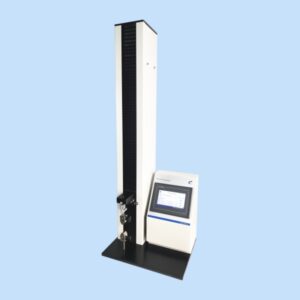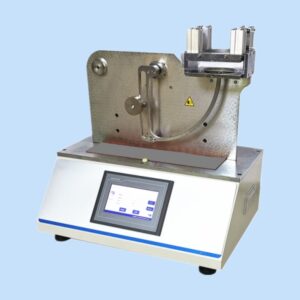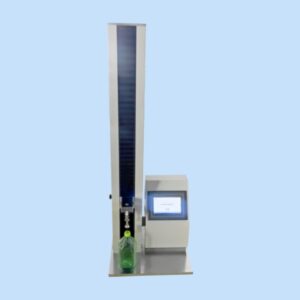
Applications: Packaging materials, medical device materials, pharmaceutical testing, adhesives, textiles, paper and cardboard containers, and more.
Customization: Available for special testing requirements and automation transformations
The Dart Impact Tester by Cell Instruments is an advanced piece of equipment designed to measure the impact resistance of plastic films. This instrument evaluates how well plastic films can withstand the force of a free-falling dart, making it essential for quality control in various industries. Our Dart Impact Tester stands out for its precision, durability, and ease of use, ensuring reliable and repeatable results.
I. Introduction of Dart Impact Tester
Key features
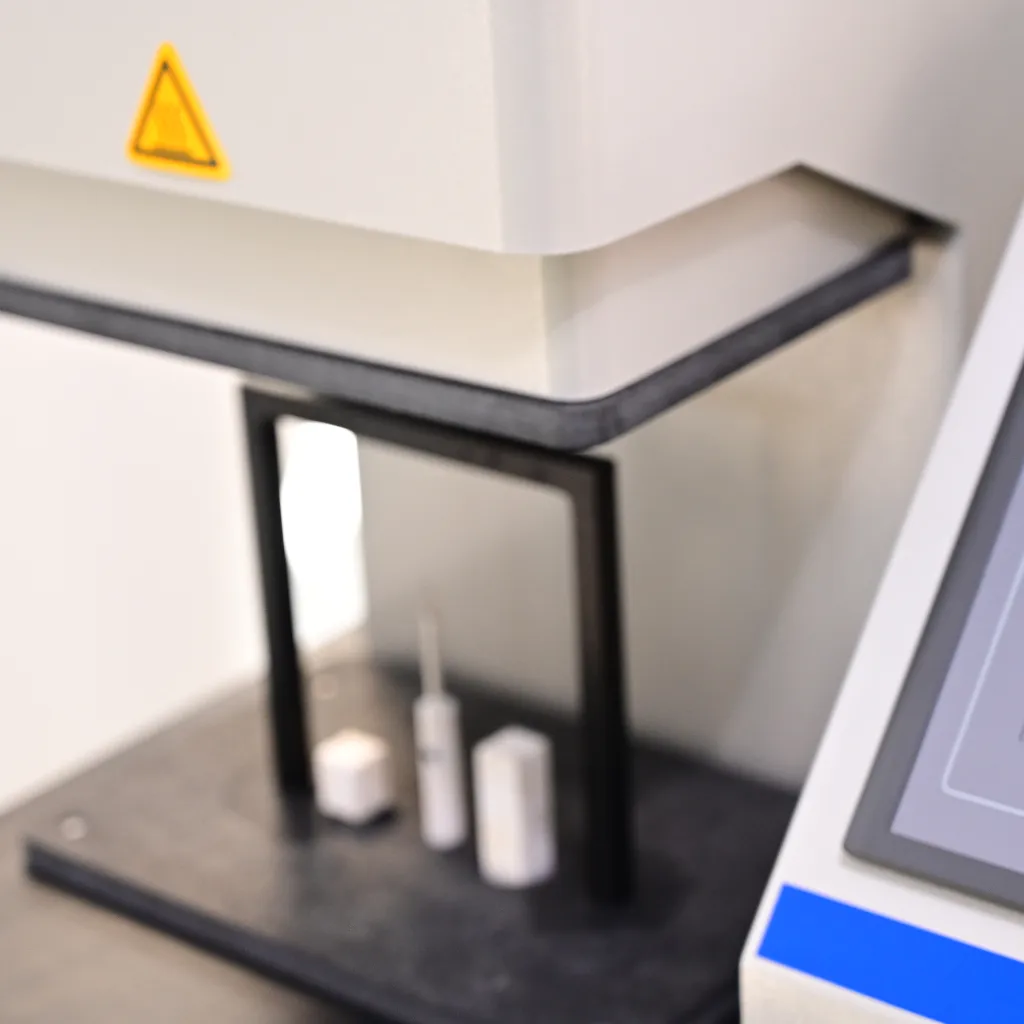
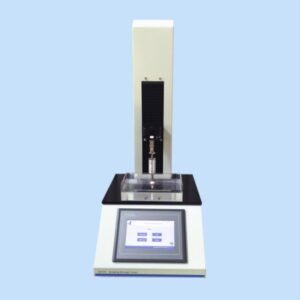
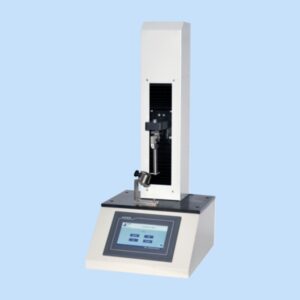
FDT-01 Falling Dart Impact Tester is a PLC controlled unit (industrial level stable) and HMI touch screen operated. Every part of the dart assembly and releasing mechanism are made strictly to standard.
By the embedded test program, user just needs to perform test and increase or reduce the weights according to the set parameters. Then after enough number of Fail/Non-Fail tests, the system automatically gives impact result, which is without being manually calculated again.
PLC Control and Touch Screen Operation offer stability, ease of use and efficient operation.
Two Test Methods (A and B) (Method B is optional)
Both Test Button and Foot Switch Are Equipped for safe and easy operation
Observation Light helps check sample status during clamping
Display of Test Results in Grams and Joules
Electromagnetic Suspension and Automatic Falling
Sample Pneumatic Clamping
Dot Matrix Micro-Printer Embedded for data output
Professional Software is Provided as an Optional part
Main Parameter
Test Method Method
A or Method B (optional)
Test Range
Method A: 50~2000g/
Method B: 300~2000g
Dart Diameter
Method A: 38±1mm
Method B: 50±1mm
Impact Height
660mm/1500mm
Accuracy
0.1g (0.1J)
Clamp
Pneumatic Clamp
Gas Supply
0.6 MPa Φ8 mm PU Tubing
Specimen Size
> 150 mm x 150 mm
Power Supply
AC 110~220V 50Hz
Dimension
Method A: 500*450*1200 mm (LWH)
Method B: 500*450*2200 mm (LWH)
Applications Across Different Industries
Packaging: Ensures the durability of packaging films to protect products.
Food Industry: Tests the integrity of packaging to maintain food safety.
Medical and Pharmaceutical: Verifies the robustness of packaging materials for medical devices and pharmaceuticals.
Operate Guide
II. Introduction of Dart Impact Testing
The Dart Impact Tester is a critical tool used to assess the impact resistance of plastic films. By simulating real-world conditions where the material might be subjected to sudden impacts, this tester helps manufacturers ensure that their products can withstand such stresses during transportation and handling.
Impact resistance is a key property for plastic films used in packaging, medical, and industrial applications. Without proper testing, materials may fail under stress, leading to product damage, safety hazards, and financial losses. Dart impact testing helps in validating material performance, ensuring product reliability and safety.
III. Test Methods for Dart Impact Testing
Explanation of the Dart Impact Test
The Dart Impact Test involves dropping a dart with a specified weight from a set height onto a film sample. The test measures the weight at which 50% of the samples fail, known as the impact failure weight. This method helps determine the toughness and durability of the film under impact conditions.
Importance of Testing Plastic Films
Plastic films are widely used in various applications where mechanical strength and durability are critical. Testing these materials ensures they meet required standards and can perform effectively in their intended use, providing manufacturers with essential data to improve product quality.
Overview of Testing Standards ASTM D1709 and ISO 7765-1
Both ASTM D1709 and ISO 7765-1 outline standardized methods for performing the dart impact test. These standards provide guidelines on sample preparation, testing procedures, and data interpretation, ensuring consistency and reliability in test results.
IV. ASTM D1709 Standard
Purpose and scope of ASTM D1709
ASTM D1709 specifies the standard test method for determining the impact resistance of plastic films by free-falling dart. This method is widely used to assess the toughness of films used in packaging and other applications.
Detailed Description of the Test Method
Apparatus: The test setup includes a dart, test frame, and a mechanism to release the dart from varying heights.
Sample Preparation: Film samples are cut to specified dimensions and conditioned at standard laboratory conditions.
Testing Procedure: The dart is dropped from a predetermined height onto the film sample, and the process is repeated with varying dart weights until 50% of the samples fail.
Calculation of Results: The impact failure weight is calculated based on the dart weight and the number of failures observed.
Interpretation of Results: Results indicate the film’s impact resistance, with higher weights signifying greater toughness.
V. ISO 7765-1 Standard
Purpose and scope of ISO 7765-1
ISO 7765-1 provides an international standard for measuring the impact resistance of plastic films. This standard ensures global consistency in testing methods and results, facilitating international trade and quality assurance.
Detailed Description of the Test Method
Apparatus: Similar to ASTM D1709, including the dart, test frame, and release mechanism.
Sample Preparation: Samples are prepared according to specified dimensions and conditioned as per standard conditions.
Testing Procedure: The dart is released from set heights onto the film, and the process is repeated with different weights to determine the failure point.
Calculation of Results: The impact failure weight is derived from the number of failures observed at different dart weights.
Interpretation of Results: Results are used to assess the film’s durability and suitability for its intended application.
VI. Comparison of ASTM D1709 and ISO 7765-1
Key Similarities and Differences
Both standards aim to measure the impact resistance of plastic films but may have slight differences in test setups, sample conditioning, and result interpretation. Understanding these nuances helps manufacturers choose the right standard based on geographic and industry-specific requirements.
Choosing the Right Standard for Your Needs
Selecting between ASTM D1709 and ISO 7765-1 depends on your target market and regulatory environment. For global markets, compliance with both standards ensures broader acceptance and reliability of test results.
VII. Customization Services
Cell Instruments offers various customization options to meet specific testing requirements. Whether you need adjustments in testing parameters, integration with existing systems, or enhanced data analysis capabilities, we provide tailored solutions to optimize your testing processes.
Benefits of Tailored Solutions for Specific Testing Requirements
Customized testing instruments enhance efficiency, accuracy, and relevance of results, ensuring that your specific needs are met. This approach leads to better product development, quality control, and compliance with industry standards.
VIII. Why Choose Cell Instruments?
Expertise in Materials Testing Instruments
Cell Instruments brings extensive experience in developing and manufacturing high-quality testing instruments. Our expertise ensures that our products meet the highest standards of performance and reliability.
Commitment to Quality and Innovation
We are dedicated to continuous improvement and innovation, ensuring that our instruments incorporate the latest technologies and meet evolving industry needs.
Customer Support and Service Excellence
Our customer support team is committed to providing exceptional service, from initial inquiries to after-sales support. We offer comprehensive training, maintenance, and troubleshooting services to ensure the optimal performance of your testing instruments.