
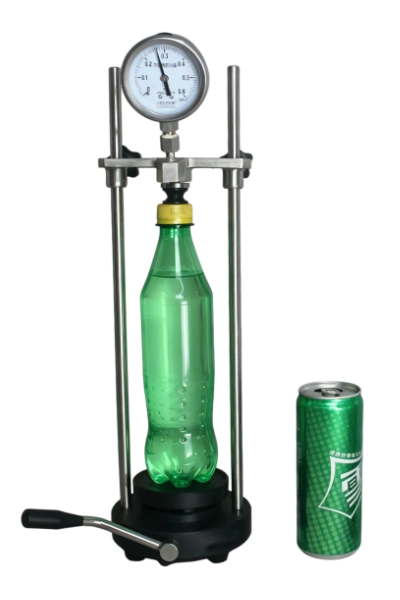
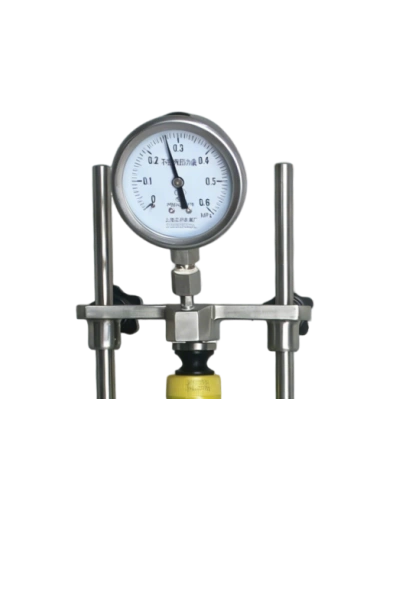
Introduction to Carbon Dioxide Volume Tester
De carbon dioxide volume tester is a professional instrument designed to measure dissolved CO₂ content in bottled and canned beverages through pressure and temperature analysis. In beverage production and quality control, accurate carbonation measurement is essential for maintaining product consistency, taste characteristics, shelf stability, and consumer acceptance. The CLRT-03 Carbonation Tester Manual provides a reliable solution for carbonation testing in beverages, enabling laboratories, breweries, and beverage manufacturers to determine CO₂ levels quickly and efficiently.
Carbonation directly affects the sensory properties of beer, soft drinks, sparkling water, and other carbonated beverages. Excessive or insufficient carbonation can influence flavor release, mouthfeel, packaging performance, and product quality. By combining precise pressure measurement with temperature detection, this carbon dioxide volume tester helps users evaluate carbonation levels according to established testing methods such as ASBC beer-13 and other beverage analysis procedures.
What Is a Carbon Dioxide Volume Tester?
A carbon dioxide volume tester is a laboratory testing device used to determine the amount of dissolved carbon dioxide in carbonated beverages. Unlike direct chemical analysis methods, this testing approach uses the relationship between internal container pressure, beverage temperature, and CO₂ solubility characteristics.
When a sealed beverage container is punctured, the dissolved carbon dioxide gradually reaches equilibrium with the gas phase inside the container. The tester measures the internal pressure and sample temperature, and the CO₂ volume can then be calculated using carbonation tables or standard conversion methods.
The CLRT-03 carbonation tester is designed for practical quality control applications, offering:
- Accurate pressure measurement through a precision pressure gauge
- Temperature measurement using a high-accuracy bimetal thermometer
- Compatibility with bottles and cans of different sizes
- Simple mechanical operation without complex maintenance requirements
This makes it suitable as a soda carbonation tester for beverage factories, breweries, research laboratories, and quality inspection organizations.
Why Is Carbonation Testing Important in Beverages?
Carbon dioxide is a critical component in many beverage products. It contributes to carbonation sensation, freshness perception, foam formation, and product identity. However, CO₂ concentration must remain within controlled limits to ensure consistent quality.
Professional carbonated beverage testing helps manufacturers:
Maintain Product Consistency
Beverage brands must deliver the same carbonation experience across different production batches. Regular CO₂ measurement helps detect variations caused by:
- Filling conditions
- Temperature fluctuations
- Carbonation process changes
- Storage conditions
- Packaging performance
A reliable carbon dioxide measurement method allows quality engineers to compare production results and maintain product specifications.
Optimize Beverage Quality
Different beverages require different carbonation levels. For example:
| Beverage Type | Carbonation Control Purpose |
|---|---|
| Beer | Maintain foam stability and drinking experience |
| Soft drinks | Ensure refreshing taste and consumer expectations |
| Sparkling water | Control carbonation intensity |
| Energy drinks | Verify production consistency |
By monitoring dissolved CO₂ content, manufacturers can adjust carbonation processes and improve product quality.
Support Packaging Quality Control
Carbonation creates internal pressure inside bottles and cans. Incorrect carbonation levels may increase risks related to:
- Container deformation
- Excessive pressure during storage
- Poor opening performance
- Reduced consumer satisfaction
Therefore, carbonation measurement is also an important part of beverage packaging evaluation.
Testing Principle of the Carbon Dioxide Volume Tester
The working principle of the CLRT-03 is based on the relationship between pressure, temperature, and dissolved CO₂ concentration.
Carbonated beverages contain dissolved carbon dioxide under pressure. When the container remains sealed, CO₂ stays dissolved according to equilibrium conditions. During testing, the container is punctured, allowing measurement of the internal pressure.
The testing principle includes three key parameters:
1. Pressure Measurement
The tester pierces the beverage container and measures the internal pressure after stabilization. The precision pressure gauge provides reliable pressure readings within the specified measurement range.
2. Temperature Measurement
Because CO₂ solubility changes with temperature, accurate temperature measurement is essential. The integrated thermometer measures beverage temperature during testing.
3. CO₂ Volume Determination
After obtaining pressure and temperature values, operators determine the dissolved carbon dioxide content using:
- Standard carbonation tables
- Beverage industry calculation methods
- Applicable testing standards
This approach provides repeatable results without requiring complicated analytical equipment.
How to Perform Carbonation Testing in Beverages?
The CLRT-03 Carbonation Tester Manual follows a straightforward testing workflow suitable for routine laboratory inspection.
Step 1: Prepare the Beverage Sample
Select a representative bottle or can sample from production or storage. Ensure the container is intact and has not lost pressure before testing.
Step 2: Secure the Sample Container
Place the beverage container into the tester fixture and ensure stable positioning before piercing.
Step 3: Pierce the Container
Use the integrated piercing assembly to penetrate the bottle or can. The tester creates a connection between the beverage container and the pressure measurement system.
Step 4: Wait for Pressure Stabilization
Allow the internal pressure to reach equilibrium. Stable pressure ensures accurate measurement results.
Step 5: Record Pressure and Temperature
Read:
- Internal pressure from the precision gauge
- Beverage temperature from the built-in thermometer
Step 6: Calculate CO₂ Content
Use carbonation tables or calculation methods to convert pressure and temperature data into CO₂ volume results.
This testing process allows operators to complete beverage carbonation evaluation quickly with minimal training.
CLRT-03 Carbonation Tester Technical Features
1. High Accuracy Pressure and Temperature Measurement
The accuracy of carbonation measurement depends heavily on pressure and temperature detection. The CLRT-03 integrates:
- Precision pressure gauge for stable readings
- High-resolution temperature measurement
- Reliable mechanical structure for repeatable testing
These features support consistent quality inspection in beverage laboratories.
2. Wide Compatibility with Beverage Containers
The instrument supports various beverage packaging formats, including:
- Glass bottles
- PET bottles
- Aluminum cans
The flexible sample compatibility makes it suitable for different beverage production environments.
3. Simple Operation and Low Maintenance
Compared with complex analytical instruments, the CLRT-03 provides an efficient manual testing solution:
- Easy puncture-and-read operation
- Short testing time
- No complicated software operation
- Low maintenance requirements
This design makes it practical for production quality control laboratories.
Applications of Carbon Dioxide Volume Tester in Beverage Industries
Een betrouwbare carbon dioxide volume tester plays an important role in beverage manufacturing, product development, and quality assurance. From breweries to soft drink producers, accurate carbonation measurement helps companies control product performance and comply with customer expectations.
Beer Carbonation Testing
Beer carbonation directly affects foam formation, aroma release, and drinking sensation. Breweries use carbonation testing equipment to verify dissolved CO₂ levels during production and packaging processes.
The CLRT-03 supports testing methods related to ASBC Beer-13, which provides a recognized approach for determining carbon dioxide content in beer. By measuring pressure and temperature, operators can evaluate whether carbonation levels meet product specifications.
Typische toepassingen zijn onder andere:
- Quality inspection of finished beer products
- Comparison between production batches
- Verification after filling and packaging
- Research and development of new beer formulations
Maintaining proper carbonation helps breweries achieve consistent flavor profiles and stable product quality.
Soft Drink and Soda Carbonation Testing
For carbonated soft drinks, carbonation level is one of the most important quality characteristics. A professional soda carbonation tester allows manufacturers to monitor CO₂ content throughout production.
Carbonated beverage producers commonly test:
- Cola beverages
- Carbonated fruit drinks
- Sparkling beverages
- Flavored soda products
- Functional carbonated drinks
During production, carbonation testing helps identify process variations caused by:
- Carbonation equipment settings
- Filling temperature changes
- Storage conditions
- Packaging differences
Regular measurement ensures beverages maintain the expected carbonation experience from the factory to the consumer.
Beverage Research and Development
In R&D laboratories, carbonation measurement supports product optimization. Engineers can evaluate how formulation changes influence CO₂ retention and carbonation stability.
Applications include:
- Developing new beverage formulas
- Comparing carbonation performance of different packaging materials
- Evaluating storage stability
- Optimizing filling processes
A manual carbonation tester provides a practical testing solution for laboratories that need accurate data without investing in complex analytical systems.
Technical Specifications of CLRT-03 Carbonation Tester
The CLRT-03 is designed for accurate and repeatable carbonation measurement in beverage quality control applications.
| Parameter | Specificatie |
|---|---|
| Test Item | Carbon Dioxide (CO₂) Content |
| CO₂ Measurement Range | 0 – 4.00 % v/v |
| Pressure Measurement Range | 0 – 0.6 MPa |
| Pressure Resolution | 0.01 MPa |
| Temperature Measurement Range | 0 – 50°C |
| Temperature Resolution | 0.1°C |
| Maximum Bottle Height | ≤330 mm / ≤410 mm (depending on model) |
| Sample Compatibility | Bottles and cans |
These specifications allow the instrument to meet routine testing requirements in beverage production and laboratory environments.
Related Standards for Beverage Carbonation Testing
Professional beverage laboratories often follow industry-recognized methods to ensure reliable and comparable results. The CLRT-03 supports carbonation measurement methods associated with the following standards and guidelines:
| Standaard | Application Area |
|---|---|
| ASBC Beer-13 | Beer CO₂ measurement |
| GB/T 4928-2001 | Beer quality analysis |
| GB/T 10792-1995 | Carbonated soft drink testing |
This standard describes quality requirements and analytical methods related to carbonated beverage products. Following recognized testing methods allows manufacturers to improve data reliability and support quality management systems.
Choosing the Right Carbonation Testing Equipment
When selecting a carbonation testing instrument, laboratories should consider several important factors:
1. Measurement Accuracy
Accurate pressure and temperature measurement directly affects CO₂ calculation results. Instruments should provide stable readings and suitable resolution for quality control applications.
2. Sample Compatibility
Different beverage manufacturers use different packaging formats. A suitable tester should accommodate:
- Glass bottles
- PET containers
- Metal cans
The CLRT-03 provides flexible testing capability for various beverage containers.
3. Testing Efficiency
For routine quality inspection, operators need equipment that delivers fast and repeatable results. Manual carbonation testers are suitable for laboratories requiring:
- Eenvoudige bediening
- Low maintenance
- Reliable measurement
- Cost-effective testing
4. Compliance Requirements
Laboratories should select equipment compatible with relevant industry methods, including ASBC and beverage analysis standards.
Benefits of A Carbon Dioxide Volume Tester
Implementing a professional carbon dioxide volume tester provides several advantages for beverage manufacturers.
1. Improved Production Control
Regular CO₂ measurement allows quality teams to monitor carbonation consistency and quickly identify production deviations.
2. Reduced Product Variation
By collecting accurate carbonation data, manufacturers can maintain uniform product characteristics across multiple production batches.
3. Better Packaging Evaluation
Carbonation testing provides valuable information about the interaction between beverage formulation and packaging performance.
4. Increased Customer Satisfaction
Consistent carbonation contributes to better taste, appearance, and overall consumer experience.
Summary
The CLRT-03 Carbonation Tester Manual provides a practical solution for laboratories requiring dependable carbonated beverage testing equipment. Through precise pressure measurement, accurate temperature monitoring, and a simple testing workflow, it enables efficient evaluation of CO₂ content in beer, soda, and other carbonated beverages.
For beverage manufacturers, breweries, and quality inspection laboratories, selecting the right carbon dioxide volume tester helps improve process control, maintain product consistency, and support compliance with recognized testing methods. Cell Instruments provides professional beverage testing solutions, including standard instruments, customized fixtures, and application-specific testing systems to meet different laboratory and production requirements.
 NL
NL  EN
EN  ES
ES  DE
DE  FR
FR  IT
IT  AR
AR  KO
KO  JA
JA  RU
RU  PT
PT  VI
VI  ID
ID  BG
BG  CS
CS  DA
DA  EL
EL  ET
ET  FI
FI  HE
HE  HU
HU  LT
LT  LV
LV  PL
PL  RO
RO  SK
SK  SV
SV  SL
SL  UK
UK  TR
TR  BE
BE  BS
BS  HI
HI  HR
HR  KK
KK  ML
ML  MY
MY  NN
NN  SR
SR  TA
TA  UZ
UZ  SQ
SQ  TH
TH